

Get A Sneak Peek at my book “Your To-Die-For Life”!
Get a FREE sneak peek! Learn how to use Mortality Awareness as a wake up call to live more boldly.


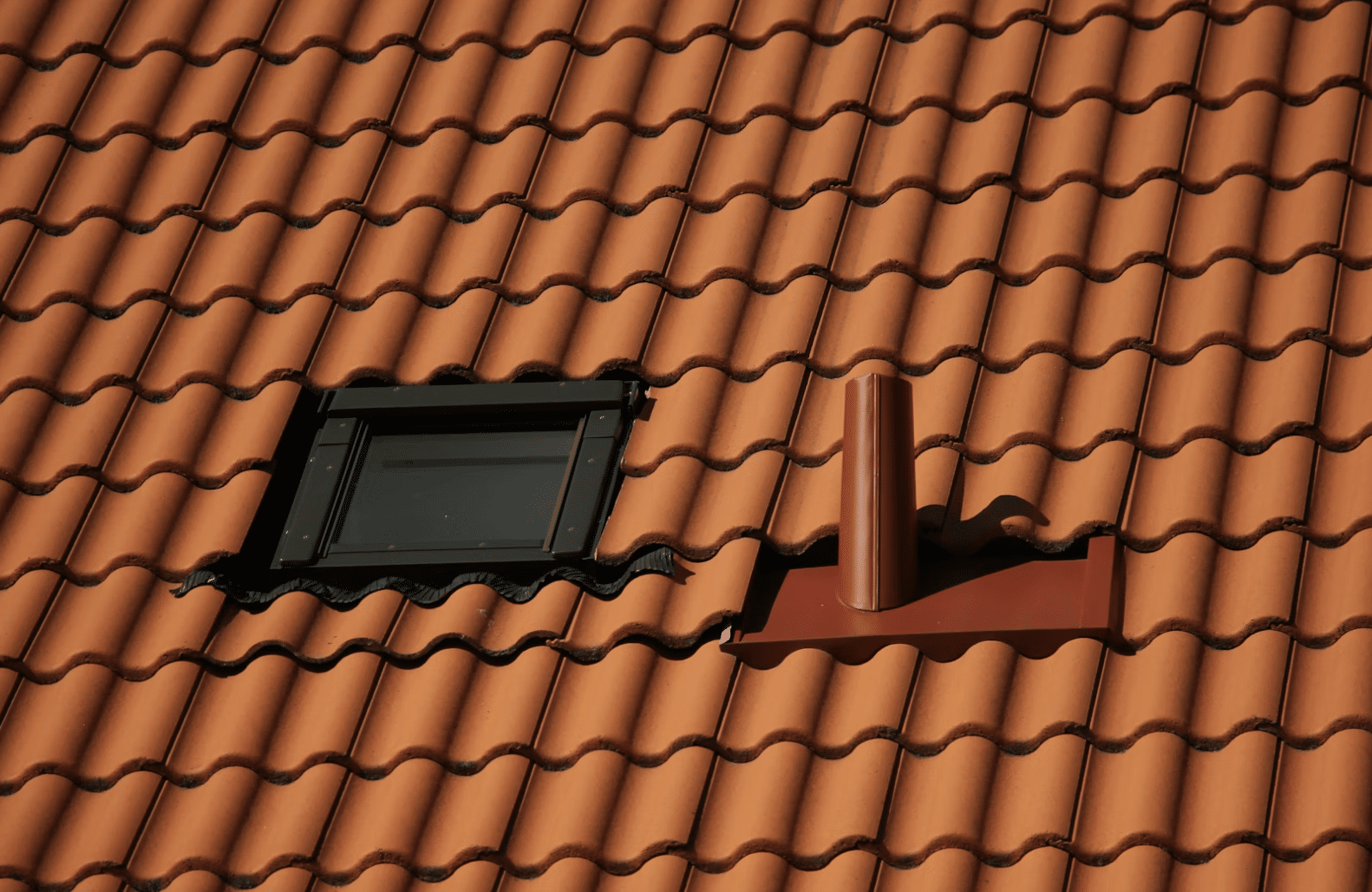 Your home’s exterior is the first thing anyone notices, and it takes a beating every single season. Whether it is the scorching summers or the brutal winters, the outside of your home is constantly exposed to conditions that wear it down over time.
The problem is that most homeowners do not notice the warning signs of their home’s exterior issues until the damage has gone far enough to become a serious problem.
Of all the parts of your home’s exterior, the roof takes the hardest hit. It faces rain, wind, hail, snow, and UV exposure year after year, and eventually, it starts to show. Missing shingles are one of the most obvious red flags. If you look up and notice patches where shingles have slipped or blown off entirely, that is a problem that needs to be addressed without delay. Curling shingles are another sign, and they tend to show up either at the edges or in the middle of the shingle itself. Both types indicate that the material has aged past its useful life and is no longer doing its job properly.
Granule loss is a subtler sign, but just as important. If you notice a sandy, gritty buildup in your gutters or at the base of your downspouts, those are granules coming off your shingles. Once a shingle starts shedding its granules, it loses its ability to protect your home from moisture. Dark streaking or moss growth on the roof surface also points to moisture retention, which can lead to rot and structural issues if left unchecked. If any of these signs sound familiar, it is worth looking into a professional assessment. If you’re a homeowner dealing with roofing concerns, get in touch with professionals by visiting https://www.xl-contracting.com/.
Your siding is more than just a cosmetic layer. It acts as a barrier between your home’s interior and the elements outside. When it starts to fail, the consequences go well beyond appearance. Warping and buckling are two of the most telling signs that your siding has been compromised. These distortions often happen when moisture gets behind the panels, causing them to expand and pull away from the wall.
Cracking is another sign to watch for. Small cracks can allow water to seep in and cause damage to the underlying structure without you even realizing it. Fading is a bit more gradual, but extreme or uneven fading suggests the protective coating on your siding has worn away, leaving the material more vulnerable to weather damage. If you notice soft spots when you press on sections of your siding, that is a strong indicator of rot, which means moisture has already made its way in.
Gutters are easy to overlook because they are not exactly the first thing you see when you pull up to your house. But when they stop working correctly, the effects can be significant. Gutters that are pulling away from the fascia, sagging in the middle, or visibly bent are no longer directing water away from your home the way they should be.
Overflowing gutters during rain are a sign of a blockage, but they can also indicate that the gutters themselves are too small or improperly sloped. Water that is not channeled away properly can pool around your foundation, seep into your basement, and even damage the landscaping around your home. Look for water stains on the siding just below the gutters, as these are a clear sign that water is spilling over where it should not be. Rust spots or holes in the gutter channels also mean that water is dripping straight through rather than being carried to the downspouts.
Windows are a key part of your home’s exterior, and when they start to go, you will notice it both inside and outside. Peeling or chipping paint around window frames is a cosmetic issue on the surface, but it usually signals that moisture has gotten into the wood and begun to cause damage underneath. Soft or spongy frames are a more serious version of the same problem and often mean that rot has set in.
Fogging between double or triple-pane windows means the seal has failed, which affects both energy efficiency and visibility. Drafts near closed windows, especially during windy weather, are also a sign that the frame has shifted or the weatherstripping has worn out. When windows no longer open and close smoothly or when the locks do not engage properly, that is not just an inconvenience; it is a security and insulation issue as well.
The paint on your home’s exterior does more than make it look nice. It acts as a protective layer against moisture, UV rays, and temperature changes. When it starts to fail, your home becomes more vulnerable. Peeling paint is the most visible sign, but bubbling and blistering paint are also serious red flags. These issues usually mean moisture is trapped beneath the surface and pushing its way out.
Chalking, which is when the paint surface leaves a powdery residue on your hand when you touch it, is a sign that the paint has broken down and is no longer protecting the surface. Staining from mildew or algae growth on painted surfaces should also not be ignored, as it tends to worsen quickly if moisture is present. Even if your paint looks mostly intact, uneven or patchy areas where the color has noticeably faded suggest that re-coating is overdue.
In Jacksonville, Florida, the combination of intense sun, high humidity, and coastal salt air accelerates paint deterioration faster than in most other parts of the country, meaning homes here often need repainting on a shorter cycle than the national average suggests. What looks like a surface-level cosmetic issue can quickly become a moisture and rot problem once the protective barrier breaks down, making timely repainting as much of a structural decision as an aesthetic one. Bright Side Expert Jacksonville Painters understand the specific demands of Florida’s coastal climate and use the right primers, paints, and application techniques to ensure new coatings bond properly, resist humidity, and provide lasting protection against the elements.
Your home’s exterior is always communicating with you. The signs are there if you know what to look for, from a roof that is shedding its protective layer to windows that no longer keep the cold out. Taking these signals seriously and acting on them promptly is what keeps small issues from turning into expensive, time-consuming repairs. A home that is well-maintained on the outside holds its value better, performs better, and simply looks better, and that is something worth protecting.
P.S. Before you zip off to your next Internet pit stop, check out these 2 game changers below - that could dramatically upscale your life.
1. Check Out My Book On Enjoying A Well-Lived Life: It’s called "Your To Die For Life: How to Maximize Joy and Minimize Regret Before Your Time Runs Out." Think of it as your life’s manual to cranking up the volume on joy, meaning, and connection. Learn more here.
2. Life Review Therapy - What if you could get a clear picture of where you are versus where you want to be, and find out exactly why you’re not there yet? That’s what Life Review Therapy is all about.. If you’re serious about transforming your life, let’s talk. Learn more HERE.
Think about subscribing for free weekly tools here.
No SPAM, ever! Read the Privacy Policy for more information.
