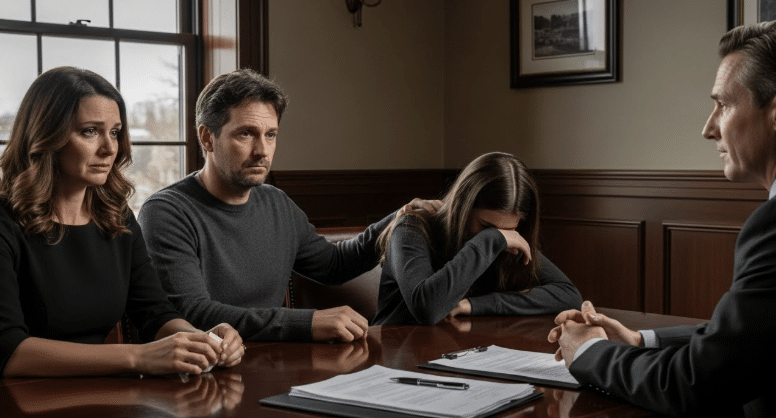
 Losing someone you love is one of the hardest things a person can face. When the circumstances suggest the death might have been prevented, that pain carries an added weight that’s difficult to put into words. Families are left not only mourning someone they cherished but also wrestling with questions, frustration, and a sense that something went terribly wrong.
The days that follow can feel overwhelming. But no one has to navigate them alone.
The Emotional Impact of a Preventable Death
Sudden, unexpected loss disrupts everything. There is no time to prepare, no chance to say goodbye, and often no clear explanation in the immediate aftermath. Families are thrust into grief before they’ve even absorbed the news.
In 2023 alone, almost 223,000 deaths occurred in the United States due to preventable injuries, according to the National Safety Council. Behind each of those numbers is a family left to pick up the pieces, and many of them share the same emotional experience: a mix of sadness, anger, disbelief, and confusion that follows no predictable pattern.
Some people cry immediately, others go quiet. Some feel a surge of anger before the sadness settles in, while others feel almost nothing at first and wonder if something is wrong with them. None of these responses are wrong. Grief is not a checklist to work through. It shifts, circles back, and shows up in unexpected moments, sometimes months or even years later.
Family members grieving the same person may process the loss in very different ways. One sibling may want to talk about the deceased constantly, while another avoids the subject entirely. One parent may throw themselves into practical tasks, while another struggles to get out of bed.
These differences can create tension within families who are already stretched thin, and recognizing that there is no single correct way to grieve is one of the most important things a family can understand early on. No fixed timeline exists for adjusting to this kind of loss.
Why Finding Answers Can Matter After a Tragic Loss
When a death happens suddenly or under circumstances that raise questions, the need to understand what happened is completely natural. Families often describe a deep discomfort with uncertainty, a feeling that they cannot begin to move forward until they know more about what occurred.
Accurate information from appropriate sources matters here. Depending on the circumstances, that might mean reviewing official reports, speaking with medical professionals, or waiting for the results of an investigation. These processes take time. Families do not need to resolve every question before they are allowed to grieve, and seeking answers while grieving is hard, but the two are not mutually exclusive.
Reaching out to professionals who specialize in specific aspects of a loss, whether medical, investigative, or legal, can reduce the burden of uncertainty without requiring families to become experts themselves.
Understanding Legal Options After a Preventable Death
When a death results from another party’s negligent or wrongful act, the law in many states allows surviving family members to pursue a civil claim.
What a Wrongful Death Claim Involves
This type of claim is separate from any criminal proceedings and focuses on accountability and financial relief for the losses the family has suffered. Those losses can include funeral costs, lost income, and the loss of companionship and support the deceased provided.
When to Speak With a Legal Professional
When a family suspects that negligence contributed to a loved one’s death, speaking with a wrongful death lawyer can help clarify the circumstances, explain potential legal options, and identify the steps available under the law.
What Legal Advice Actually Means
Seeking legal advice does not commit a family to pursuing a claim. A consultation is a conversation. It gives families a clearer picture of their situation so they can make informed decisions, on their own timeline, about what they want to do next. Some families find that understanding their options brings a measure of clarity during an otherwise chaotic time.
Supporting Family Members Through Grief
The most consistent thing research shows about grief is that connection helps. Trusted friends, relatives, and community members who show up consistently, not just in the first week but in the months that follow, make a real difference.
Grief counseling and support groups offer something that informal support sometimes cannot: a structured, judgment-free space to work through difficult feelings. A counselor who specializes in bereavement can help individuals process complicated emotions, including guilt and anger, without feeling like a burden to the people around them. Support groups connect people with others who have experienced similar losses, which can reduce the isolation that grief so often brings.
Practical support matters just as much as emotional presence. Some of the most helpful things people can do for a grieving family include:
- Preparing meals and handling grocery runs without being asked
- Helping with appointments, school pickups, or other daily responsibilities
- Assisting with paperwork, phone calls, or tasks that feel impossible to manage alone
- Checking in regularly over weeks and months, not just immediately after the loss
One thing to avoid is pressuring someone to “move on” or suggesting they should be feeling better by a certain point. Grief does not operate on a schedule, and comments that imply otherwise, however well-intentioned, can make a person feel misunderstood or ashamed of their own pain.
Knowing When to Seek More Support
People confronted with the traumatic loss of a loved one, such as a sudden, violent, or unnatural death, are at greater risk of developing mental disorders, including prolonged grief disorder, PTSD, and depression than those who experience non-traumatic bereavement. This does not mean that everyone who loses someone under difficult circumstances will develop a serious condition, but paying attention to how grief is affecting daily life is genuinely important.
If grief is making it hard to sleep, eat, work, or care for children over an extended period, that is a signal worth taking seriously. Reaching out to a mental health professional is not a sign of weakness. It’s a practical response to a real and recognized health risk.
Certain dates, places, and sensory details can bring grief rushing back even after a long period of relative stability. Anniversaries, the deceased’s birthday, or a song they loved can all trigger intense emotions without warning. This is a normal part of living with loss, not evidence that something has gone wrong with the healing process.
Looking Ahead, One Step at a Time
Healing does not mean forgetting the person who died or making peace with every unanswered question. It means finding a way to carry the loss while still living. Sharing stories, preserving photographs, continuing traditions the person loved, and speaking their name openly are all ways to keep their memory present without being consumed by grief.
Families facing this kind of loss deserve compassion, time, and access to reliable information. The emotional, practical, and legal challenges that follow a preventable death are real. No one should be expected to handle them alone or all at once. Support is available, and taking one step at a time, even a small one, is enough.
P.S. Before you zip off to your next Internet pit stop, check out these 2 game changers below - that could dramatically upscale your life.
1. Check Out My Book On Enjoying A Well-Lived Life: It’s called "Your To Die For Life: How to Maximize Joy and Minimize Regret Before Your Time Runs Out." Think of it as your life’s manual to cranking up the volume on joy, meaning, and connection. Learn more here.
2. Life Review Therapy - What if you could get a clear picture of where you are versus where you want to be, and find out exactly why you’re not there yet? That’s what Life Review Therapy is all about.. If you’re serious about transforming your life, let’s talk. Learn more HERE.
Think happier. Think calmer.
Think about subscribing for free weekly tools here.
No SPAM, ever! Read the Privacy Policy for more information.
One last step!
Please go to your inbox and click the confirmation link we just emailed you so you can start to get your free weekly NotSalmon Happiness Tools! Plus, you’ll immediately receive a chunklette of Karen’s bestselling Bounce Back Book!