Between work, raising children and helping an aging loved one, finding time for yourself often falls to the bottom of the list. Appointments need booking, groceries need picking up, and there’s always something else to take care of. According to the Canadian Centre for Caregiving Excellence’s Caring in Canada 2026 report, the unpaid care Families provide is valued at approximately $97 billion a year. Yet for most people, caregiving is simply part of looking after someone they love. Over time, those responsibilities can affect your health, career, and time with your Family. Here’s how to share some of that responsibility while continuing to be there for your loved one.
Name the Role: Caregiving, and Plan for It
Driving to appointments, sorting out medications and making sure the fridge is stocked all count as caregiving, even when it feels like you’re just helping out. Once you see it that way, it becomes easier to plan around, the same way you plan around work or school pickups. Start by writing down what you do in a typical week and roughly how long each task takes. Having that list in front of you makes it much easier to see which tasks you’d like to keep and which ones someone else could take on.
The first shift is admitting that what you are doing is real work with real weight. In Statistics Canada’s data, 56% of unpaid Caregivers reported feeling tired because of their caregiving responsibilities, and 44% felt worried or anxious over the year. Those numbers describe devoted people, not failing ones. Once you name the role, you can set hours for it, share it, and rest from it, the same way you would any other serious responsibility.
Set a Weekly Visit Schedule
Once you know what your week looks like, choose regular times for your visits and put them on the calendar. A Tuesday dinner or a Saturday morning coffee gives your mom or dad something to look forward to, and it gives you a routine you can keep up. The rest of the week is then free for work, your kids, and a little time for yourself. If brothers or sisters are helping too, a shared calendar makes it easy for everyone to see who’s covering which day.
Check In on Your Own Health
When you’re busy looking after everyone else, it’s easy to miss the signs that you need a break. Maybe you’re shorter with people than usual, you’re not sleeping well, or you keep cancelling plans with friends. The Canadian Institute for Health Information tracks caregiver distress as one of its health indicators, which shows how common these feelings are. If any of this sounds familiar, it’s a good time to share more of the load. Your family doctor is a good place to start, and the Ontario Caregiver Organization runs a free helpline at 1-833-416-2273 that’s answered 24 hours a day.
Spend More Time Together, Less Time Managing Care
Some parts of caregiving only you can do, like being at the table for Sunday dinner or keeping your dad company on a quiet afternoon. Other tasks, like laundry, meals, bathing and rides to appointments, can be handed to someone trained to help. Families supporting aging parents in Ottawa often start with a few hours of in-home help each week, ideally with the same Caregiver each visit so your loved one gets to know them. When you’re comparing providers, it’s worth asking whether a nurse oversees the care plan and who you can call if something changes overnight. Every task you hand off gives you back time for a coffee, a walk, or a good long chat with your loved one.
Alt text: Caring in Canada 2026 figures: unpaid care in Canada is valued at about $97 billion a year, 77% of caregivers say it has affected their well-being, and 49% have felt financial strain
Know the Supports Available to Working Caregivers
If you’re working while caring for a loved one, there are a few government programmes worth knowing about. Employment Insurance caregiving benefits can pay you for up to 15 weeks while you care for an adult family member who is critically ill or injured, or up to 26 weeks if they need end-of-life care. You’ll need a medical certificate from a doctor or nurse practitioner to apply. The Canada Caregiver Credit may also lower the tax you owe if you support a family member with a physical or mental impairment. And if your loved one is coming home from hospital, ask the hospital team about a referral to Ontario Health atHome, which checks whether they qualify for publicly funded home care.
Build Your Own Support Bench
Friends and family often want to help but aren’t sure how. Let one good friend know how things are really going, say yes when a sibling offers to take a weekend, and think about joining a caregiver group or webinar. Talking with people who understand makes the busier weeks easier, and you won’t be carrying every worry on your own.
Caring for Yourself While You Care for Them
Caring for an aging loved one can go on for years, and the way you look after yourself shapes how you’re able to be there for them. Keeping your own appointments, getting outside for some fresh air, and saying yes to a night out with friends make a big difference. When the weekly tasks are shared, and you know where to turn for support, you can spend your time together enjoying each other’s company instead of rushing through a to-do list.
P.S. Before you zip off to your next Internet pit stop, check out these 2 game changers below - that could dramatically upscale your life.
1. Check Out My Book On Enjoying A Well-Lived Life: It’s called "Your To Die For Life: How to Maximize Joy and Minimize Regret Before Your Time Runs Out." Think of it as your life’s manual to cranking up the volume on joy, meaning, and connection. Learn more here.
2. Life Review Therapy - What if you could get a clear picture of where you are versus where you want to be, and find out exactly why you’re not there yet? That’s what Life Review Therapy is all about.. If you’re serious about transforming your life, let’s talk. Learn more HERE.
Think happier. Think calmer.
Think about subscribing for free weekly tools here.
No SPAM, ever! Read the Privacy Policy for more information.
50% Complete
One last step!
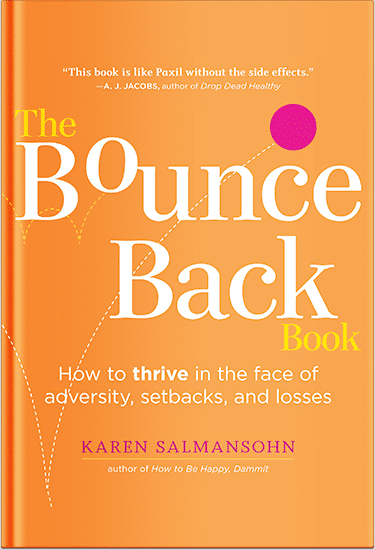
Please go to your inbox and click the confirmation link we just emailed you so you can start to get your free weekly NotSalmon Happiness Tools! Plus, you’ll immediately receive a chunklette of Karen’s bestselling Bounce Back Book!