

Get A Sneak Peek at my book “Your To-Die-For Life”!
Get a FREE sneak peek! Learn how to use Mortality Awareness as a wake up call to live more boldly.


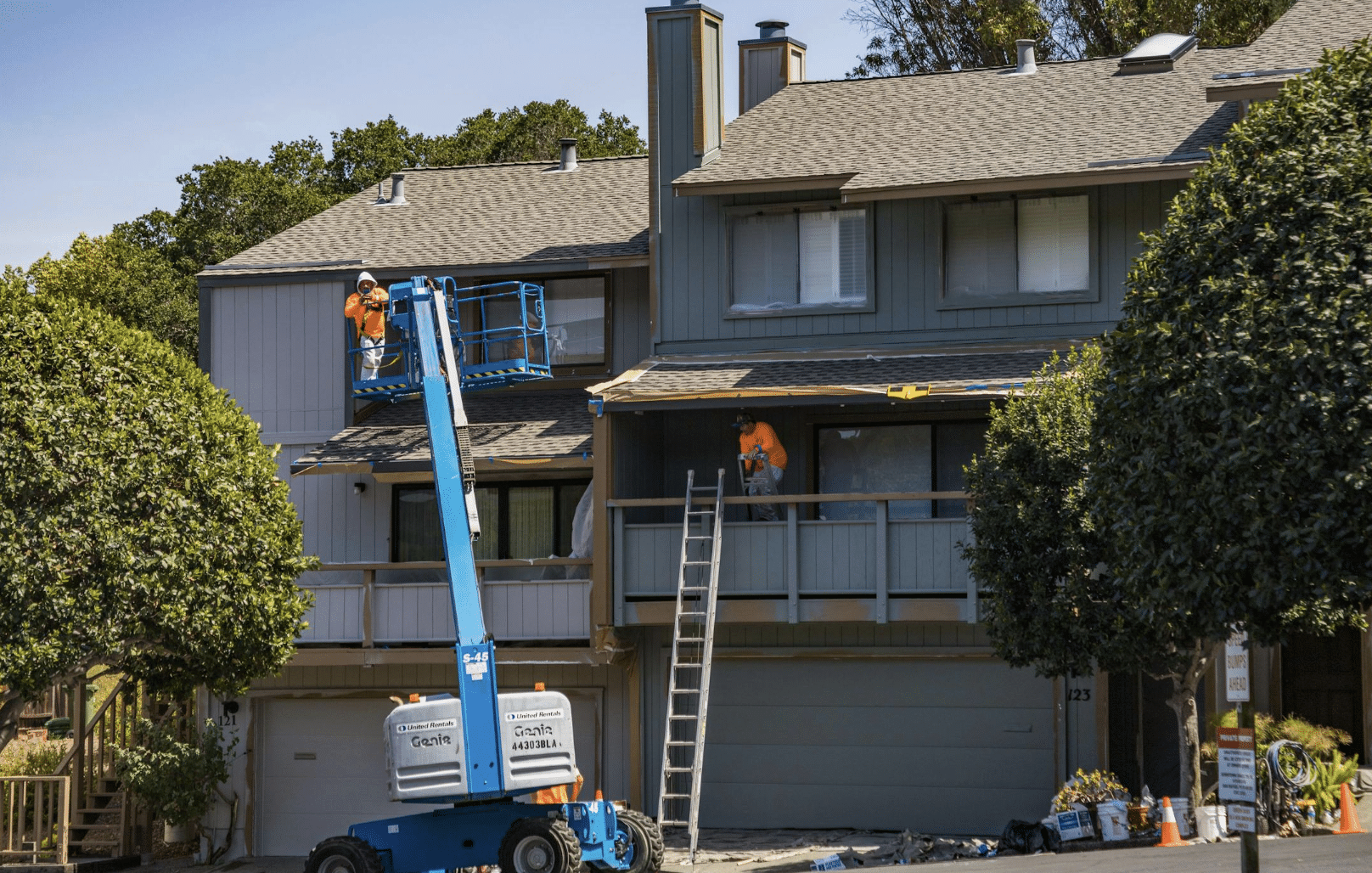 If you live in a place like Boulder, you already know how much your home goes through in a year. Strong sun, sudden temperature drops, snow in the winter, and the occasional storm. It all adds up. Over time, your home’s exterior quietly takes the hit, especially your siding.
At first, you might notice small things. Maybe the color looks faded. Maybe there’s a crack you hadn’t seen before. These signs are easy to ignore, especially when everything else seems fine.
But siding does more than make your home look nice. It protects against moisture, helps with insulation, and keeps your home structurally sound. When it starts to wear down, the effects can go beyond appearance.
Cracks, warping, or panels that seem loose are often the most obvious signs. Fading color or peeling paint can also point to aging siding that’s no longer holding up against the elements.
Then there are the less obvious signs. If your energy bills are creeping up for no clear reason, your siding could be part of the problem. Poor insulation allows heat to escape in winter and lets it in during summer, making your home less efficient. You might also feel drafts or notice that certain rooms are harder to keep comfortable.
Moisture is another warning sign. If you see mold, mildew, or water stains on your siding, it could mean water is getting in where it shouldn’t. Over time, this can lead to more serious structural damage.
When these issues start adding up, it’s usually a good idea to have your home evaluated. If you’re noticing these signs and want a clear idea of what to do next, working with a professional Boulder siding company can help you understand the condition of your siding and explore practical replacement options that fit your home and local climate.
The sooner you address these problems, the easier it is to avoid more expensive repairs later.
It’s easy to think of siding as just an exterior feature, but it plays a bigger role than most people realize.
First, it acts as a protective layer. It keeps moisture out, prevents pests from getting in, and shields your home from weather damage. When siding starts to fail, your home becomes more vulnerable to these issues.
It also affects your home’s energy efficiency. Good siding helps maintain indoor temperatures, which means your heating and cooling systems don’t have to work as hard. This can lead to noticeable savings over time.
And of course, there’s the visual side. New siding can completely change how your home looks. It can make an older home feel updated and well cared for.
All of these benefits make siding replacement more than just a cosmetic upgrade—it’s a practical investment in your home.
If you’re thinking about replacing your siding, you’ll quickly realize there are several options to choose from.
Vinyl siding is one of the most popular choices. It’s affordable, low-maintenance, and comes in a variety of colors. Fiber cement is another strong option, known for its durability and resistance to weather.
Wood siding offers a classic look, but it requires more upkeep. Engineered siding gives you a balance between appearance and durability, making it a good middle-ground option.
When choosing siding, it’s important to think about your local climate, your budget, and how much maintenance you’re willing to handle. The right choice depends on what works best for your home and lifestyle.
One of the most common questions homeowners ask is whether they should repair their siding or replace it entirely.
If the damage is minor and limited to one area, repairs might be enough. Small cracks or a few loose panels can often be fixed without replacing everything.
But if the damage is widespread, or if your siding is older and showing signs of wear in multiple areas, replacement is usually the better option. Constant repairs can add up quickly, and they don’t always solve the underlying problem.
In many cases, replacing your siding once can be more cost-effective than dealing with repeated repairs over time.
Energy efficiency is one of the biggest advantages of new siding.
Modern siding materials are designed to provide better insulation. This helps keep your home warm in the winter and cool in the summer. As a result, your heating and cooling systems don’t have to work as hard.
Over time, this can lead to lower energy bills and a more comfortable living environment. You might also notice fewer drafts and more consistent temperatures throughout your home.
It’s one of those upgrades where the benefits show up in your daily life, not just on the outside of your home.
If you’ve never gone through a siding replacement before, it helps to know what the process looks like.
It usually starts with an inspection and consultation. This is where a professional assesses your current siding and helps you choose the right material.
Next comes the removal of the old siding. Once that’s done, the new siding is installed, along with any necessary insulation or protective layers.
The timeline can vary depending on the size of your home and the complexity of the project, but most installations are completed within a few days to a couple of weeks.
While there may be some temporary disruption, the result is worth it.
Cost is always an important factor when considering a home upgrade.
The overall cost of replacing your siding can vary based on factors like your home’s size, the type of material you select, and how complex the installation process is.
While it can feel like a big investment upfront, it’s important to look at the long-term value. New siding can reduce maintenance costs, improve energy efficiency, and increase your home’s value.
Getting a few estimates can also help you understand your options and make a more informed decision.
Siding plays a bigger role in your home than you might think. It protects, insulates, and adds to the overall look and feel of your space.
When it starts to show signs of wear, it’s important to pay attention. Small issues can turn into bigger problems if left unaddressed.
Replacing your siding at the right time can save you money, improve your comfort, and give your home a fresh new look.
If your home has been showing signs that something’s off, it might be time to take a closer look and take action before those small problems grow into something more serious.
P.S. Before you zip off to your next Internet pit stop, check out these 2 game changers below - that could dramatically upscale your life.
1. Check Out My Book On Enjoying A Well-Lived Life: It’s called "Your To Die For Life: How to Maximize Joy and Minimize Regret Before Your Time Runs Out." Think of it as your life’s manual to cranking up the volume on joy, meaning, and connection. Learn more here.
2. Life Review Therapy - What if you could get a clear picture of where you are versus where you want to be, and find out exactly why you’re not there yet? That’s what Life Review Therapy is all about.. If you’re serious about transforming your life, let’s talk. Learn more HERE.
Think about subscribing for free weekly tools here.
No SPAM, ever! Read the Privacy Policy for more information.
