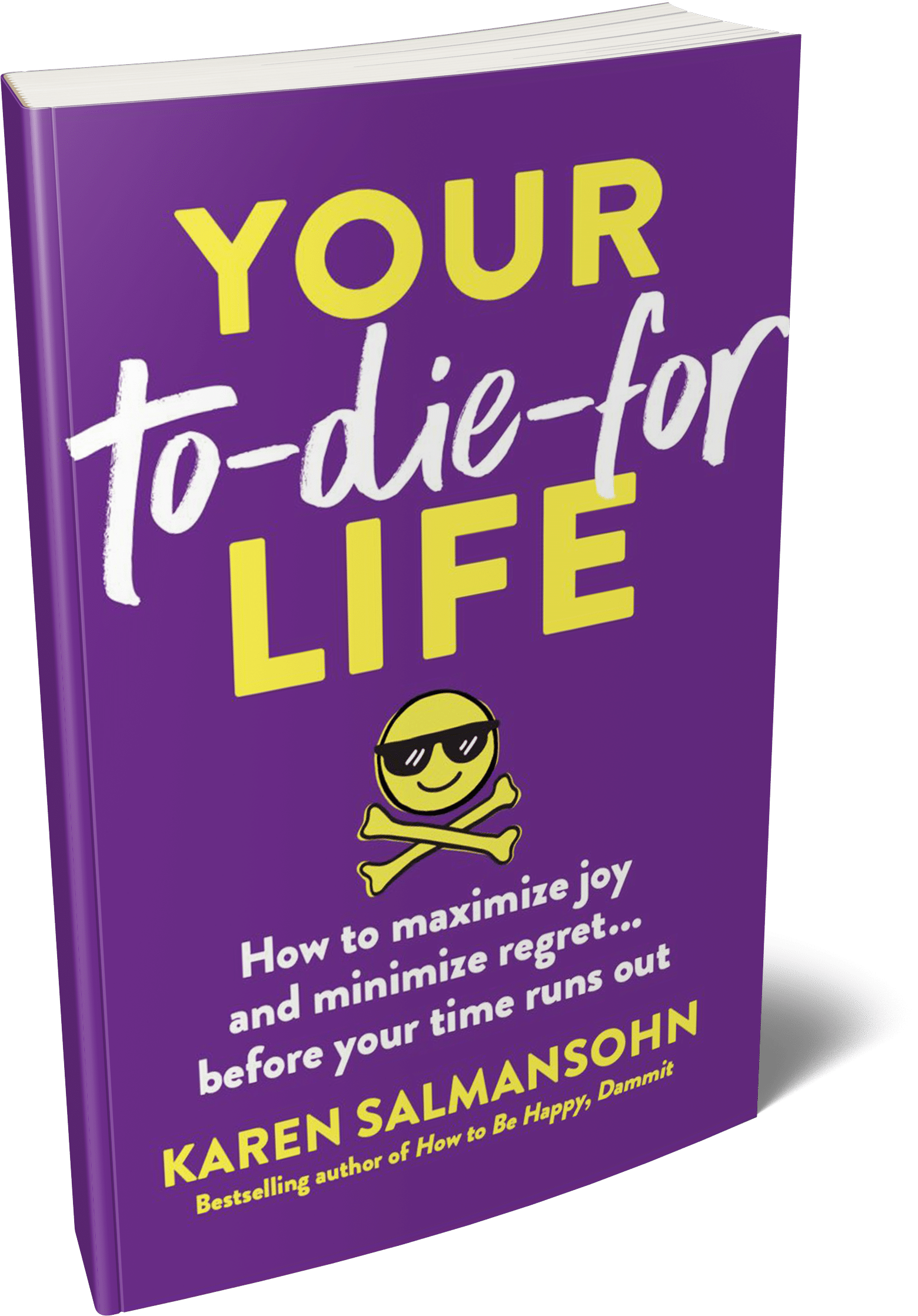

Get A Sneak Peek at my book “Your To-Die-For Life”!
Get a FREE sneak peek! Learn how to use Mortality Awareness as a wake up call to live more boldly.


 Most people think of sunscreen as a way to avoid a painful burn. Dermatology (and a lot of hard-earned experience) tells a different story: daily sun exposure is one of the biggest drivers of visible ageing. Fine lines that seem to “appear overnight,” uneven tone, rough texture, broken capillaries—these aren’t just a function of time. They’re often the cumulative result of ultraviolet damage adding up quietly over years.
So where does zinc oxide fit in, and why do many skin professionals reach for it when the goal is prevention, not just protection?
“Premature ageing” is really shorthand for photoageing—changes in skin caused by UV radiation rather than natural chronological ageing.
UVB is the one you feel. It’s more responsible for sunburn and direct DNA damage at the surface. UVA is sneakier: it penetrates deeper into the dermis, where collagen and elastin live. That’s why UVA is strongly associated with:
UVA is also present all day, all year, and it passes through window glass. If you sit near a bright window, drive regularly, or take short walks outside, you’re getting enough UVA to matter—even if you never burn.
 UV exposure triggers free radicals, which damage proteins and lipids and interfere with normal skin repair. Over time, that means slower recovery, more inflammation, and more visible wear-and-tear. You’ll often see this show up as dullness, redness that lingers, or pigmentation that becomes harder to fade.
There are plenty of good sunscreens on the market, but zinc oxide has a few characteristics that make it especially relevant if your priority is preventing photoageing.
Zinc oxide is a mineral UV filter that offers strong UVA and UVB protection when formulated well. That UVA performance is the anti-ageing sweet spot. In practical terms, consistent UVA coverage helps reduce the day-to-day collagen breakdown that slowly turns into etched-in lines and texture changes.
Another advantage: zinc oxide is photostable, meaning it doesn’t easily degrade in sunlight. That stability matters because sunscreen that breaks down faster can offer less reliable protection over the course of the day.
Around the middle of your routine-building process—when you’re comparing UVA ratings, finishes, and wearability—it can be useful to look at real-world examples of well-designed mineral options. Collections focused on zinc-based sun protection formulas can give you a sense of how modern zinc sunscreens are formulated today (including textures that are far less chalky than the older generations many people still picture).
If you’ve ever stopped using sunscreen because it stung, you’re not alone. One reason zinc oxide is frequently recommended is that it tends to be gentler on sensitive skin, including skin that’s:
When sunscreen is comfortable, people use it more consistently—and consistency is what protects collagen and pigment patterns over the long term.
UV exposure is a major trigger for hyperpigmentation and melasma. Daily high-UVA protection is foundational. If pigmentation is your main concern, consider tinted zinc formulas, which may also help reduce the impact of visible light on uneven tone (a relevant point for deeper skin tones and melasma-prone skin).
Not all zinc sunscreens feel the same, and not all “mineral” labels translate to great daily wear. A few criteria make a noticeable difference.
SPF mostly measures UVB protection. For ageing prevention, you want strong UVA performance too. Look for “broad spectrum” and, where available, clear UVA indicators (different regions use different systems). If you’re diligent with SPF but still noticing new pigmentation, inadequate UVA coverage is a common culprit.
 A technically excellent sunscreen that sits unused doesn’t prevent ageing. If you hate a greasy feel, look for lighter textures. If you dislike white cast, try a tinted version or a formula designed specifically for minimal cast. Your best sunscreen is the one you’ll apply generously and reapply without resistance.
Here’s a quick shopping checklist (useful when you’re comparing options side by side):
Even a great sunscreen can underperform if it’s applied like skincare. Sunscreen needs a different mindset.
Under-application is incredibly common. For the face and neck, a practical rule is the “two-finger” method (two full lines down the index and middle finger). If you use less, your real-life protection drops fast.
If you’re indoors all day away from windows, one solid morning application may be reasonable. But if you’re outside, sweating, wiping your face, or sitting by bright windows for hours, plan to reapply every two hours. This is where a comfortable zinc formula earns its place—you’re more likely to top up if it doesn’t feel heavy or irritating.
The first places photoageing shows are often the ones people miss: around the eyes, the upper cheeks, the sides of the neck, and the backs of hands. Those areas also get plenty of incidental exposure during everyday life.
If premature ageing is the concern, sunscreen isn’t an optional extra—it’s the core strategy. Zinc oxide sunscreens are particularly useful because they tend to deliver robust UVA coverage, hold up well in sunlight, and feel more forgiving on sensitive or treatment-exposed skin.
Think of it this way: serums and procedures can help correct what’s already visible, but zinc-based daily protection helps stop new damage from becoming “the next thing to fix.” Used consistently, it’s one of the most practical, evidence-aligned ways to keep skin looking smoother, clearer, and more even as the years go by.
P.S. Before you zip off to your next Internet pit stop, check out these 2 game changers below - that could dramatically upscale your life.
1. Check Out My Book On Enjoying A Well-Lived Life: It’s called "Your To Die For Life: How to Maximize Joy and Minimize Regret Before Your Time Runs Out." Think of it as your life’s manual to cranking up the volume on joy, meaning, and connection. Learn more here.
2. Life Review Therapy - What if you could get a clear picture of where you are versus where you want to be, and find out exactly why you’re not there yet? That’s what Life Review Therapy is all about.. If you’re serious about transforming your life, let’s talk. Learn more HERE.
Think about subscribing for free weekly tools here.
No SPAM, ever! Read the Privacy Policy for more information.
