 Life throws curveballs, right? One minute everything’s smooth sailing, the next you’re hit with an unexpected bill, a car repair, a sudden medical expense, you name it. These surprises can really mess with your money and cause a ton of stress.
Having a plan in place when you’re hit with unexpected life expenses is super important for handling them without derailing your bigger financial goals. It’s not about stopping every surprise from happening, but about having the right tools and strategies ready to go when they pop up. That way, you can face financial challenges feeling confident and in control.
Building a Strong Emergency Fund
Think of your emergency fund as your first line of defense against those unexpected costs. This is a special savings account, totally separate from your everyday checking or long-term investments, and it’s just for true emergencies. Most money pros suggest having enough saved to cover three to six months of your essential living expenses. We’re talking rent or mortgage, utilities, groceries, and getting around.
If saving that much sounds like a huge mountain to climb, no worries, just start small! Aim for your first $500 or $1,000. You can even set up automatic transfers from your checking to your savings every payday, even if it’s just a little bit. The main thing is to get into the habit. A helpful guide to building an emergency fund can guide you. The whole point is to build a financial cushion so you don’t have to go into debt when an emergency hits. Remember, any amount you save is way better than nothing and will give you more choices when you really need them.
Prioritizing Urgent Needs
When a surprise expense lands in your lap, it’s easy to panic. But before you do anything, take a breath, look at the situation, and figure out what’s most important. It’s key to tell the difference between something you urgently need and something you really want. An urgent need is something that directly affects your health, safety, or your ability to earn money. Like a necessary medical procedure, a big home repair (hello, leaking roof!), or fixing the car you use for work.
A pressing want might feel important, but it won’t have the same immediate, serious consequences. Maybe it’s a last-minute trip opportunity or a great deal on something big that wasn’t in your budget. Sorting out the expense this way helps you make a smarter decision. If it’s a genuine need, you’ll have to find a way to cover it. If it’s more of a want, it’s probably best to put it off until your finances are in a better spot.
Accessing Cash When Time is Short
Even with an emergency fund, you might run into a cost that’s bigger than your savings. When you need cash fast, it’s good to know your options. Some folks go for personal loans from a bank or credit union, though these usually involve a credit check and can take a bit to get approved. Another idea might be asking friends or family for help, but that can sometimes make personal relationships a little tricky.
If you own valuable items, secured lending is another route. For instance, some lenders offer loans against gold jewellery, luxury watches, or other valuables. This lets you use an asset as collateral to get immediate cash without actually selling it. Since the loan is backed by your item, it often doesn’t require a credit check and can be processed super quickly. It can be a practical way to bridge a temporary cash flow gap without messing with your credit score or long-term investments.
Protecting Your Long-Term Assets
When you’re under financial pressure, it can be tempting to dip into your long-term retirement accounts, like a 401(k) or an IRA. But honestly, this should almost always be your absolute last resort. Taking money out of retirement funds early often comes with hefty tax penalties and withdrawal fees, which can eat up a big chunk of your savings.
Even more importantly, you lose out on all that future growth. The magic of compound interest works best over many, many years, and even a small withdrawal can have a massive impact on how much you’ll have for retirement later. Before you even think about touching your retirement savings, explore every other option out there, from short-term loans to payment plans. Protecting these long-term assets is super important for making sure your financial future is secure.
Strategic Financial Planning
Once the immediate crisis has passed, it’s time to think about the long game. Good financial planning isn’t just about saving for retirement; it’s about building a strong system that can handle life’s bumps. Start by doing regular money check-ups. Once or twice a year, take a look at your budget, how your savings are doing, and your debt levels.
This is also a great time to review your insurance. Make sure your health, auto, and home or renters insurance policies are right for what you need. Good insurance is a key tool for dealing with really big, unexpected expenses. Finally, keep building an emergency fund and set new savings goals. By making these things a regular part of your financial routine, you’ll be much better prepared for whatever comes your way.
Handling financial surprises is a skill you can definitely get better at over time. Having a plan and knowing your options helps you face unexpected costs with less stress and a lot more confidence.
P.S. Before you zip off to your next Internet pit stop, check out these 2 game changers below - that could dramatically upscale your life.
1. Check Out My Book On Enjoying A Well-Lived Life: It’s called "Your To Die For Life: How to Maximize Joy and Minimize Regret Before Your Time Runs Out." Think of it as your life’s manual to cranking up the volume on joy, meaning, and connection. Learn more here.
2. Life Review Therapy - What if you could get a clear picture of where you are versus where you want to be, and find out exactly why you’re not there yet? That’s what Life Review Therapy is all about.. If you’re serious about transforming your life, let’s talk. Learn more HERE.
Think happier. Think calmer.
Think about subscribing for free weekly tools here.
No SPAM, ever! Read the Privacy Policy for more information.
One last step!
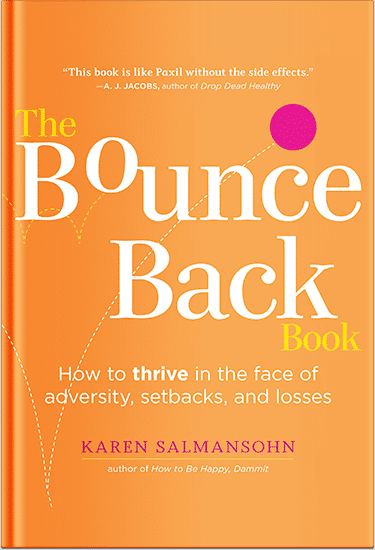
Please go to your inbox and click the confirmation link we just emailed you so you can start to get your free weekly NotSalmon Happiness Tools! Plus, you’ll immediately receive a chunklette of Karen’s bestselling Bounce Back Book!