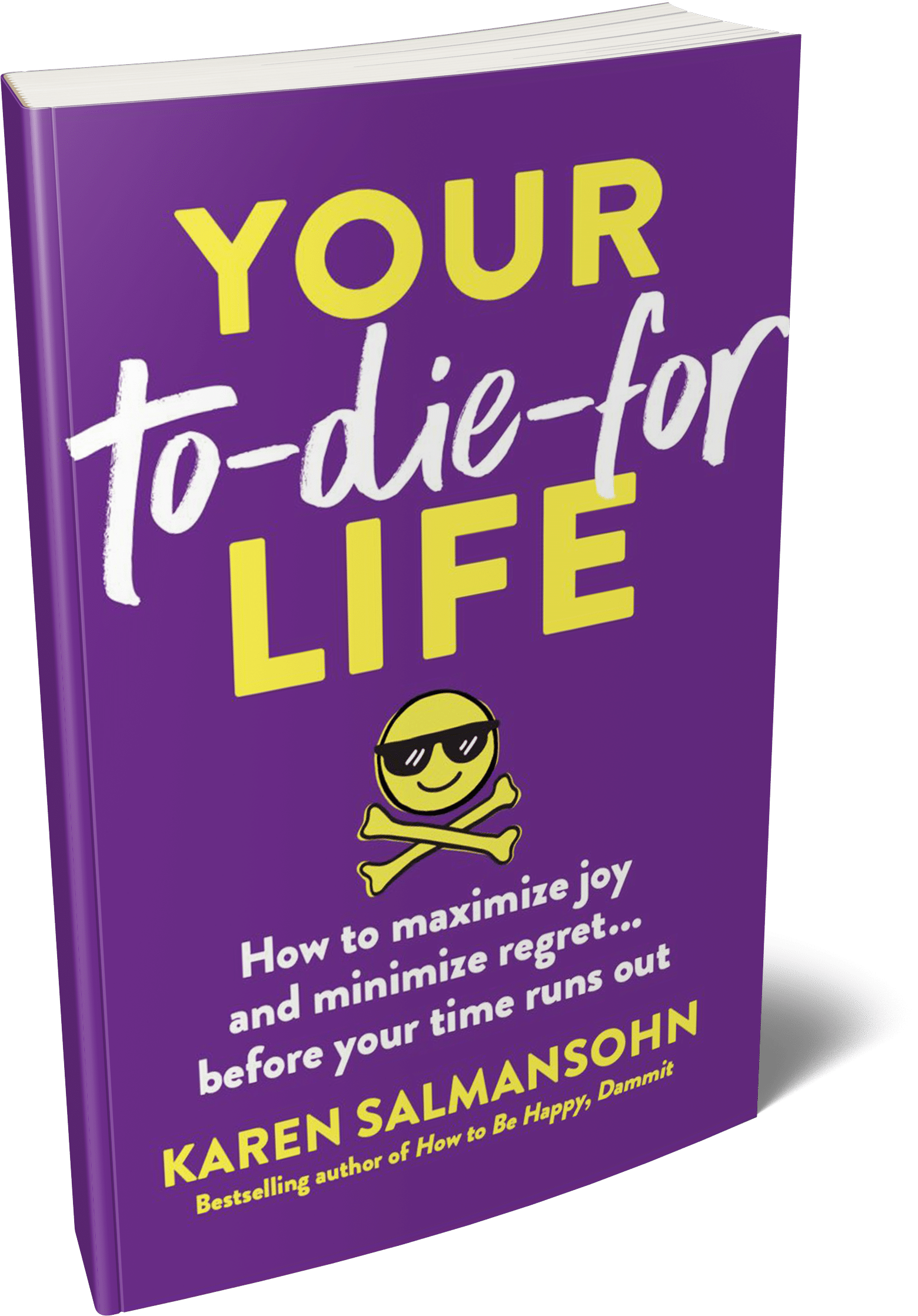

Get A Sneak Peek at my book “Your To-Die-For Life”!
Get a FREE sneak peek! Learn how to use Mortality Awareness as a wake up call to live more boldly.


 By hour six of a workday, your eyes can feel it. Screens, air conditioning, a late lunch, and an evening commitment you can’t skip all add up. If your lenses feel fine at 9 a.m. but gritty by mid-afternoon, the lens itself may not suit the way you live.
This guide covers what matters when you pick contacts for a demanding schedule: wear type, comfort features, fit, and habits. It also covers a few mistakes that are easy to make when you’re busy.
Before comparing brands, write down what your eyes go through on a typical day. A few questions help:
The answers matter more than any product description. Someone who works twelve-hour shifts in a dry office has different needs from someone who wears lenses for weekend sports.
Daily contact lenses are worn once and thrown away. You put in a fresh pair each morning, so there are no solutions, cases, or nightly cleaning.
For busy people, that has real practical value:
The trade-off is cost. Per lens, dailies often cost more than longer-wear options, though some people find the total comparable once they count solutions and cases. It depends on how often you wear them.
Reusable lenses can work well if you’re disciplined about care. They require daily cleaning and disinfecting, regular case replacement, and strict adherence to the replacement schedule. When life gets chaotic, those steps are the first to slip, and that’s when comfort problems tend to start. If you choose this route, be honest about whether you’ll keep up the routine.
Not all lenses are built the same way, and the differences show up late in the day. Here’s what to look at.
Silicone hydrogel lenses transmit more oxygen to the cornea than traditional hydrogel lenses. Oxygen supply matters when lenses stay on for many hours. Many modern lenses also include wetting agents or surface treatments designed to keep the lens surface comfortable as the day goes on.
Edge shape, thickness, and flexibility all affect how a lens sits and feels. A lens that is comfortable for one person can be irritating for another with a different corneal shape or tear film. This is the reason a fitting matters more than a brand name.
Acuvue Oasys is a family of silicone hydrogel lenses from Johnson & Johnson Vision that comes up often in conversations about all-day wear. The range includes daily disposable and two-week options, and some versions are designed for astigmatism or presbyopia. Different versions use different moisture and surface technologies, so ask your eye care professional which version suits your prescription and habits. It’s one good option among several, and the right choice is the one that fits your eyes.
Your prescription may narrow your choices before comfort even comes up.
In the US, contact lenses require a valid prescription, and it isn’t interchangeable with your glasses prescription. A contact lens fitting measures the curvature of your eye and checks the lens fit. If you haven’t had an exam in over a year, book one before ordering.
Heavy screen use is a common source of discomfort for lens wearers. When we focus on a display, we tend to blink less often and sometimes less completely, which lets the tear film evaporate faster. Contacts can make that worse.
These habits help:
Sleeping in lenses not designed for it. Overnight wear raises the risk of eye infections and corneal problems, and many popular lenses aren’t approved for sleeping in.
Swapping lens brands without a fitting. Two lenses with the same prescription can behave very differently on your eye.
Pushing through discomfort. Redness, pain, blurred vision, or light sensitivity are reasons to remove your lenses and call your eye care professional promptly.
Stretching lens life. Wearing a daily lens for a second day or going past the replacement date on a two-week lens defeats the purpose of the schedule.
Using tap water or saliva on lenses. Neither is safe for contact lenses.
Are daily contact lenses better for sensitive eyes?
Many people find them more comfortable because the lens is new each day and has no time to collect deposits. Sensitivity has several causes, though, so talk to your eye care professional if you’re prone to irritation.
Can I wear daily lenses only on some days?
Yes. Because each pair is used once, you can wear them just on the days you need them without worrying about storing partly used lenses.
How long can I wear contacts in a single day?
It depends on the lens and your eyes. Follow the guidance from your eye care professional and the lens instructions. If your eyes feel dry or tired, take a break.
Is Acuvue Oasys good for people who work at a computer?
Many lens wearers who spend long hours on screens choose silicone hydrogel lenses like Acuvue Oasys for comfort. Your results will depend on your eyes, your prescription, and your environment, so a fitting is the best way to know.
Can I wear contacts if I have dry eyes?
Often yes, but a dry-eye diagnosis changes the approach. Your eye care professional may suggest specific lens materials, a different wear schedule, or treating the dryness first.
How often should I have my eyes checked?
Most eye care professionals recommend an exam at least once a year for contact lens wearers, or more often if they advise it.
The best contact lens for a long workday is the one that stays comfortable from morning to evening, fits your prescription, and matches how much effort you’re realistically willing to put into upkeep. If your routine leaves little room for lens care, daily disposables are a sensible place to start. From there, a proper fitting and honest feedback about how your eyes feel at the end of the day will do more to find the right lens than any product label.
P.S. Before you zip off to your next Internet pit stop, check out these 2 game changers below - that could dramatically upscale your life.
1. Check Out My Book On Enjoying A Well-Lived Life: It’s called "Your To Die For Life: How to Maximize Joy and Minimize Regret Before Your Time Runs Out." Think of it as your life’s manual to cranking up the volume on joy, meaning, and connection. Learn more here.
2. Life Review Therapy - What if you could get a clear picture of where you are versus where you want to be, and find out exactly why you’re not there yet? That’s what Life Review Therapy is all about.. If you’re serious about transforming your life, let’s talk. Learn more HERE.
Think about subscribing for free weekly tools here.
No SPAM, ever! Read the Privacy Policy for more information.