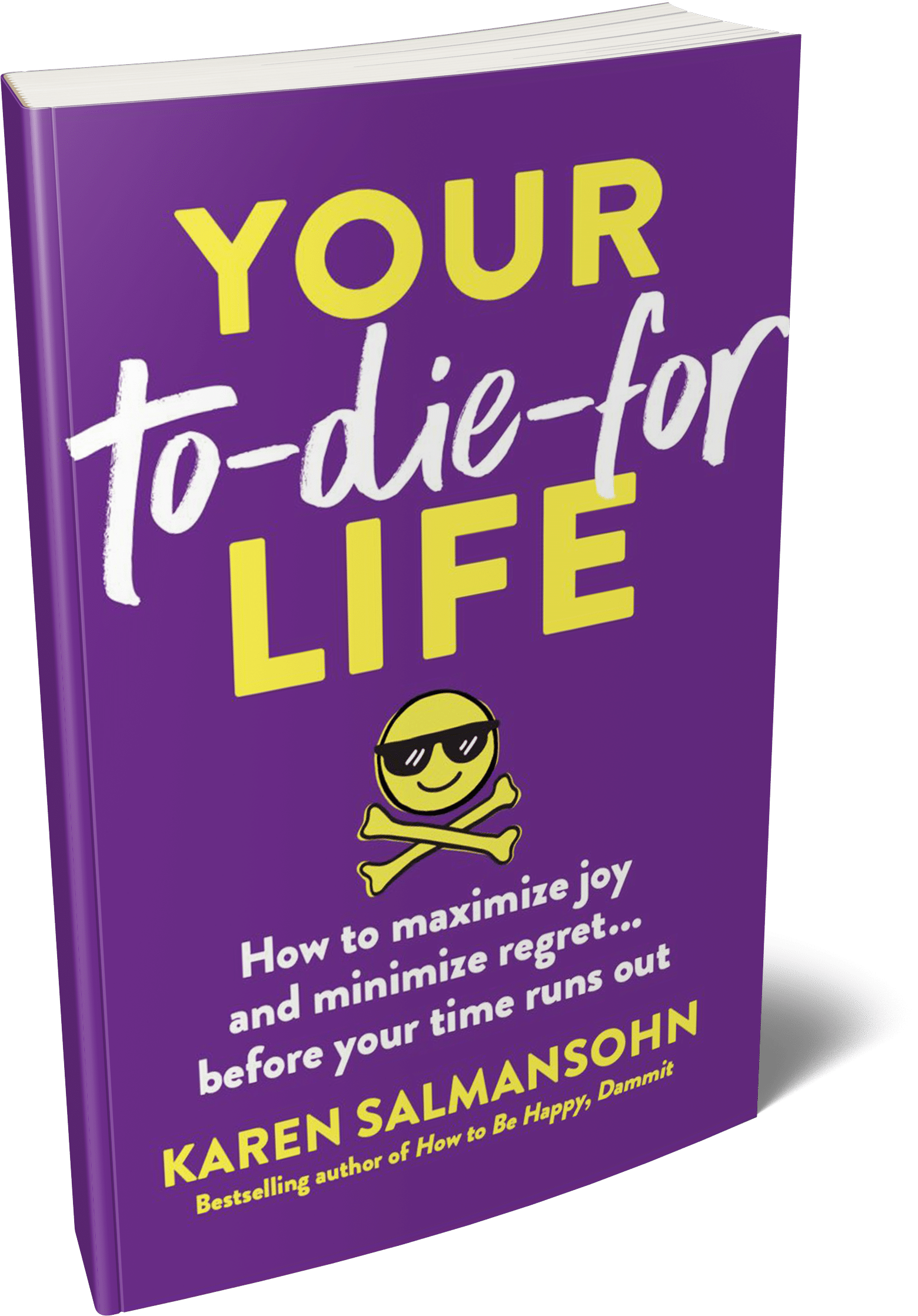

Get A Sneak Peek at my book “Your To-Die-For Life”!
Get a FREE sneak peek! Learn how to use Mortality Awareness as a wake up call to live more boldly.


 Music has always been one of the most honest mirrors we have. Before someone can name what they are going through, a song often does it for them. For people navigating recovery from addiction, certain songs have become something close to sacred texts, not because they are inspirational in a greeting-card way, but because they tell the truth about what it actually feels like to fall apart and choose a different path.
This article explores some of the most meaningful songs about getting clean and sober, why they resonate so deeply, and how music can serve as a genuine support tool throughout the recovery process.
There is real science behind why songs hit differently when you are going through something hard. Music activates the brain’s dopamine system, the same reward circuitry that addiction disrupts. Listening to music that reflects your own experience can reduce feelings of isolation, regulate emotional states, and even strengthen motivation to stay on track.
For many people in early recovery, hearing a song that names their struggle is the first moment they feel genuinely seen. That moment of recognition can be surprisingly powerful.
Addiction is often described as a disease of disconnection. People in the grip of substance use disorders frequently report feeling cut off from themselves and others. Music bridges that gap. It gives language to experiences that are otherwise hard to articulate, including shame, grief, hope, and the strange, mixed feelings that come with choosing sobriety.
The following songs span decades and genres, but each one touches something true about the recovery experience. They are not all triumphant. Some are raw and uncomfortable. That honesty is part of what makes them worth listening to.
Although not written explicitly about substance use, “Clean” from Swift’s 2014 album “1989” has been widely embraced by the recovery community. The song describes the emotional experience of finally feeling free from something that consumed her, using water and clarity as central metaphors. For many in sobriety, it captures that particular feeling of putting distance between yourself and a destructive period of your life.
Pink released “Sober” in 2008, and it remains one of the most honest pop songs about the push and pull of early recovery. She sings about the discomfort of being sober, the loss of numbness, and the question of who she is without substances as a coping mechanism. It does not romanticize sobriety. It sits with the difficulty, which is exactly what makes it resonate.
Rock music has a long, complicated relationship with addiction, which means it also has some of the most direct songs about getting sober. Several artists have written from personal experience, and that authenticity comes through.
Guns N’ Roses’ “Mr. Brownstone” (1987) and Neil Young’s “The Needle and the Damage Done” (1972) both approach addiction from slightly different angles. Young’s acoustic ballad is a lament, written after watching fellow musicians destroyed by heroin. It is grief set to music. GN’R’s track captures the seductive pull and the slow erosion of control. Together, they represent two sides of the same experience.
Tool’s “Sober,” released in 1993, is a psychologically complex portrait of addiction. The narrator describes feeling alive only within their addiction, which is a clinical reality that therapists who work at a residential treatment center for addiction recognize immediately. The song gives voice to the part of addiction that is not just about substances but about identity and fear of who you might be without them.
Few artists have documented their own addiction and recovery as publicly as Eminem. His 2010 album “Recovery” contains multiple tracks that address his dependence on prescription pills and his path back. “Not Afraid” became an anthem for people in sobriety because it is direct, unglamorous, and personal. He was not performing recovery. He was reporting it.
“Beautiful” from his 2009 album “Relapse” also deserves mention. Written during a particularly dark period, it captures the self-doubt and depression that often accompany addiction, themes that any clinician working in behavioral health will recognize as central to treatment, not peripheral to it.
Kendrick Lamar’s 2012 track is often misread as a party song. A closer listen reveals it is about peer pressure, the cycle of generational alcohol use, and the way substances become woven into social identity. For people in recovery who struggled with cultural or family-based drinking norms, it speaks directly to a dimension of addiction that is frequently underaddressed.
Country music has perhaps the most direct tradition of singing about substance use and recovery. The genre has never been afraid to name things plainly.
Brad Paisley’s “Whiskey Lullaby” tells the story of alcohol’s destructive power through narrative, while artists like Dierks Bentley and Chris Stapleton have touched on the intersection of grief, masculinity, and drinking in ways that resonate particularly with male populations in treatment.
For clients at a holistic evidence-based rehab in Georgia, group listening sessions using country music have been noted anecdotally as effective conversation starters, particularly for individuals who find clinical language distancing but respond readily to storytelling.
Though not directly about addiction, this song about returning to your roots to understand yourself is deeply relevant to recovery work. Many therapeutic models emphasize reconnecting with one’s pre-addiction identity. Lambert’s song captures that longing in a way that is simple and genuinely moving.
Music therapy is now recognized as a legitimate clinical tool in behavioral health settings. Credentialed music therapists work with patients in inpatient and outpatient settings to use both receptive listening and active music-making as part of treatment.
Music therapy in addiction treatment can involve creating playlists that map to emotional states, writing original lyrics to process experiences, using rhythm and movement to regulate the nervous system, and analyzing song lyrics to open up conversations about values, cravings, grief, and identity.
It is not a replacement for evidence-based modalities like cognitive behavioral therapy or medication-assisted treatment. It works alongside them, offering an access point for people who struggle to engage with more traditional talk-based formats.
One of the most practical things someone in early recovery can do is build a personal playlist with intention. This is not about selecting only “positive” songs. It is about building a collection that reflects the full emotional range of recovery: the hard days, the milestones, the quiet moments of clarity.
What does this song make me feel, and is that feeling one I want to sit with or move through? Does this song reflect where I am, where I have been, or where I want to go? Would I feel comfortable sharing this song with my therapist or a person I trust in recovery?
These questions turn passive listening into an act of self-awareness, which is exactly the kind of reflective practice that supports long-term sobriety.
Songs about getting clean and sober matter because recovery itself is a deeply human process that does not fit neatly into checklists and clinical frameworks. Music reaches the parts of a person’s experience that language alone sometimes cannot.
Whether you are in early recovery, supporting someone who is, or working in the behavioral health field, building familiarity with these songs is worth your time. They are not just entertainment. They are documentation of what it costs and what it means to choose a different life.
P.S. Before you zip off to your next Internet pit stop, check out these 2 game changers below - that could dramatically upscale your life.
1. Check Out My Book On Enjoying A Well-Lived Life: It’s called "Your To Die For Life: How to Maximize Joy and Minimize Regret Before Your Time Runs Out." Think of it as your life’s manual to cranking up the volume on joy, meaning, and connection. Learn more here.
2. Life Review Therapy - What if you could get a clear picture of where you are versus where you want to be, and find out exactly why you’re not there yet? That’s what Life Review Therapy is all about.. If you’re serious about transforming your life, let’s talk. Learn more HERE.
Think about subscribing for free weekly tools here.
No SPAM, ever! Read the Privacy Policy for more information.
