

Get A Sneak Peek at my book “Your To-Die-For Life”!
Get a FREE sneak peek! Learn how to use Mortality Awareness as a wake up call to live more boldly.


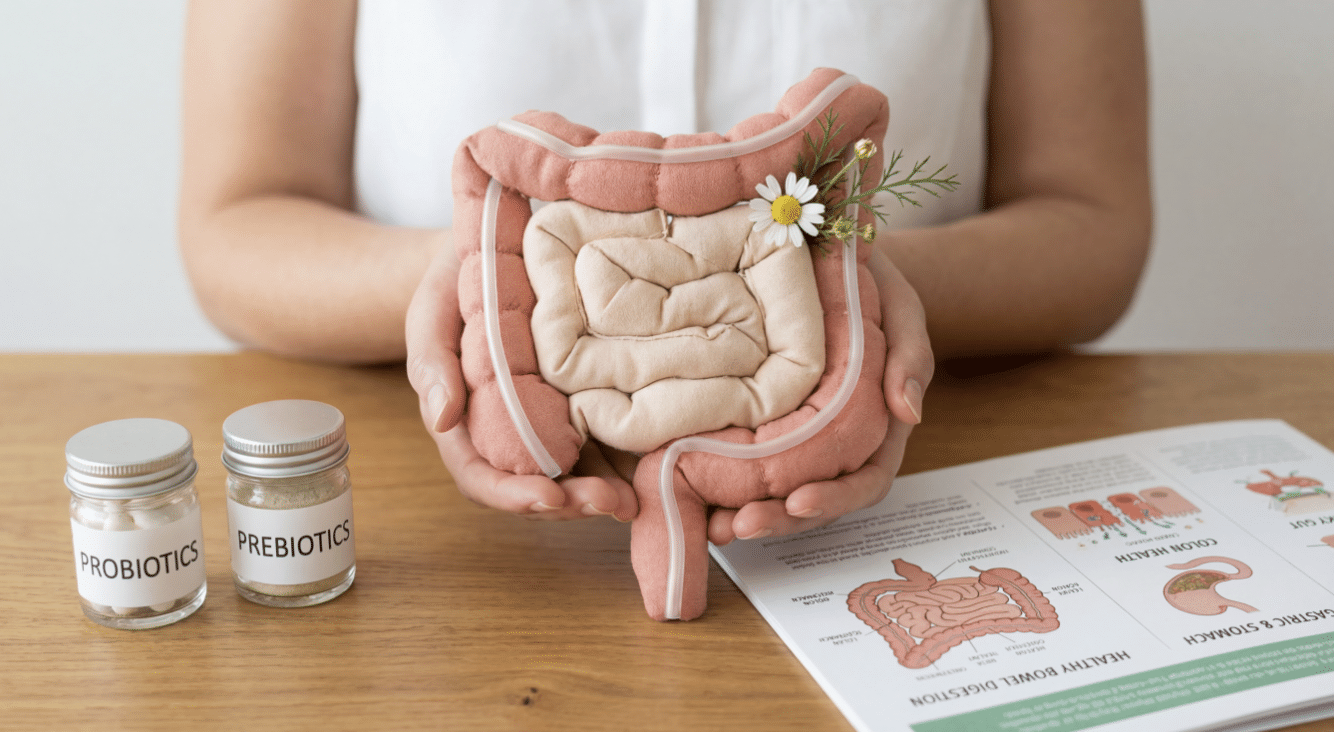 Your gut does more than digest food. It influences energy, mood, immunity, and how the body handles stress. Taking care of it can support daily life and make small changes feel easier to manage. Probiotics and prebiotics often come up in discussions on digestive health.
Understanding how they work together and why they may matter for women can help you make choices that suit your body.
Probiotics are living microorganisms that may support the balance of bacteria in your gut. They’re often thought of as the ‘good bacteria’ because they may help offset microbes that cause digestive discomfort. Some women include a probiotic supplement in their routine to give these bacteria extra support, while probiotic foods alone can also contribute to a healthy balance.
Different strains of probiotics have different roles. Some may help with digestion, while others could support your immune system. Knowing that variety exists can help when choosing foods or supplements. Yogurt, kefir, and fermented vegetables are natural sources, while supplements may provide higher concentrations of specific strains.
Using probiotics doesn’t try to force the gut into a perfect state. It works best when creating conditions where beneficial bacteria may thrive. Regular exposure, whether through foods or a supplement, might help the digestive system adapt over time. Even small, consistent steps could make a difference in comfort and overall gut function.
Prebiotics aren’t bacteria themselves. They’re compounds in certain foods that feed probiotics and other beneficial microbes. Including prebiotic-rich foods in meals may help gut bacteria multiply, supporting digestion and producing short-chain fatty acids that are important for gut function.
Common sources of prebiotics include garlic, onions, leeks, asparagus, and bananas. These ingredients contain fibers that gut bacteria may ferment, a process known as microbial degradation, producing byproducts that could support digestive comfort. Even small amounts in meals might help maintain a diverse gut ecosystem.
For women, prebiotics may be especially useful during hormonal changes. Shifts in estrogen or progesterone could influence gut motility or sensitivity, and supporting the gut microbiome with prebiotics may reduce minor disruptions. Prebiotics won’t fix everything, but they may create conditions that allow probiotics to work more effectively.
Probiotics and prebiotics often work best together. Probiotics introduce beneficial microbes, while prebiotics provide nutrients that those microbes may need to thrive. Using both may support the bacterial community in the gut and help maintain gut barrier integrity, which could influence comfort and overall function.
Women’s digestive systems may respond to factors such as hormonal cycles, diet, or stress differently from men’s. Supporting gut diversity with probiotics and prebiotics might make those changes easier to manage. Some women notice that including both types of nutrients reduces bloating or irregularity, which could help prevent minor gastrointestinal disorders.
A combined approach doesn’t have to be complicated. Pairing fermented foods with fiber-rich vegetables may give the gut both probiotics and prebiotics in one meal. Even small adjustments, like adding miso to a salad or topping oatmeal with a banana, may support local immunity over time.

Adding these nutrients doesn’t require a strict routine. Simple, consistent choices often matter more than complex schedules. Fermented foods, fiber-rich vegetables, and occasional supplements may all fit naturally into daily life.
Variety may influence how the gut responds. Rotating different sources of probiotics and prebiotics could provide a broader range of beneficial bacteria and fibers. Including foods with soluble fiber may also help feed probiotics, supporting ongoing bacterial growth and comfort.
Experimenting to find what works is key. You may notice subtle changes in digestion, energy, or comfort as you try different foods or supplements. Paying attention to patterns over weeks, rather than expecting immediate results, is often the most practical approach for maintaining gut health.
You might wonder if more is always better with probiotics and prebiotics. Overdoing certain fibers may cause temporary bloating or discomfort, while skipping days won’t undo the benefits. Consistency matters more than quantity.
Quality matters if you choose supplements. Check the strains included, the CFU count, and whether refrigeration is required. Food sources are generally safe, while supplements can provide targeted strains that aren’t always available in meals. Adding foods with live cultures may also help introduce beneficial bacteria naturally.
Gut health involves more than probiotics and prebiotics. Sleep, stress management, hydration, and movement all affect the microbiome. Including probiotics and prebiotics supports comfort, regularity, and a sense of well-being over time.
Probiotics and prebiotics each have unique roles in supporting the gut, and together they may provide a complementary approach that women could find especially useful. Using both doesn’t need to be complicated.
Small, consistent choices—like including fermented foods, fiber-rich vegetables, or a supplement—can add up over time. Paying attention to your body and how it responds helps you make decisions that actually feel right for you.
P.S. Before you zip off to your next Internet pit stop, check out these 2 game changers below - that could dramatically upscale your life.
1. Check Out My Book On Enjoying A Well-Lived Life: It’s called "Your To Die For Life: How to Maximize Joy and Minimize Regret Before Your Time Runs Out." Think of it as your life’s manual to cranking up the volume on joy, meaning, and connection. Learn more here.
2. Life Review Therapy - What if you could get a clear picture of where you are versus where you want to be, and find out exactly why you’re not there yet? That’s what Life Review Therapy is all about.. If you’re serious about transforming your life, let’s talk. Learn more HERE.
Think about subscribing for free weekly tools here.
No SPAM, ever! Read the Privacy Policy for more information.
