Long-term trauma can last for many years and can shape our thoughts, feelings, and actions in ways we may not realize. It can come from life-threatening events or ongoing stress. This trauma can cause physical, emotional, and mental health issues. Understanding that trauma doesn’t just go away is the first step to healing. Healing takes time, effort, and sometimes help from professionals.
Dealing with long-term trauma can feel overwhelming. Many people may feel stuck in cycles of distress, struggling with memories or behaviours that affect their daily lives. However, with awareness and proactive steps, it is possible to regain peace and stability. Here are some ways to handle long-term trauma effectively.
Therapeutic Approaches
Therapy can be very important in healing from trauma. Many types of therapy offer different tools to help individuals process their experiences. Finding a therapist who specializes in trauma can significantly help. These experts can guide you through the healing process and provide a safe space to discuss painful memories and emotions.
One helpful approach is Internal Family Systems (IFS) therapy. The IFS therapist work with clients to understand and support different parts of themselves that may have developed due to trauma. Instead of seeing these parts as problems, IFS therapy helps individuals embrace their inner voices and recognize their pain. By being compassionate and understanding toward themselves, clients can experience major changes in their emotions, leading to greater resilience and self-acceptance.
Self-Reflection
Self-reflection is essential for dealing with long-term trauma. It involves stepping back to examine your thoughts, feelings, and reactions. Journaling is a powerful way to do this. Writing down your experiences and emotions can help you release complex feelings and clarify your thoughts. Over time, you might notice patterns that need attention, encouraging you to explore them further in therapy or your personal life.
Meditation and mindfulness practices also aid self-reflection. These practices allow you to pause and observe your thoughts without judgment. Instead of being swept away by your emotions, you learn to acknowledge them, creating space for healing. Regular self-reflection helps you better understand your trauma and gives you insights for handling daily life more effectively.
Community Support
Connecting with others can help you overcome trauma. Support groups, whether in person or online, offer a safe space to share your experiences with people who understand. Hearing others’ stories can help you feel less isolated, reminding you that you are not alone. This shared environment fosters a sense of belonging and acceptance, which is important in the healing process.
Talking with trusted friends and family can also strengthen your support network. Openly discussing your feelings and experiences can deepen your connections. These relationships become vital sources of support, encouraging you as you work through your healing journey. It’s crucial to surround yourself with people who listen without judgment and offer compassion and understanding.
Professional Help
Seeking help from a psychologist can be an important step in addressing long-term trauma. Psychologists can help you explore your thoughts and feelings. Their professional insight can clarify your experiences and help you better understand them. Together with a psychologist, you can develop coping strategies and tools to manage the effects of trauma.
It’s important to find a psychologist with whom you feel comfortable and who understands you. A good therapeutic relationship can enhance your healing experience. Many psychologists use effective techniques tailored to your needs, ensuring you receive personalized advice and a fitting plan.
Healthy Lifestyle Choices
Adopting healthy habits can greatly support your healing journey. Regular exercise not only benefits your physical health but also boosts your emotional well-being. Exercise releases endorphins, which can lift your mood and ease anxiety or depression. Choose activities you enjoy, such as walking, dancing, or yoga, to build a sense of achievement and joy.
Your diet also matters. Eating a balanced diet rich in healthy foods can impact your mental health. Foods with omega-3 fatty acids, antioxidants, and vitamins support brain health and can improve your mood. Staying hydrated and eating fewer processed foods often leads to better mental clarity and emotional balance.
Creative Outlets
Expressing yourself through art can be a helpful way to deal with trauma. Creative activities like painting, music, or writing can help you share feelings that are hard to put into words. Art therapy is a recognized practice that lets you explore emotions through creativity. It provides a way to show your pain and illustrate your healing process.
Finding a creative outlet that resonates with you can be a therapeutic tool, offering relief from emotional burdens. Embracing creativity encourages self-exploration and helps you communicate your feelings in new ways.
Addressing long-term trauma is a personal journey that takes time. Remember that healing is not always a straight path; there will be ups and downs. With the right support, self-awareness, and practical strategies, you can change your relationship with trauma and move forward toward a brighter future. Prioritize your well-being and try different approaches to find what works best for you.
P.S. Before you zip off to your next Internet pit stop, check out these 2 game changers below - that could dramatically upscale your life.
1. Check Out My Book On Enjoying A Well-Lived Life: It’s called "Your To Die For Life: How to Maximize Joy and Minimize Regret Before Your Time Runs Out." Think of it as your life’s manual to cranking up the volume on joy, meaning, and connection. Learn more here.
2. Life Review Therapy - What if you could get a clear picture of where you are versus where you want to be, and find out exactly why you’re not there yet? That’s what Life Review Therapy is all about.. If you’re serious about transforming your life, let’s talk. Learn more HERE.
Think happier. Think calmer.
Think about subscribing for free weekly tools here.
No SPAM, ever! Read the Privacy Policy for more information.
One last step!
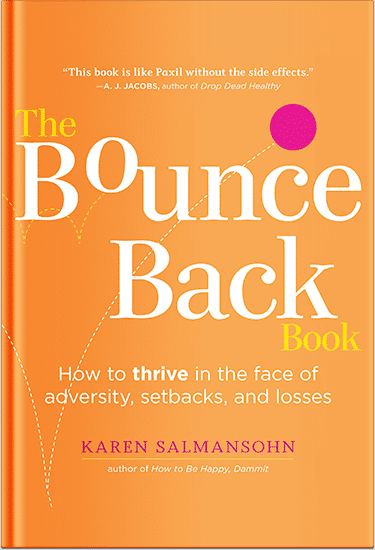
Please go to your inbox and click the confirmation link we just emailed you so you can start to get your free weekly NotSalmon Happiness Tools! Plus, you’ll immediately receive a chunklette of Karen’s bestselling Bounce Back Book!