 Feeling shaken after a crash? Learn practical ways to manage stress, seek support, organize paperwork, and make informed choices about your next steps.
After a car accident, you may be sore, jumpy at intersections, and short on sleep while your phone fills with appointment reminders and insurance messages. Handling symptoms and paperwork together can feel overwhelming. Start with your health, organize the information you need, and ask for support before making decisions about legal help.
Key takeaways
- Report new or worsening symptoms to a clinician.
- Store medical, insurance, and accident records in one place.
- Keep manageable routines and ask for practical help.
Put Your Health Before the Paperwork
Give medical concerns priority, even when insurance messages are competing for your attention.
Report new or worsening symptoms. UPMC notes that some injuries may not become apparent until later. Tell your clinician about symptoms such as a new headache, numbness, or trouble focusing. Avoid assuming a new problem is stress-related without discussing it with a medical professional.
Know the urgent warning signs. The CDC advises immediate emergency medical care for danger signs after a possible concussion or mild traumatic brain injury. These include a headache that keeps getting worse, repeated vomiting, or worsening confusion. If these occur, call 911 or seek emergency care.
Follow your care plan. Keep discharge sheets and follow-up instructions together. Ask your clinician which activities are safe and when you can drive again. Follow the advice given for your injuries rather than relying on a general recovery timeline.
Protect Your Choices With Clear Records
Organized records can help you answer questions without relying on memory. They cannot guarantee an insurance payment or legal outcome.
Keep one folder. Use a physical or digital folder for photos taken safely at the scene, the police report reference, treatment records, bills, insurer correspondence, and a dated call log. Progressive’s accident checklist recommends photographing vehicle damage from multiple angles. If you take additional photos of your car, do so safely. Photos can document damage without establishing fault on their own.
Clarify insurance requirements. Allstate notes that accident-reporting requirements vary by state. Check the rules where the crash occurred with the applicable authority. For Florida readers, state no-fault law requires initial services and care within 14 days after the accident for PIP medical benefits to apply. This is an insurance eligibility condition, not a lawsuit filing deadline or a reason to delay care.
When an insurer calls, ask which documents and policy obligations apply. Record the requested next steps and ask for clarification before signing anything you don’t understand.
Ask questions before choosing legal help. Not every crash requires an attorney, and an article cannot determine whether yours does. If your crash happened in or around Boca Raton and you’re considering legal help, Werner, Hoffman, Greig & Garcia’s Boca Raton Car Accident Lawyer page describes the firm’s accident representation and contingency-fee approach. If you do speak with a firm, the written agreement sets the actual terms, including fees and responsibility for case expenses. A consultation can help you understand those terms before deciding whether to hire a firm. Ask who would handle your matter, how communication would work, and how your circumstances affect the available options.
Make Stress More Manageable, One Step at a Time
NIMH lists anxiety, sadness, anger, trouble concentrating, sleep problems, and repeated thoughts about what happened as possible reactions to trauma. These reactions can make everyday tasks harder. You can ask for support while you work out what you need.
Ask for practical help. Choose a task, such as getting groceries or arranging a ride to an appointment, and ask someone you trust to help. This practical recovery guide on the emotional side of recovery offers further encouragement about accepting support. Treat it as lifestyle reading rather than medical advice.
Keep a manageable routine. NIMH includes maintaining a sleep routine among its suggestions for coping with stress. A regular mealtime or a brief journal entry may also give your day some structure. You don’t have to write about the crash; a line about how you slept or what help you need can be enough.
Recognize when professional support is needed. NIMH recommends seeking help when symptoms do not improve over time or begin to interfere with daily life. If nightmares, fear of driving, or distress are disrupting work or family life, discuss them with a qualified professional. You can also ask for help sooner.
Conclusion
Recovering from a car accident takes more than healing physical injuries. Putting your health first, keeping your records in one place, and leaning on the people around you can make the weeks after a crash feel more manageable. You don’t need to have every answer right away. Take one step at a time: report symptoms, follow your care plan, ask questions before signing anything, and reach out for professional support if stress starts affecting daily life. With clear information and steady support, you can make decisions about your recovery and next steps with more confidence.
FAQs
Why do I still feel nervous when I am somewhere safe?
Anxiety, sleep changes, and concentration problems can follow a traumatic event. These symptoms alone do not establish a diagnosis. Discuss them with a clinician, especially if they persist or interfere with daily life.
When should I ask for professional support?
Seek help if symptoms aren’t improving or are disrupting daily activities. You can also reach out sooner if you are struggling; you don’t need to wait for symptoms to become severe.
What should I keep while I recover?
Keep photos, the police report reference, treatment records, bills, insurer correspondence, and a dated call log together. Save follow-up instructions where you can find them before appointments.
What should I ask during a legal consultation?
Whichever firm you speak with, ask how fees work, who covers case expenses, and who will handle your matter. Ask which questions about your case remain unresolved and what information would help answer them.
P.S. Before you zip off to your next Internet pit stop, check out these 2 game changers below - that could dramatically upscale your life.
1. Check Out My Book On Enjoying A Well-Lived Life: It’s called "Your To Die For Life: How to Maximize Joy and Minimize Regret Before Your Time Runs Out." Think of it as your life’s manual to cranking up the volume on joy, meaning, and connection. Learn more here.
2. Life Review Therapy - What if you could get a clear picture of where you are versus where you want to be, and find out exactly why you’re not there yet? That’s what Life Review Therapy is all about.. If you’re serious about transforming your life, let’s talk. Learn more HERE.
Think happier. Think calmer.
Think about subscribing for free weekly tools here.
No SPAM, ever! Read the Privacy Policy for more information.
One last step!
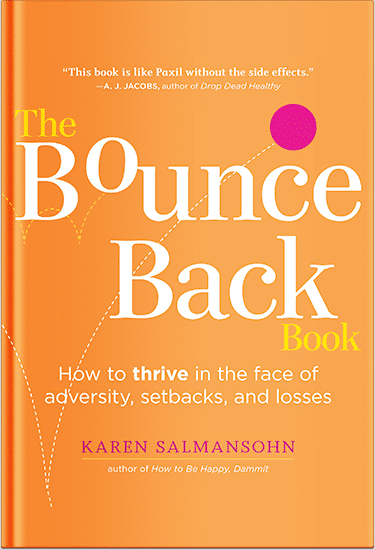
Please go to your inbox and click the confirmation link we just emailed you so you can start to get your free weekly NotSalmon Happiness Tools! Plus, you’ll immediately receive a chunklette of Karen’s bestselling Bounce Back Book!