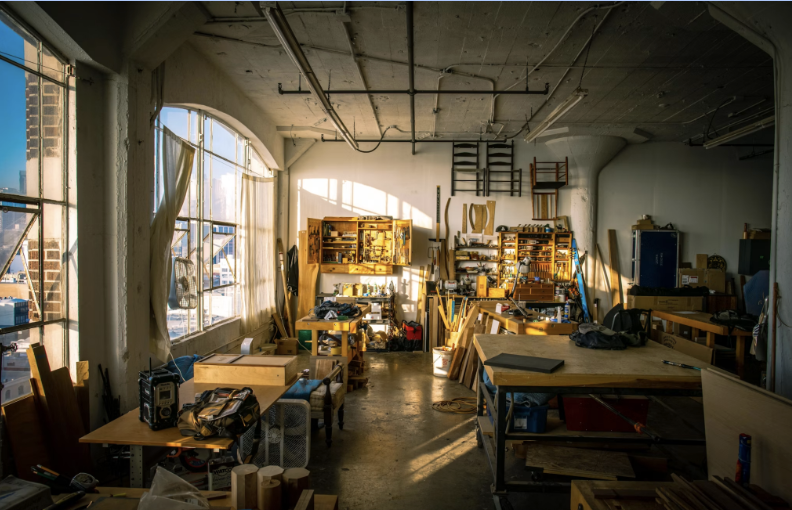
 Your small business is finally taking off, and orders are pouring in. This clearly shows that your hard work and unique product are resonating with customers. But this success brings a new, complex challenge: keeping up with demand. Suddenly, your cozy workshop or spare-room production line feels less like a creative space and more like a bottleneck. Managing this growth well, especially in manufacturing, is the key to not just surviving but truly thriving. It’s about building systems that support expansion without losing your brand’s quality and soul.
Recognizing the Growing Pains of In-House Production
The first step in handling growth is recognizing when your current system is about to break. These signs often appear slowly before turning into big problems. You might find yourself spending more time on logistics and putting out fires than on creating or marketing your product. Are you constantly running out of raw materials? Are orders shipping late because your team can’t put them together fast enough? These are classic growing pains.
Another clear sign is a drop in quality. When you’re rushing to meet demand, quality control can be the first thing to suffer. A product that was once perfectly crafted might now have small flaws, or inconsistencies could pop up between batches. This is a dangerous path, since your reputation relies on the quality you deliver. Pay attention to customer feedback and how many returns you get. More complaints about product quality are a major red flag that your production process is strained. Burnout is also a big indicator. If you and your small team are working non-stop and still feel like you’re falling behind, your current model isn’t sustainable. Your passion project shouldn’t cost you your well-being.
To Scale or To Outsource? Making the Right Choice
When you’ve outgrown your current setup, you face a fundamental choice: invest heavily to scale up your own production, or partner with an expert to do it for you. Scaling in-house requires a significant capital investment, as you’ll need more space, more advanced equipment, and new staff to hire and train. This path gives you complete control over the entire process, which can be a major plus for keeping your brand’s unique standards. However, it also comes with substantial financial risk and a lot more management work. You become a factory manager as much as a business owner.
The alternative is to outsource your production. By using contract manufacturing services, you can tap into the expertise, equipment, and efficiency of an established producer without the massive upfront cost. A good contract manufacturer already has the infrastructure, quality control processes, and skilled labor to produce your product at scale. This lets you focus on product innovation, brand building, and connecting with your customers. The key is finding a partner who understands your vision and is committed to your quality standards. When you decide to scale manufacturing business operations, outsourcing can be a smart move that offers flexibility and reduces risk, helping your business grow faster and more sustainably.
Mastering Your Supply Chain for Smooth Sailing
As your production volume grows, so does the complexity of your supply chain. What was once a simple trip to a local supplier now involves managing multiple vendors, tracking larger quantities of raw materials, and making sure everything arrives on time. A single delay in your supply chain can halt your entire production process. To avoid this, build a strong, clear supply chain.
Start by using several suppliers. Relying on just one source for a critical part is risky. If that supplier has a problem, you have a problem. Find and check out at least one backup supplier for every essential material. Next, focus on communication. Build strong, collaborative relationships with your vendors. When they see you as a partner rather than just another customer, they’re more likely to prioritize your orders and give you a heads-up about potential disruptions. You should also set up a simple inventory management system. For example, a well-organized spreadsheet can help you track what you have, what you need, and when to order it. The goal is to avoid both running out of stock (which stops production) and having too much (which ties up your cash).
The Power of Technology in Small-Scale Manufacturing
Image Credit: Unsplash
Many affordable and user-friendly tools can help a small manufacturing business become more efficient and organized. The right technology can help you automate repetitive tasks, improve communication, and give you a clearer view of your operations. For example, instead of managing orders through a jumble of emails and notes, you could use a simple project management tool like Trello or Asana. These platforms let you create visual workflows, track each order from placement to shipment, and assign tasks to team members.
Inventory management software is another powerful tool. While a spreadsheet can work early on, dedicated software can automate reorder points, track inventory across multiple locations, and provide valuable data on sales trends. This helps you make smarter purchasing decisions and reduces the risk of human error. Similarly, cloud-based accounting software can streamline your finances, making it easier to track costs, manage invoices, and understand profitability per product. The key is to adopt technology that solves a specific problem you’re facing. Don’t chase the latest trend. Instead, choose simple, effective tools that save time and reduce stress.
Keeping Your Team Aligned as You Expand
Growth is also about people. As your team expands from just you to a handful of employees, and then beyond, keeping your company culture strong and making sure everyone is on the same page becomes a new priority. The passion and vision that were easy to share when everyone worked in the same room can get diluted as the team grows. That’s why clear communication and intentional culture-building are so important.
Start by writing down your core processes. What might be second nature to you needs to be clearly explained to a new hire. Create simple, easy-to-follow standard operating procedures (SOPs) for key production tasks. This ensures consistency and quality, no matter who is doing the work. It also makes training new employees much more efficient. Hold regular team meetings to share business updates, celebrate wins, and discuss challenges. This keeps everyone feeling connected to the bigger picture and invested in the company’s success. As you grow your manufacturing business, remember that your original team members are your greatest asset. Empower them with new responsibilities and opportunities for growth, and they will become the leaders who help you carry your vision forward.
Managing manufacturing growth is a journey of strategic decisions and continuous improvement. Anticipating challenges and building smart systems helps you scale smoothly, ensuring your business not only grows but thrives for the long term.
P.S. Before you zip off to your next Internet pit stop, check out these 2 game changers below - that could dramatically upscale your life.
1. Check Out My Book On Enjoying A Well-Lived Life: It’s called "Your To Die For Life: How to Maximize Joy and Minimize Regret Before Your Time Runs Out." Think of it as your life’s manual to cranking up the volume on joy, meaning, and connection. Learn more here.
2. Life Review Therapy - What if you could get a clear picture of where you are versus where you want to be, and find out exactly why you’re not there yet? That’s what Life Review Therapy is all about.. If you’re serious about transforming your life, let’s talk. Learn more HERE.
Think happier. Think calmer.
Think about subscribing for free weekly tools here.
No SPAM, ever! Read the Privacy Policy for more information.
One last step!
Please go to your inbox and click the confirmation link we just emailed you so you can start to get your free weekly NotSalmon Happiness Tools! Plus, you’ll immediately receive a chunklette of Karen’s bestselling Bounce Back Book!


