 A habit tip can survive a plain kitchen photo. It dies when the clip upgrades the life around the tip. Readers who keep a cue card on a scratched fridge do not trust a sudden marble counter, a stranger’s perfect smile, or a sunrise balcony they have never owned. That mismatch is why many behavior posts feel fake before anyone argues about willpower. Tools marketed around Seedance 3.0 make the failure visible fast if you treat motion as decoration instead of proof.
The useful question for a newsletter or coaching desk is narrower than “can AI make a nice video.” Can a five-second loop keep the same person, the same room, and the same small action the reader is asked to copy? If the clip invents a prettier life, the habit advice loses the room. SeedVideo is a practical place to pressure-test that honesty, because the create path forces short drafts and named reference jobs before you spend a longer render.
Why Upgraded Kitchens Break Habit Trust
Habit content sells a cue, a tiny action, and a reward the reader can reach tonight. The picture has to look reachable. When the motion pass quietly replaces the real mug with a designer set, or replaces the real face with a smoother stand-in, the reader files the tip under fantasy. They do not say the model failed. They say the coach lives in another zip code.
That is a trust cost, not a taste preference. A behavior change desk burns a week of open rates when the visual overpromises. Stock B-roll with affirmation text already taught audiences to skim. AI motion that invents appliances teaches them to bounce. The pass rule has to be blunt: if the environment looks upgraded, the draft is unusable even when the camera move is pretty.
Old Stack Costs Before Anyone Opens A Generator
The common stack is still slow in human hours. Search stock for “morning routine,” overlay a caption, add a soft music bed, and hope the face in the clip does not clash with the author’s photo in the email header. Every substitution adds a small lie. The kitchen is not theirs. The jogger is not them. The reward shot is a beach they cannot reach after work.
Teams then argue about adjectives. Make it more inspiring. The light warmer. Or make the person look committed. Those edits polish the lie. They do not restore the cue. For habit work, the expensive failure is not a soft shadow. It is a reader who cannot map the action onto their Tuesday.
Lock One Still Before Asking For Motion
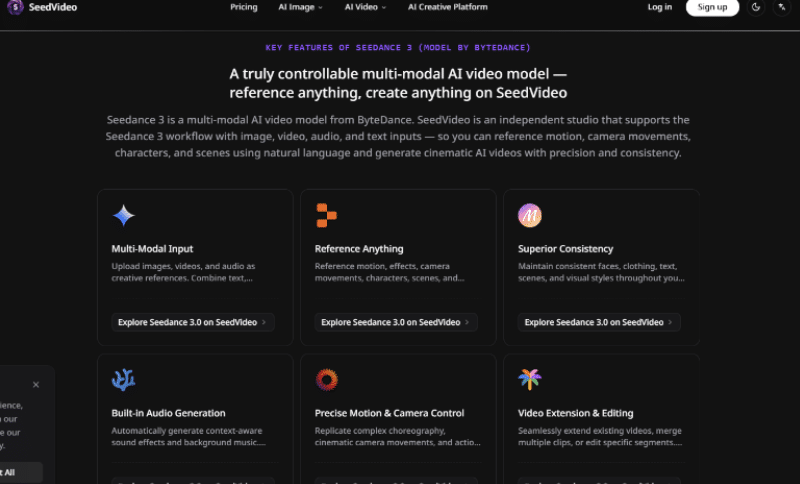
On SeedVideo, generation sits under AI VIDEO. Seedance 2 is available for runnable drafts today, while Seedance 3.0 planning pages sit beside the studio. Modes include Text to Video, Image to Video, and Reference to Video. For habit clips, Image to Video or a single-role reference pass is the safer entry, because the honest still already exists.
Guide language around a Seedance 3.0 AI Video Generator workflow is blunt about roles: give each image one job—identity, product shape, scene, style, first frame, or continuity. Habit desks should map that list ruthlessly.
- Identity: the real coach or newsletter face, if a face must appear
- Scene: the real cue environment—fridge, desk edge, sneakers by the door
- Product-shape thinking: treat the cue object as the thing that must not morph
- Style: only after the cue survives; never on pass one
One strong still usually beats a mood pack. If the fridge photo already carries the cue card, do not also upload a spa bathroom “for vibe.” The second file will pull the scene toward a life the reader does not have.
Crop The Real Cue Environment First
Export a flat photo with the cue object large in frame. Remove competing posters, half-eaten branding, and tiny legal lines if they fight the action. Competing backgrounds invite the model to invent texture and props. Habit readers notice invented props faster than marketers expect, because they are hunting for something they can copy in their own room.
Write The Brief Like A Coach Note
Write the prompt like a production note, not a motivation essay. Name subject, action, camera, scene, duration, and the reference role. Example shape: keep the uploaded kitchen as scene; keep the person as identity; slow push on the cue card; hand places the card; no new appliances; no extra logos; 5 seconds; 16:9. Put poetry later. First prove the cue is still the cue.
Pass Rules A Newsletter Desk Can Enforce
Public create defaults that show up beside a short clip—720P Resolution, 16:9 Ratio, 5s, and a visible credit preview such as 30 Credits—are a useful discipline for habit loops. Start there. Do not open with a thirty-second transformation montage when you still do not know whether the mug handle holds. Review the draft like footage, not like a brand film.
Use a fixed test protocol before anyone debates “inspiration.” Place the output beside the source still at the final crop used in the email header. Scrub once for face or hands, once for room materials, once for the cue object. If any of those three drift, the draft is discarded before you rewrite the caption. That sequence is boring on purpose. Habit desks lose hours when they reverse it and polish copy first.
| Check |
Pass signal |
Fail signal |
| Identity |
Same face or same hands across frames |
Smoother stranger, age drift, smile that never belonged |
| Scene |
Same room materials and cue placement |
New counters, new windows, spa lighting swap |
| Action |
One reachable micro-move |
Montage of five lifestyle upgrades |
| Text/objects |
Cue card stays readable or stays out |
Warped handwriting, invented brand marks |
Revise one variable at a time. If the face drifts, fix identity before you chase a prettier camera path. If the room upgrades, remove style references before you rewrite adjectives. Habit desks waste afternoons polishing inspiration copy while the still was already dishonest.
Observable scrap samples show up in ordinary tests. A scratched white fridge grows a seamless marble slab around second 3. A cue card with block letters softens into calligraphy the author never wrote. A hand placing the card gains rings and nail polish that were not in the source photo. Those are not “style upgrades.” They are proof the draft left the reader’s Tuesday, and that single discard should happen before the caption meeting starts.
Kill Invented Appliances Before Kill Soft Light
Soft light can wait. Invented appliances cannot. If a draft adds a second sink, a cleaner backsplash, or a fruit bowl that was never in the source still, scrap it for the newsletter header even if the motion feels calm. Readers map habit advice onto their actual counters. An upgraded set breaks that map. When in doubt, re-crop the still tighter on the cue object and regenerate with a shorter action line instead of stacking mood words.
Where Short Drafts Still Need A Human Pass
Short AI drafts will not replace a coach’s judgment about whether the tip is safe, kind, or true. They also will not fix a weak habit design. If the cue is vague, motion only makes the vagueness louder. Use SeedVideo to test visual honesty, then keep the human edit for caption accuracy, medical boundaries, and whether the ask fits a real Tuesday night.
Keep The Cue Honest On The Next Send
Habit media fails when it sells a renovated life. SeedVideo helps only if you treat the first still as evidence and the first five seconds as a honesty check. Lock identity and scene, write a short production brief, and kill any draft that invents nicer rooms. When the cue still looks like the reader’s week, the tip has a chance to travel.
Save the winning prompt, the single reference role, and the crop notes next to the newsletter issue. Next week’s loop should start from that package, not from a fresh pile of aspirational adjectives.
P.S. Before you zip off to your next Internet pit stop, check out these 2 game changers below - that could dramatically upscale your life.
1. Check Out My Book On Enjoying A Well-Lived Life: It’s called "Your To Die For Life: How to Maximize Joy and Minimize Regret Before Your Time Runs Out." Think of it as your life’s manual to cranking up the volume on joy, meaning, and connection. Learn more here.
2. Life Review Therapy - What if you could get a clear picture of where you are versus where you want to be, and find out exactly why you’re not there yet? That’s what Life Review Therapy is all about.. If you’re serious about transforming your life, let’s talk. Learn more HERE.
Think happier. Think calmer.
Think about subscribing for free weekly tools here.
No SPAM, ever! Read the Privacy Policy for more information.
One last step!
Please go to your inbox and click the confirmation link we just emailed you so you can start to get your free weekly NotSalmon Happiness Tools! Plus, you’ll immediately receive a chunklette of Karen’s bestselling Bounce Back Book!