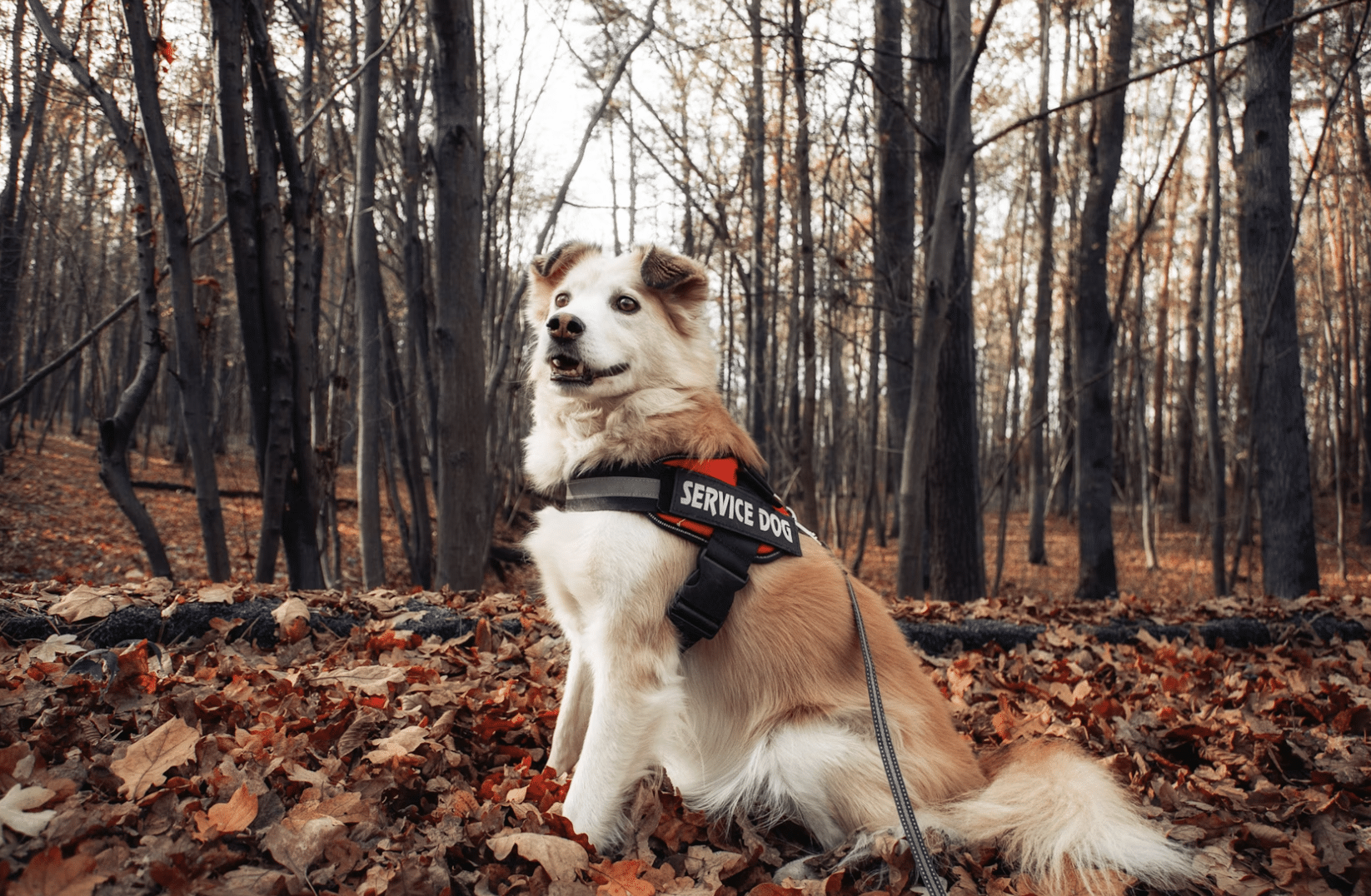
 Getting through each day with a lot of hearing loss or no hearing at all means you have to always be alert and change how you do things. A lot of the sounds that tell people what is happening around them, or warn them about danger like a fire alarm, doorbell, a baby crying, or a car going backwards—can be missed if you don’t have something to see.
Some things use light or devices that shake to let you know what is going on, and these can help in one place at a time, but they do not work the same way as a trained helper animal does. A certified hearing dog is like a person’s ears, helping alert the person to the right sounds and safely leading them to or from the source. With One paw at a time, people can feel safe knowing their hearing dog is there for them, both at home and out, one step at a time.
1. Immediate In-Home Alerting to Fire and Smoke Alarms
Home fire safety depends a lot on how fast you react. But regular sound alarms often do not wake up or let people with a lot of hearing loss know when there is danger. This can happen when they are sleeping or busy in another room.
- 24/7 Environmental Monitoring: Hearing dogs monitor the environment at all times to pick up on emergency signals at a second’s notice and regardless of whether their handler is awake or asleep.
- Specialized Hazard Responses: When a smoke alarm or carbon monoxide detector sounds, the dog contacts the alarm with one of its body parts to alert the handler that there is a hazard, and it signals to the handler by using a command to indicate it is time to evacuate.
- Technical Solutions: Devices such as strobe lights and bed shakers will not be effective unless they are in place. A hearing dog accompanies the handler in the home, alerting them to dangers promptly, wherever they are.
2. Real-Time Detection of Household Intruders and Visitors
- Doorbell and Knock Recognition: Hearing dogs act fast when they hear a knock or the doorbell. They touch their handler and guide them to the front door.
- Deterrence and Awareness: A working dog in the house helps people know when someone moves or tries to break in. This gives more safety at home.
- Streamlined Daily Interactions: Handlers do not miss packages, calls, or family who come by, because the door is watched.
3. Enhanced Spatial Awareness and Safety in Public Spaces
- Approach Traffic Warnings: Hearing dogs can spot cars, people on bikes, or others moving fast who are coming from behind or from places you can’t see. These dogs move in a way that tells their person that something is getting close.
- Sirens and Emergency Vehicles: While in public, these dogs let their person know when sirens or emergency cars are close. This helps the person move out of the way and keep safe.
- Public Access Support: Certified helper animals that learn with help from trusted groups like Paws With A Cause are trained to help their person get around busy public places. They make sure their people feel good about going out in public and that they can still go anywhere the law says they can under ADA rules.
4. Timely Response to Family and Dependent Emergencies
When one is a parent or living in an environment that has many other people, there are instances where one will not hear the sound that one should to assist someone in need.
- Baby Cry and Toddler Alerts: Hearing dogs are trained to know the sound of a crying baby or a child who is upset. They can lead parents right to where the child is.
- Call for Assistance: If someone in the family calls the handler’s name or shouts from another room, the dog helps by letting the handler know. Then, the dog takes them to the person who called.
- Medical Device Notifications: These dogs can learn to alert their handler about timers, alarms on or other care reminders.
5. Reduced Stress, Lower Anxiety, and Improved Rest
One has to be ever vigilant to observe what is going on around him/her in case he/she is not hearing anything at all. This could make one exhausted all the time. This could also make someone feel worried for a long period of time.
- Deep Sleep Restoration: When a hearing dog is there to wake someone for alarms or emergencies, handlers feel safe. They can relax and get the kind of sleep their bodies need.
- Lowering Sensory Overload: A trained partner does the job of always watching the environment. This lets handlers’ minds rest and feel less under pressure each day.
- All-in Support: Leading groups like Paws With A Cause gives hearing dog teams real help that continues after training. They check in and give support through the dog’s working years to keep these important behaviors strong.
Conclusion: Reclaiming Personal Autonomy and Peace of Mind
A hearing dog does more than just be a close friend. It acts as a safety helper that brings back a sense of what’s going on around you and helps you feel safe. A dog like this can let you know when there is a smoke alarm, a doorbell, or when things happen in busy places. It helps take away worry for those with strong hearing loss.
If you work with a group like Paws With A Cause, you get paired with a well-trained dog who fits you well and who gets support, even in the field, for their life. With this, being free, safe, and able to do more each day is something you can enjoy. It all happens One paw at a time.
FAQs
What physical cues do hearing dogs use to alert their handlers?
Hearing dogs will attempt to catch their owner’s attention through light touching. This can either be done through touching the handler’s legs with their paws or jumping against their legs lightly before guiding them towards the sound.
How do hearing dogs react to dangerous sounds like fire alarms?
Instead of taking the handler to a fire alarm, a hearing dog gives a drop signal. This means the dog drops down on the ground fast to let the handler know there is danger. When the handler sees this, they know it is time to leave right away.
Can a hearing dog be trained to recognize custom household sounds?
Yes, special trainers from Paws With A Cause plan training around the sound triggers that are found in a handler’s day and their home. They set up everything to fit the person and make it work for them.
How long does a hearing dog typically serve as a working partner?
Most hearing dogs help for 8 to 10 years before they stop working. After that, they can stay as a family pet while another dog comes to help.
P.S. Before you zip off to your next Internet pit stop, check out these 2 game changers below - that could dramatically upscale your life.
1. Check Out My Book On Enjoying A Well-Lived Life: It’s called "Your To Die For Life: How to Maximize Joy and Minimize Regret Before Your Time Runs Out." Think of it as your life’s manual to cranking up the volume on joy, meaning, and connection. Learn more here.
2. Life Review Therapy - What if you could get a clear picture of where you are versus where you want to be, and find out exactly why you’re not there yet? That’s what Life Review Therapy is all about.. If you’re serious about transforming your life, let’s talk. Learn more HERE.
Think happier. Think calmer.
Think about subscribing for free weekly tools here.
No SPAM, ever! Read the Privacy Policy for more information.
One last step!
Please go to your inbox and click the confirmation link we just emailed you so you can start to get your free weekly NotSalmon Happiness Tools! Plus, you’ll immediately receive a chunklette of Karen’s bestselling Bounce Back Book!


