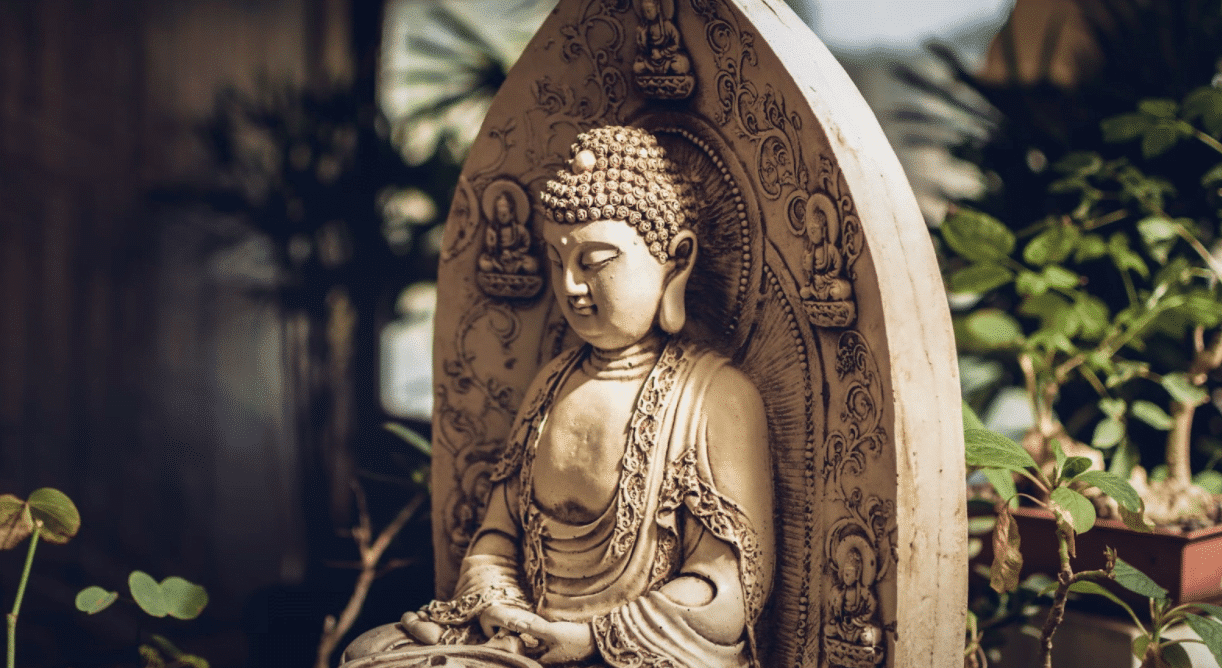
 Art is a powerful way to express ideas, feelings, and cultures. In recent years, many artists around the world have looked to Eastern aesthetics for inspiration in their work. This blend of different cultures and styles brings about a unique charm and freshness to modern figurative art.
But what does it mean to say that Eastern aesthetics influence modern art? Let’s explore how these influences create connections between different cultures and how they shape our understanding of art itself.
The Essence of Eastern Aesthetics
Eastern aesthetics primarily come from the rich traditions of countries like China, Japan, Korea, and India. Each place has its unique perspective on beauty, nature, and the human experience.
Traditional Chinese art focuses on balance and harmony. This reflects Taoist philosophy.
Japanese art reflects simplicity and natural beauty. It often highlights life’s fleeting moments, like cherry blossoms and peaceful landscapes. This approach encourages relaxation and mindfulness, inviting viewers to appreciate the present moment.
A Shift in Modern Art
Modern art has evolved significantly over the past century. Artists today often experiment with different styles, mediums, and themes. They are less confined to traditional boundaries.
Thanks to this freedom, Eastern aesthetics have found their way into the works of many contemporary artists. Western painters often use asymmetry, soft colors, and fluid forms. These elements reflect Eastern philosophies.
One transparent example can be seen in the works of American artist James Turrell. He uses light and space in a way that resonates with the contemplative qualities common in Eastern art.
He creates art that focuses on perception. This draws viewers into a meditative state. It blends Eastern tranquility with modern techniques.
Color and Mood
Color plays a crucial role in both Eastern and modern art. In Eastern traditions, colors have deep meanings and evoke specific emotions.
For example, red symbolizes good fortune and joy in Chinese culture, while white can represent purity and mourning. Today, modern artists use color associations to create works that connect emotionally with broader audiences.
Take the works of contemporary artist Yayoi Kusama. Her polka dots and bright colors offer an experience that goes beyond cultures.
She uses colors that appeal to both Eastern and Western audiences. This shows the universal nature of art and how these influences intertwine.
Nature and the Human Experience
Nature is a recurring theme in Eastern art, often portrayed with a sense of reverence and interconnectedness. This focus is key in Japanese landscape paintings.
They highlight the balance between human life and nature. Many modern artists have embraced this theme, weaving it into their figurative work.
Anish Kapoor’s sculptures often show how nature connects with human feelings. His art encourages viewers to see their surroundings differently. It deepens their understanding of nature and themselves, similar to traditional Eastern art.
The Influence of Eastern Philosophy
Eastern philosophies like Buddhism and Zen offer deep insights. They promote introspection and help individuals find inner peace.
Many modern artists blend these ideas into their work. They invite viewers to connect with their deepest thoughts and feelings. This connection to Eastern philosophies goes beyond just aesthetics; it influences how art is created and perceived.
Artists like Olafur Eliasson invite people to connect with their surroundings through immersive installations. These experiences connect to the main idea of mindfulness from Eastern thought. They let people pause and think about their place in the world.
Modern Figurative Art and Cultural Dialogue
Modern figurative art often serves as a dialogue among cultures. As artists draw inspiration from Eastern aesthetics, they create works that reflect a hybrid of ideas and methods.
This cultural exchange enriches the art world, allowing for a more profound connection among people from different backgrounds. By appreciating diverse art forms, we enhance our understanding of what it means to be human.
The art of Kehinde Wiley is an excellent example of this dialogue. His portraits reinterpret classical themes through a contemporary lens, merging African American identities with influences from global art traditions, including Eastern ones. By weaving these elements together, Wiley creates narratives that speak to the complexities of modern society.
Reimagining the Human Form
Many modern artists experiment with the human form, using it to express their understanding of identity and culture. Incorporating Eastern aesthetics into these explorations adds another layer of complexity. For instance, artists might use the fluid lines and curves found in traditional Asian sculpture to depict figures in their work.
Additionally, art forms like ceramics and textiles from Eastern traditions have influenced contemporary sculpture techniques. Artists may incorporate patterns or motifs derived from these traditions, creating a hybrid visual language that speaks to a global audience. For example, a figurative artist might create a piece that combines Western contemporary styles with traditional Japanese ceramic techniques, like raku, leading to an exciting result that honors both cultures.
Contemporary Representation
Representation in art is evolving, and Eastern aesthetics contribute to this development. Today’s artists seek to reflect diverse narratives, identities, and realities. This approach challenges old stereotypes and promotes a more inclusive understanding of the world.
Artists like Ai Weiwei challenge political and cultural narratives through their work. By merging Eastern aesthetics with modern techniques, they create pieces that question societal norms and spark conversations about identity and freedom. This influence of Eastern aesthetics provides a necessary framework to genuinely engage with contemporary issues.
The Role of Relaxation in the Artistic Experience
An essential aspect of both Eastern aesthetics and modern art is the ability to evoke relaxation in the viewer. Many forms of Eastern art encourage contemplation and tranquility, offering a space to disconnect from the busyness of daily life. This aspect is increasingly significant in our fast-paced world, where relaxation and mindfulness are critical for well-being.
For instance, art installations that focus on light, as seen in the work of artists like Dan Flavin, invite viewers to slow down and enjoy simplicity. This connection to relaxation is vital, as it aligns with Eastern principles of mindfulness and harmony. Some modern artists even create pieces, such as the exotic japanese-style sex doll, that blend the aesthetics and open discussions about intimacy and human connection in the modern world.
Art as a Bridge Across Cultures
The global influence of Eastern aesthetics on modern figurative art enriches the artistic landscape and fosters understanding among diverse cultures. Through color, nature, and philosophy, artists weave narratives that transcend boundaries. Engage with art in all its forms, and allow it to guide you on a journey of relaxation and inspiration.
Check our website for more like this.
P.S. Before you zip off to your next Internet pit stop, check out these 2 game changers below - that could dramatically upscale your life.
1. Check Out My Book On Enjoying A Well-Lived Life: It’s called "Your To Die For Life: How to Maximize Joy and Minimize Regret Before Your Time Runs Out." Think of it as your life’s manual to cranking up the volume on joy, meaning, and connection. Learn more here.
2. Life Review Therapy - What if you could get a clear picture of where you are versus where you want to be, and find out exactly why you’re not there yet? That’s what Life Review Therapy is all about.. If you’re serious about transforming your life, let’s talk. Learn more HERE.
Think happier. Think calmer.
Think about subscribing for free weekly tools here.
No SPAM, ever! Read the Privacy Policy for more information.
One last step!
Please go to your inbox and click the confirmation link we just emailed you so you can start to get your free weekly NotSalmon Happiness Tools! Plus, you’ll immediately receive a chunklette of Karen’s bestselling Bounce Back Book!


