 Parents shape their children’s habits long before those children understand the value behind them. Oral health is no exception. Healthy teeth support speech, nutrition, confidence, and overall well-being. Good care does not require complicated steps, but it does demand consistency and awareness. Small daily choices add up quickly, especially in early childhood.
Families in Tribeca often prioritize wellness, education, and preventive care. Dental health fits naturally into that mindset. Access to knowledgeable professionals and reliable information helps parents feel confident about their decisions. Children respond to calm routines and clear expectations. When parents understand what matters most, they can guide their children without confusion or stress.
Early Habits Set the Foundation
Baby teeth deserve serious attention. Primary teeth hold space for permanent teeth and help children chew comfortably. Speech development also depends on healthy early teeth. Ignoring them can lead to infections, pain, and alignment issues later.
Care should begin as soon as the first tooth appears. A soft bristled toothbrush and a light smear of fluoride toothpaste are enough for infants. Gentle brushing twice a day keeps plaque from building up. Parents should handle brushing during the earliest years, since young children lack the coordination to clean effectively. Consistency matters more than technique in the beginning.
Choosing the Right Dental Professional
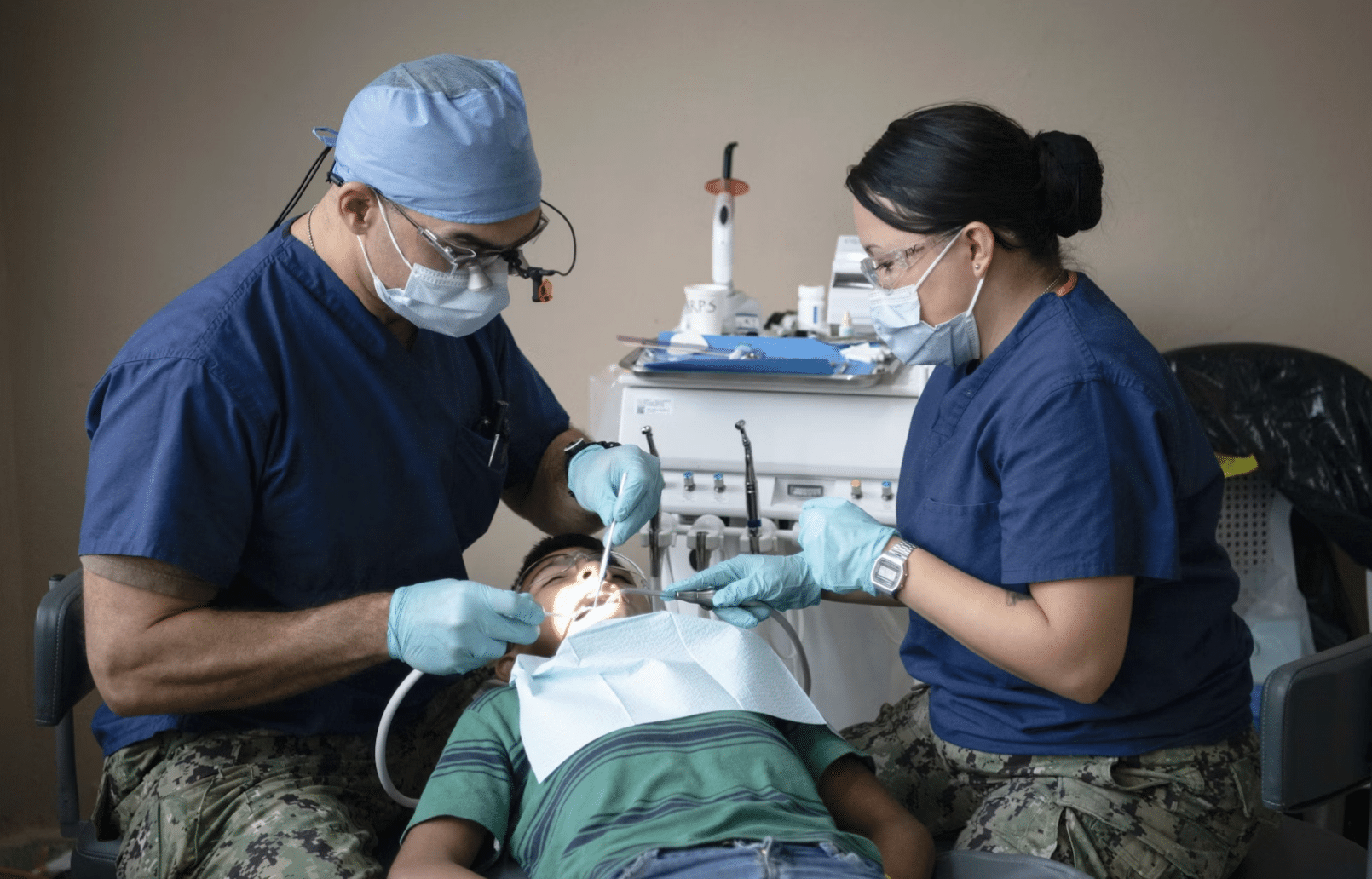
Selecting a dental provider requires thoughtful consideration. Pediatric dentists receive specialized training that focuses on children’s growth, behavior, and preventive strategies. Their offices are designed to feel welcoming rather than clinical. That environment helps children relax and cooperate during visits.
Parents should look for a provider who communicates clearly and respects their concerns. Patience and warmth make a noticeable difference. Children sense tone and body language quickly. A supportive atmosphere encourages trust. If you’re looking for a reliable pediatric dentist Tribeca offers several options known for gentle, child-focused care and expertise. Speaking with other parents can also provide valuable insight into local practices. Strong partnerships between families and dental professionals create a stable foundation for long-term oral health.
Daily Brushing and Flossing Routine
Twice daily brushing forms the core of preventive care. Morning brushing removes bacteria that accumulate overnight. Night brushing clears food particles and plaque from the day. Skipping either session increases the risk of cavities. Children under six usually need supervision. Parents should guide the toothbrush along the gumline and across every surface. A pea-sized amount of fluoride toothpaste works well for children over three. Younger children need only a thin smear.
Flossing becomes necessary once teeth begin to touch. Tight spaces trap food that brushing cannot reach. Gentle daily flossing protects those areas from decay. Calm reminders and steady encouragement help children accept the routine without resistance. Clear expectations combined with patience make the habit stick.
Smart Nutrition Choices for Strong Teeth
Food choices directly affect dental health. Sugary snacks feed bacteria that produce acids, which weaken enamel. Frequent snacking increases exposure and raises cavity risk. Sticky sweets cling to teeth and remain there longer than other foods. Water should remain the primary drink throughout the day. It rinses away debris and supports saliva production. Milk provides calcium, which strengthens developing teeth. Fresh fruits, vegetables, cheese, and yogurt offer nutrients without excessive added sugar.
Balanced meals reduce the urge for constant grazing. Structured eating times give teeth a break between acid exposure. Parents who model mindful eating often see the same behavior in their children. Good nutrition supports strong enamel and overall growth.
Preventive Dental Visits and Cleanings
Routine dental visits allow professionals to monitor development and detect concerns early. Early detection prevents small issues from turning into painful problems. Professional cleanings remove plaque that daily brushing may miss.
Dentists may recommend fluoride treatments to reinforce enamel. Sealants can protect molars, where cavities often develop. These preventive measures strengthen teeth during critical growth stages. Children who attend regular appointments become comfortable in the dental setting. Familiarity reduces anxiety and builds confidence. Preventive care saves families time and stress in the long run.
Managing Dental Anxiety in Children
Dental anxiety can begin at a young age, often triggered by unfamiliar sounds, bright lights, or uncertainty about what will happen next. Parents play a key role in shaping how children perceive these experiences. Calm explanations delivered in simple language help children feel informed rather than overwhelmed.
Preparation at home makes a noticeable difference. Reading age-appropriate books about dental visits or practicing a pretend checkup can make the experience feel predictable. Children respond well to reassurance that focuses on comfort and care. Confidence from a parent often transfers directly to the child.
Addressing Common Childhood Dental Issues
Cavities remain one of the most common concerns in childhood. They develop when plaque interacts with sugars and produces acids that weaken enamel. Early detection allows for simple treatment and prevents discomfort. Parents should watch for signs such as tooth sensitivity or visible dark spots.
Thumb sucking can influence tooth alignment if it continues beyond the early years. Gentle guidance and positive reinforcement usually help children stop the habit gradually. Patience works better than pressure. Teeth grinding may occur during sleep and sometimes relates to stress or natural growth patterns. Regular dental visits allow professionals to monitor wear and recommend solutions if necessary.
Teaching Lifelong Responsibility for Oral Health
Independence develops step by step. Young children rely fully on parental guidance, but responsibility should gradually shift as they mature. Parents can begin by allowing children to brush on their own, followed by gentle supervision to ensure thorough cleaning.
Clear expectations encourage accountability. Simple reminders about brushing, flossing, and limiting sugary snacks reinforce responsibility without creating tension. Conversations about why these habits matter help children understand the long-term value behind daily routines.
Strong oral health grows from steady habits, informed decisions, and supportive guidance. Parents who stay consistent with brushing routines, nutrition, preventive visits, and open communication provide their children with a lasting advantage. Each stage of childhood presents different challenges, yet the core principles remain simple.
Clear structure at home combined with trusted professional care creates stability. Children thrive when expectations are consistent, and encouragement is genuine. Healthy smiles reflect more than clean teeth. They reflect confidence, comfort, and long-term well-being. Parents who invest attention early help their children carry those benefits forward for years to come.
P.S. Before you zip off to your next Internet pit stop, check out these 2 game changers below - that could dramatically upscale your life.
1. Check Out My Book On Enjoying A Well-Lived Life: It’s called "Your To Die For Life: How to Maximize Joy and Minimize Regret Before Your Time Runs Out." Think of it as your life’s manual to cranking up the volume on joy, meaning, and connection. Learn more here.
2. Life Review Therapy - What if you could get a clear picture of where you are versus where you want to be, and find out exactly why you’re not there yet? That’s what Life Review Therapy is all about.. If you’re serious about transforming your life, let’s talk. Learn more HERE.
Think happier. Think calmer.
Think about subscribing for free weekly tools here.
No SPAM, ever! Read the Privacy Policy for more information.
One last step!
Please go to your inbox and click the confirmation link we just emailed you so you can start to get your free weekly NotSalmon Happiness Tools! Plus, you’ll immediately receive a chunklette of Karen’s bestselling Bounce Back Book!