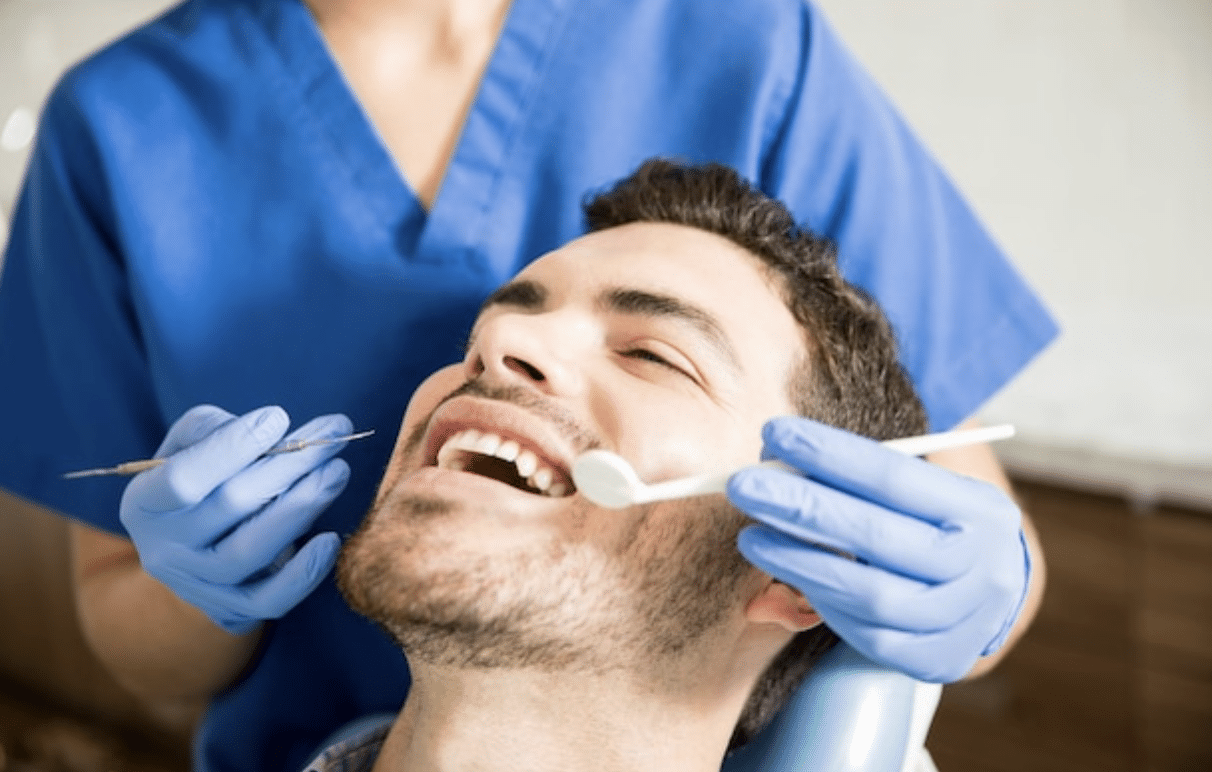
 Follow-up care supports healing after wisdom teeth removal and helps providers identify recovery concerns early. During scheduled evaluations, dental teams review surgical sites, assess comfort levels, and address long-term oral health needs.
Here is more information about the role of follow-up care after wisdom teeth removal.
Schedule Post-Operation Checkups
Scheduled postoperative visits help oral surgeons monitor healing after wisdom teeth removal and evaluate recovery at each stage. During follow-up appointments, providers examine the surgical sites, assess tissue healing, and identify whether symptoms such as soreness or swelling match normal recovery patterns. If swelling increases after the initial healing period, the provider reviews the area and recommends adjustments to eating habits or oral hygiene routines. These appointments also create a detailed healing record, allowing providers to compare tissue condition, swelling levels, and jaw movement over time.
Oral surgeons also evaluate how well the patient opens the mouth as jaw function improves during recovery. Measuring jaw movement helps determine how the procedure affected mobility and overall comfort. Persistent pain or tooth sensitivity often prompts a closer examination during postoperative care. By reviewing recovery progress at regular intervals, providers identify ongoing healing concerns; they are also able to recommend additional treatment when needed to support long-term oral health outcomes.
Track Surgical Site Healing
Providers perform structural checks to evaluate how the extraction socket heals after wisdom teeth removal. During these evaluations, they examine whether the socket is closing properly and whether gum tissue is covering the area as expected. Follow-up visits also allow providers to assess how the gum tissue edges are joining together during recovery. Tissue assessments focus on gum color, inflammation, and the formation of firmer tissue around the extraction site.
Post-surgical healing reviews also include areas where clinicians placed dissolving sutures to secure gum tissue after the procedure. Providers monitor how the sutures break down over time and evaluate whether they continue to support tissue stability and healing. These examinations also help providers assess flap closure and give patients clear guidance for cleaning around the surgical site.
Impacted teeth often require surgical tooth extraction that involves bone removal or deeper tissue dissection, making follow-up evaluations especially necessary. During later recovery visits, oral surgeons examine deeper tissue healing and review whether the surgical area continues to stabilize. These appointments also help providers assess gum tissue repair and underlying bone healing after a more complex extraction procedure.
Assess Post-Removal Discomfort
Follow-up examinations help providers track changes in pain levels after wisdom teeth removal and identify discomfort that requires closer evaluation. Pain during chewing or a return of limited jaw movement gives dental providers key information about the recovery process. Providers also review reports of jaw stiffness to identify contributing factors such as muscle strain or fatigue from surgery. Patterns of discomfort often reveal whether healing continues at a normal pace or whether recovery has slowed. By monitoring these symptoms over time, providers determine when additional examinations or treatment become necessary. Regular follow-up assessments also help providers compare current symptoms with earlier recovery findings and adjust care recommendations based on the patient’s progress.
Prepare Future Treatment Decisions
Post-removal follow-up visits help providers evaluate long-term functional changes after tooth extraction; they also determine whether additional treatment supports the patient’s oral health needs. Providers monitor extraction sites in chewing areas for shifts in jaw alignment, bite function, or surrounding bone structure. Follow-up appointments also give providers insight into how patients responded to sedation and recovery after the procedure.
Patients can discuss pain levels, discomfort, nausea, or other recovery experiences that affected their overall comfort. This information helps oral surgeons select more appropriate sedation techniques and recovery plans if future oral surgery procedures are needed. If patients later require additional extractions or implant-related treatment, providers use details from earlier recovery visits to guide treatment planning and improve patient comfort throughout the process.
Schedule Wisdom Teeth Removal Today
Comprehensive post-surgical oversight facilitates recovery after wisdom teeth removal. Prompt follow-up appointments help your surgical team detect early warning signs of complications and offer guidance throughout the recovery process. Ongoing evaluations also allow providers to track tissue healing, review changes in comfort or jaw function, and adjust recovery recommendations based on the patient’s progress. Reach out to an oral surgery office today to learn more about the recovery process after wisdom tooth extractions.
P.S. Before you zip off to your next Internet pit stop, check out these 2 game changers below - that could dramatically upscale your life.
1. Check Out My Book On Enjoying A Well-Lived Life: It’s called "Your To Die For Life: How to Maximize Joy and Minimize Regret Before Your Time Runs Out." Think of it as your life’s manual to cranking up the volume on joy, meaning, and connection. Learn more here.
2. Life Review Therapy - What if you could get a clear picture of where you are versus where you want to be, and find out exactly why you’re not there yet? That’s what Life Review Therapy is all about.. If you’re serious about transforming your life, let’s talk. Learn more HERE.
Think happier. Think calmer.
Think about subscribing for free weekly tools here.
No SPAM, ever! Read the Privacy Policy for more information.
One last step!
Please go to your inbox and click the confirmation link we just emailed you so you can start to get your free weekly NotSalmon Happiness Tools! Plus, you’ll immediately receive a chunklette of Karen’s bestselling Bounce Back Book!


