

Get A Sneak Peek at my book “Your To-Die-For Life”!
Get a FREE sneak peek! Learn how to use Mortality Awareness as a wake up call to live more boldly.


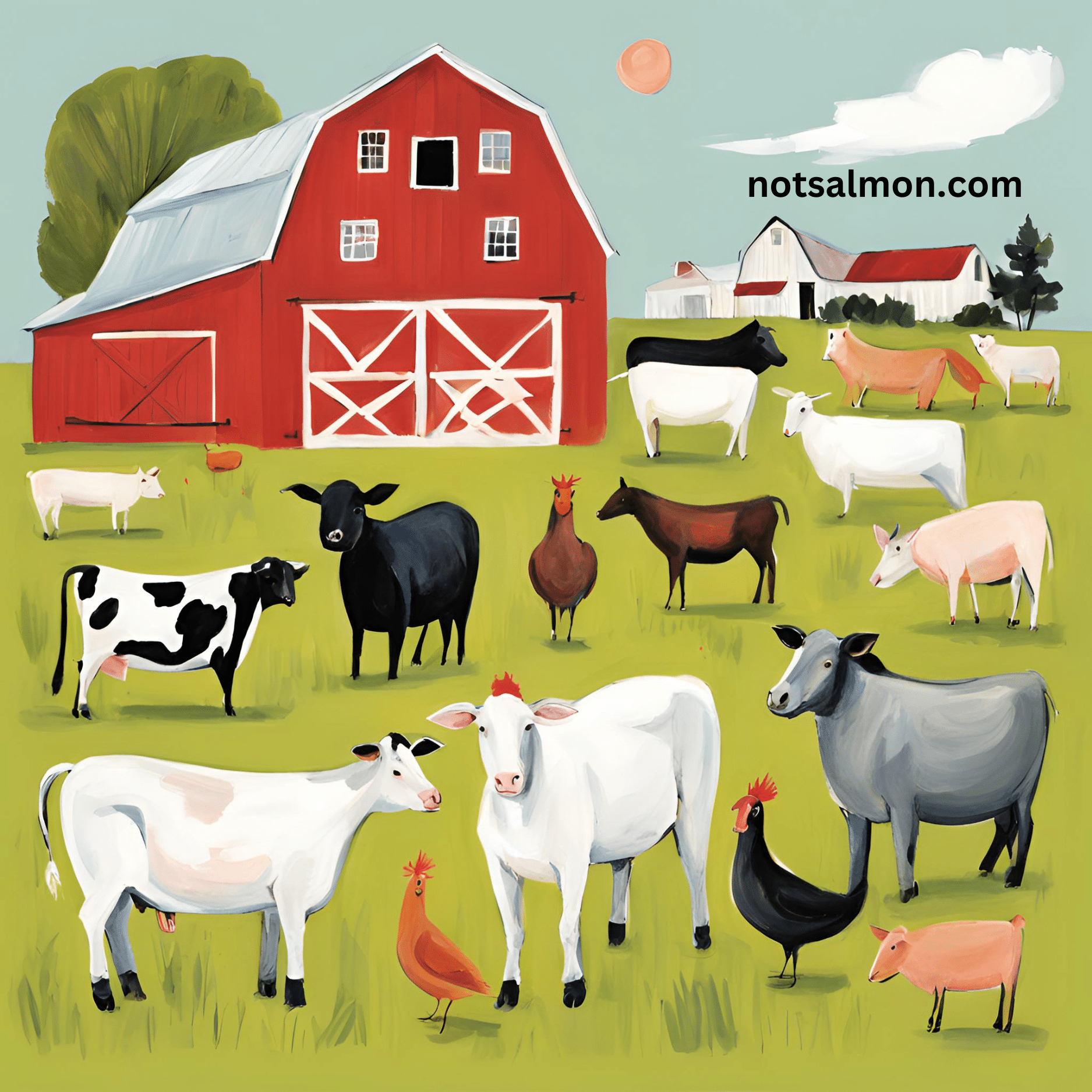 Farming is a way of life that involves hard work, dedication, and a strong connection to the land. If you want to start a farm or improve the one you have, the process can be rewarding but also tricky. You need to think about things like what crops to plant and how to manage livestock. The good news is that with the right approach and tools, you can grow not just crops but also a fulfilling lifestyle.
To succeed in farming, you need both passion and practical skills. Whether you want to grow your own food or provide fresh produce to your community, your success depends on knowledge, hard work, and the right tools. Here are some key points to help you run a successful farm.
Healthy soil is essential for any farm. It helps plants grow strong and reach their full potential. Regularly test your soil to find out what it needs, such as nutrients, organic matter, or adjustments to acidity levels. Using quality compost, organic fertilizers, and sub compact tractors can greatly improve your soil. Building soil health is not a one-time action. It’s an ongoing process that can lead to better crop quality and higher yields.
Crop rotation is also important. Changing the types of crops you plant helps maintain soil quality and reduces pest and disease pressure. Think about which plants grow well together and how to make the most of this natural system.
Water is a vital resource for any farm. Using proper irrigation techniques can help you provide a steady water supply without wasting it. You can choose options like drip irrigation, sprinkler systems, or rainwater collection. Managing water well can lead to healthier crops and bigger yields.
Make sure you understand what your plants need and adjust your watering schedule based on the weather. By managing water wisely, you set your farm up for success.
Choosing the right crops is crucial for good yields. Look at what grows well in your climate and soil, and aim for a mix that suits both your interests and market demand. Some farmers do well by focusing on a few key crops, while others like to grow a variety. Research local market needs to see what products are popular.
Seasonal crops are also important. Growing them allows you to offer fresher products and tap into niche markets. Stay aware of trends and consumer preferences to stay up to date with the market.
Having the right equipment is key to farming. Compact tractors are very useful for small to medium-sized farms. They can help with many tasks, such as plowing and moving materials. Using a compact tractor can boost productivity by letting you get more done in less time.
With compact tractors, you can manage your land more effectively. This machine allows you to perform tasks that would take longer by hand or with multiple tools. You can attach mowers, tillers, and seeders, making a compact tractor an essential tool for your farm. Its smaller size also helps you work in tight spaces, which is great for small fields or orchards.
Knowing how to market your products is just as important as growing them. Building relationships in your community can help you make regular sales and gain loyal customers. Consider selling directly at farmers’ markets, local grocery stores, or starting a CSA (Community Supported Agriculture) program. This approach can bring in income and strengthen your ties with the community.
Use social media to share what happens on your farm, promote your products, and tell your unique story. Engaging with potential customers online can create excitement that brings people to your farm. Networking with other farmers can help you share ideas, exchange tips, and support each other during tough times.
Farming is constantly changing, so it’s important to keep learning. Attend workshops, join farming groups, and read industry publications to stay up to date. Learning about new methods, technologies, and market trends helps you make good decisions on your farm.
Connect with other farmers and agricultural experts. Whether through online forums or local meetings, sharing experiences can lead to new opportunities and insights. Continuous learning not only keeps you informed but also improves your farming practices.
With the right practices, farmers build a successful farm that produces fresh food and builds relationships. Find what works best for you, and enjoy the journey.
P.S. Before you zip off to your next Internet pit stop, check out these 2 game changers below - that could dramatically upscale your life.
1. Check Out My Book On Enjoying A Well-Lived Life: It’s called "Your To Die For Life: How to Maximize Joy and Minimize Regret Before Your Time Runs Out." Think of it as your life’s manual to cranking up the volume on joy, meaning, and connection. Learn more here.
2. Life Review Therapy - What if you could get a clear picture of where you are versus where you want to be, and find out exactly why you’re not there yet? That’s what Life Review Therapy is all about.. If you’re serious about transforming your life, let’s talk. Learn more HERE.
Think about subscribing for free weekly tools here.
No SPAM, ever! Read the Privacy Policy for more information.
