 I did not start with a refund request. I started with a charge I could not place. Then I worked backward until I knew where it came from. This is a fictional first person case study based on Subdelete’s published process, not a real customer testimonial. I have left out exact amounts because there is no verified customer case behind the example.
I Started With the Charge, Not the Refund
The charge appeared on a card I use for recurring bills. I checked whether it had appeared before, and it had. Searching my email by merchant name got me nowhere at first. The product name finally led me to an old subscription account. I opened the Subdelete subscription manager only after I knew which subscription was involved.
The account was still active, which changed the problem. This was not a random transaction anymore. It was a subscription I no longer used. I checked the renewal details and saved the account information. Then I submitted the cancellation and kept the confirmation. I wanted the dates available if another charge appeared.
I Checked What Could Actually Be Refunded
Before asking for money back, I read the refund terms. Subdelete separates its own fees from charges collected by another subscription company. Its money back guarantee applies to the Subdelete fee under the conditions in its refund policy. Third party subscription charges are handled separately. Subdelete says cancellation records can help support a dispute if billing continues after cancellation. That difference mattered later.
In this fictional case, another charge appeared after cancellation was confirmed. That was when the saved records became useful. I had the cancellation date and the later card transaction. I did not have to rebuild the timeline from memory. The order of events was already clear.
I did not start with a bank dispute. First, I checked for a pending credit or message from the merchant. There was nothing. I then used the refund support process with the records I had saved. The request focused on the later charge, not on the whole history of the subscription. In this example, the merchant approved the refund.
My Timeline Was Short, but Every Step Had a Reason
First, I matched the charge to the correct subscription. Next, I confirmed the account was active and requested cancellation. I saved the confirmation instead of trusting my memory. When another charge appeared, I compared its date with the cancellation record. Then I submitted the refund request with that evidence. Only after those checks did the situation become simple.
I Kept the Refund Request Narrow
I kept the request factual. The subscription had been canceled, but another charge appeared afterward. I had records for both events. I did not spend much time explaining why I stopped using the service. That mattered for my decision, not for proving the later billing problem. Dates and confirmation were more useful.
I also checked the status instead of sending the same request again. Approval and the actual credit can happen at different times. A bank may need additional time to display the refund. Subdelete’s refund policy also says approved refunds may take time to appear on a statement. The exact timing can depend on the financial institution.
The result in this fictional example was a refund of the later charge. That should not be treated as a promise for another case. Refund outcomes depend on the facts and the company involved. Subdelete’s own guarantee has separate rules for its service fee. Knowing that kept the request realistic.
I finished with a full record of the cancellation and refund request. If another payment had appeared, I would not have started from zero. The dates and messages were already together. That made the account easier to review. It also reduced the chance of confusing one billing event with another.
What I Would Do Differently Next Time
First, I would recognize the merchant sooner. The billing name may not be what you remember at the time of signing up. Email receipts can provide the missing context. I would have more than one recent statement. A recurring charge could become familiar before I inquire if it is still there.
Second, I would be sure to keep proof of cancellation right at the beginning. Emails, screenshots, dates might seem insignificant until a billing issue arises. At that moment, those things become very valuable in building a case. It becomes much easier to obtain the refund when the timeline is documented. I would not rely on my memory once more.
Finally, I would make a distinction between cancellation and refund. Cancellation deals with future events. Refund deals with the already collected amount. They might belong to the same case, but that doesn’t make both requests the same.
I would not call an unfamiliar charge unauthorized before checking it. In this case, the original payment came from a real subscription. The refund issue began only after billing continued beyond cancellation. Verifying that first made the later request more accurate. It also prevented a valid earlier payment from being mixed into the dispute.
The money coming back was useful, but that was not the only lesson. The subscription had stayed active because I stopped paying attention to it. Finding the charge forced me to check the account and document the cancellation. The refund request was easier because the sequence was recorded. Next time, I would rather catch the renewal before there is anything to recover.
P.S. Before you zip off to your next Internet pit stop, check out these 2 game changers below - that could dramatically upscale your life.
1. Check Out My Book On Enjoying A Well-Lived Life: It’s called "Your To Die For Life: How to Maximize Joy and Minimize Regret Before Your Time Runs Out." Think of it as your life’s manual to cranking up the volume on joy, meaning, and connection. Learn more here.
2. Life Review Therapy - What if you could get a clear picture of where you are versus where you want to be, and find out exactly why you’re not there yet? That’s what Life Review Therapy is all about.. If you’re serious about transforming your life, let’s talk. Learn more HERE.
Think happier. Think calmer.
Think about subscribing for free weekly tools here.
No SPAM, ever! Read the Privacy Policy for more information.
One last step!
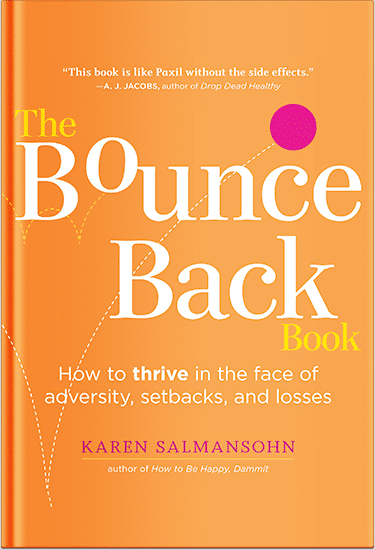
Please go to your inbox and click the confirmation link we just emailed you so you can start to get your free weekly NotSalmon Happiness Tools! Plus, you’ll immediately receive a chunklette of Karen’s bestselling Bounce Back Book!