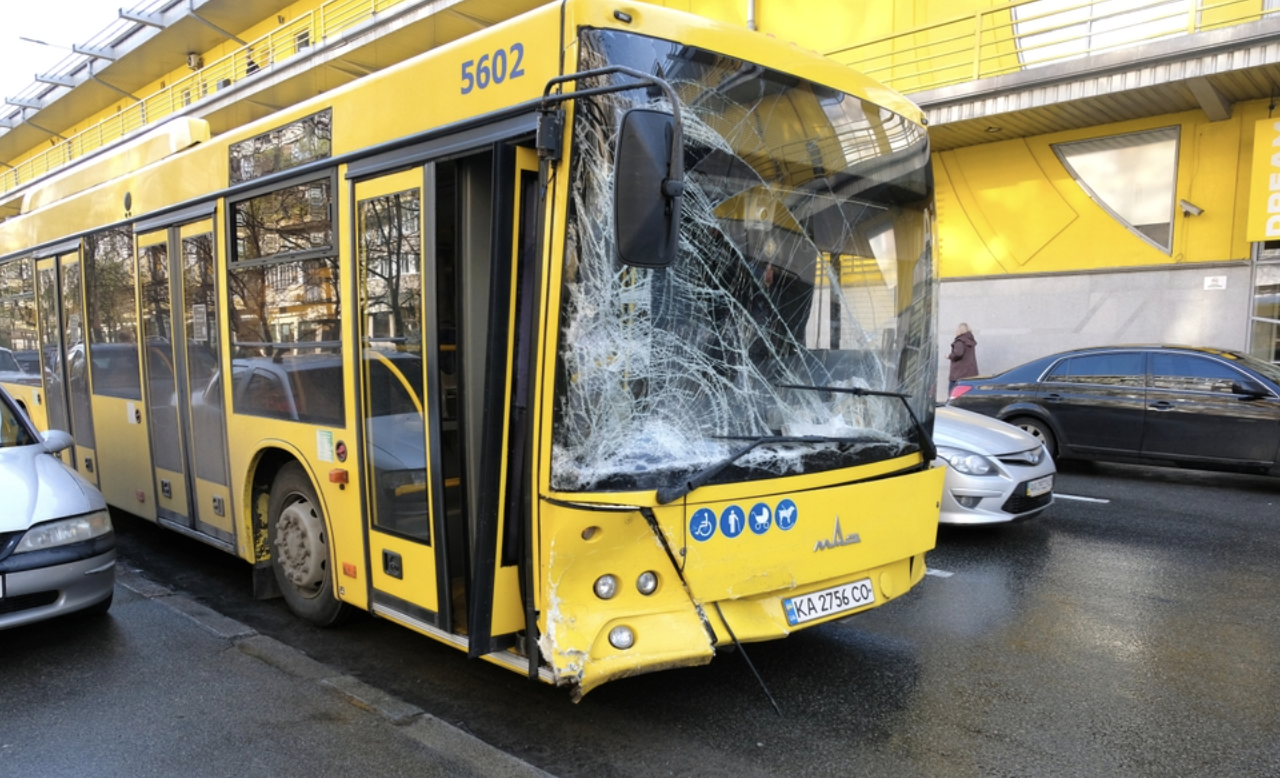
 A bus accident can turn an ordinary commute into a chain of unexpected expenses and difficult decisions. Medical treatment may be only the beginning, with victims potentially dealing with lost income, ongoing care, and other financial setbacks. Understanding compensation after a bus accident can help victims recognize which losses may be considered and why documenting them from the outset matters.
From the first medical visit to gathering accident records and preserving proof of what happened, each piece of information can help establish the full impact of a collision. Knowing what to document and how different losses may factor into a compensation claim can give victims a clearer path forward during an already challenging time.
Why Evidence Plays a Major Role After a Bus Accident
Bus accidents can involve complicated situations because more than one party may be connected to the incident. A bus driver, transportation company, maintenance provider, or insurance company may all become part of the investigation. Determining who is responsible requires reliable information.
Evidence helps explain important questions about the accident, such as:
- How did the crash happen?
- Was a safety rule ignored?
- Did poor maintenance contribute to the accident?
- Were injuries caused by the collision?
- What financial losses resulted from the accident?
Clear proof allows a claim to be reviewed based on facts instead of assumptions. It can also help prevent disagreements about what occurred.
Important Evidence That Can Support a Compensation Claim
Details Collected From the Accident Scene
The accident location often contains valuable information that may help explain the cause of the crash. Photos and videos taken after the accident can capture road conditions, vehicle damage, traffic signals, and other details that may not be available later.
Useful accident scene evidence may include:
- Images of the bus and other vehicles involved
- Pictures of road damage or unsafe conditions
- Weather and visibility conditions
- Information about traffic signs or signals
- Notes about how the accident occurred
These details can help create a clearer timeline and show factors that may have contributed to the collision.
Medical Records Showing the Impact of Injuries
Medical documentation is one of the most important forms of evidence in a bus accident claim. A person’s injuries may affect their health, ability to work, and daily activities. Medical records provide proof of the treatment received and the connection between the accident and the injuries.
Important records may include:
- Emergency room reports
- Doctor evaluations
- Treatment plans
- Rehabilitation records
- Medical bills and related expenses
Keeping complete medical information helps show the seriousness of the injuries and the costs associated with recovery.
Witness Information and Official Reports
People who saw the accident happen can provide valuable details about the events leading up to the crash. Their statements may help confirm how the accident occurred and support a victim’s account.
Police reports and official accident records can also provide useful information. These documents may include observations from authorities, details about the location, and information collected during the investigation.
How Evidence Helps Establish Liability and Damages
A successful compensation claim requires proof of both responsibility and the losses caused by the accident. Evidence can help show whether negligence played a role in the crash.
For example, evidence may reveal issues such as:
- A driver failing to follow traffic rules
- A company not maintaining the bus properly
- Unsafe operating practices
- Poor decisions that increased accident risks
Evidence is also important for showing damages. Compensation may involve medical expenses, lost wages, reduced earning ability, and other costs linked to the accident.
People seeking compensation after a crash should understand that strong documentation can make their claim easier to evaluate. Bus accident attorneys often review available evidence carefully to determine how it supports a victim’s legal position and financial losses.
Challenges in Collecting and Protecting Accident Evidence
Gathering evidence after a bus accident can become more difficult as time passes. When important records, statements, or other details are unavailable, victims may face additional challenges when pursuing compensation after a bus accident. Acting promptly can help preserve information that may be useful for demonstrating what happened and documenting the resulting losses.
Common challenges include:
- Missing surveillance footage
- Limited witness availability
- Disputes about how the accident occurred
- Insurance companies questioning the extent of damages
- Difficulty accessing transportation records
Taking early steps to preserve information can help protect important details. Keeping copies of medical documents, photographs, accident reports, bills, and other relevant records can provide valuable support when documenting losses and seeking compensation.
How Legal Support Can Help Preserve Important Information
Handling a bus accident claim involves more than collecting documents. It requires reviewing evidence, understanding legal requirements, and presenting information in a way that clearly explains the impact of the accident.
Legal professionals can assist by:
- Investigating accident circumstances
- Reviewing available records
- Communicating with insurance providers
- Identifying additional evidence needed
- Helping victims understand their available options
Having proper guidance can help accident victims avoid mistakes that may weaken their claims. Every accident has different facts, so a careful review of evidence is important before making decisions about compensation.
Moving Forward After a Serious Bus Accident
A serious bus accident can create many challenges, but having strong evidence can help victims present a clearer picture of their losses and the impact of their injuries. Proper documentation, including medical records, accident reports, and other supporting details, can play an important role in seeking appropriate compensation.
Every claim is different, and the right approach depends on the facts surrounding the accident. If you or someone close to you has been affected by a bus accident, speaking with a legal professional can help you understand t
P.S. Before you zip off to your next Internet pit stop, check out these 2 game changers below - that could dramatically upscale your life.
1. Check Out My Book On Enjoying A Well-Lived Life: It’s called "Your To Die For Life: How to Maximize Joy and Minimize Regret Before Your Time Runs Out." Think of it as your life’s manual to cranking up the volume on joy, meaning, and connection. Learn more here.
2. Life Review Therapy - What if you could get a clear picture of where you are versus where you want to be, and find out exactly why you’re not there yet? That’s what Life Review Therapy is all about.. If you’re serious about transforming your life, let’s talk. Learn more HERE.
Think happier. Think calmer.
Think about subscribing for free weekly tools here.
No SPAM, ever! Read the Privacy Policy for more information.
One last step!
Please go to your inbox and click the confirmation link we just emailed you so you can start to get your free weekly NotSalmon Happiness Tools! Plus, you’ll immediately receive a chunklette of Karen’s bestselling Bounce Back Book!


