

Get A Sneak Peek at my book “Your To-Die-For Life”!
Get a FREE sneak peek! Learn how to use Mortality Awareness as a wake up call to live more boldly.


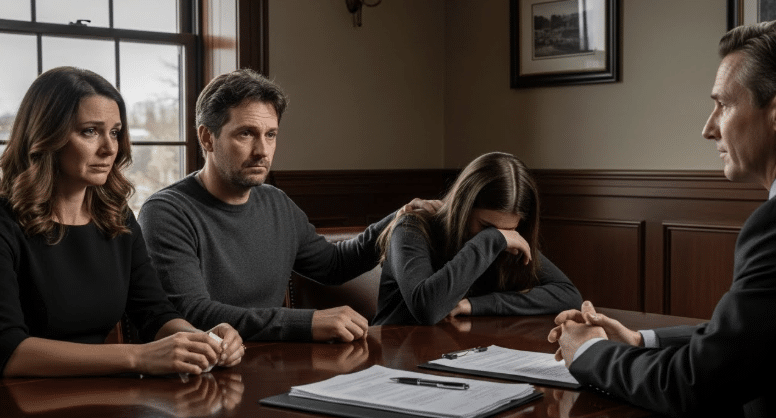 Wrongful death litigation often starts with one painful question: who could have prevented the loss? The legal answer is rarely simple. A fatal event may be a result of delayed treatment, unsafe staffing, faulty equipment, weak supervision, or reckless driving.
Courts examine duty of care, causation, records, and risk control. Families benefit when the case is framed early, because establishing liability usually becomes more straightforward once facts are organized.
Liability becomes more difficult to prove when several acts feed the same fatal outcome. One driver may ignore a signal, a contractor may skip maintenance, and a supervisor may overlook an obvious hazard. A wrongful death lawyer in Las Vegas can examine crash mapping, repair histories, witness accounts, and internal reports. This review can reveal how these separate failures interconnected and why more than one defendant may be held responsible for the death.
Every case hinges on establishing duty of care. Physicians owe competent care. Property owners must address hazards. Carriers must inspect vehicles, train staff, and follow safety rules.
A breach of duty occurs when an individual’s conduct falls below what ordinary caution or professional standards require. Judges question whether a safer alternative could have been implemented before the fatal event. Clear evidence on that point often influences settlement value and trial posture.
Causation is typically the most challenging aspect. Defense counsel may acknowledge negligent behavior while disputing the medical connection to death. They often cite prior illnesses, secondary injuries, delayed diagnoses, or pre-existing health issues. Plaintiffs must connect the wrongful act to the loss through records, witness accounts, and expert testimony. Courts require a reliable chain of events that connects the breach to the fatal outcome.
Treatment records, death certificates, imaging results, dispatch logs, black box data, payroll files, and inspection reports are all important. Human testimony is also significant; eyewitnesses, staff members, and specialists provide insights into timing and decision-making.
Delays in obtaining this information can weaken the case. Video may be erased, machines repaired, and memories altered after repeated interviews or pressure from insurers.
Business defendants may be directly at fault for hiring practices, poor training, inadequate staffing, or unsafe internal policies. They may also be held liable for employee conduct during assigned work. Those theories are different. One examines the company’s own choices, while the other asks whether the worker acted within the scope of their job when the fatal event occurred. Effectively presenting both arguments can broaden the available evidence and increase the pressure for resolution.
Hospital cases often involve layered responsibility. A physician may miss warning signs, a nurse may fail to escalate declining vital patterns, and an institution may permit unsafe coverage ratios. Liability hinges on control, medical records, communication, and accepted clinical practices. Expert testimony is central here. Jurors need help linking bedside decisions with documented changes and the physiological path that ultimately resulted in death.
Damages extend beyond funeral expenses. Courts may take into account lost earnings, medical bills, household labor, and the value of a relationship cut short. In some cases, punitive damages may be awarded where the conduct demonstrates extreme disregard for human safety. Financial evidence must be grounded in facts. Inflated requests can erode credibility, while missing figures may result in substantial losses being excluded from the final recovery request or verdict.
Families generally have two years from the date of death to file suit, but this deadline can vary depending on the state. Additionally, this period can pass quickly, and obtaining records from hospitals, employers, police agencies, and insurers takes time. Delays can compromise the integrity of the evidence. Attorneys at Ace Law Group can help families preserve evidence, identify every defendant, and avoid filing errors.
Liability in wrongful death litigation rarely hinges on one fact alone. Courts examine conduct, timing, supervision, records, and the medical or physical link between each act and the loss. Where several parties are involved, careful analysis becomes essential. Families should work with lawyers who can conduct investigations early and preserve evidence. Those steps can clarify fault and support a stronger path to recovery.
P.S. Before you zip off to your next Internet pit stop, check out these 2 game changers below - that could dramatically upscale your life.
1. Check Out My Book On Enjoying A Well-Lived Life: It’s called "Your To Die For Life: How to Maximize Joy and Minimize Regret Before Your Time Runs Out." Think of it as your life’s manual to cranking up the volume on joy, meaning, and connection. Learn more here.
2. Life Review Therapy - What if you could get a clear picture of where you are versus where you want to be, and find out exactly why you’re not there yet? That’s what Life Review Therapy is all about.. If you’re serious about transforming your life, let’s talk. Learn more HERE.
Think about subscribing for free weekly tools here.
No SPAM, ever! Read the Privacy Policy for more information.
