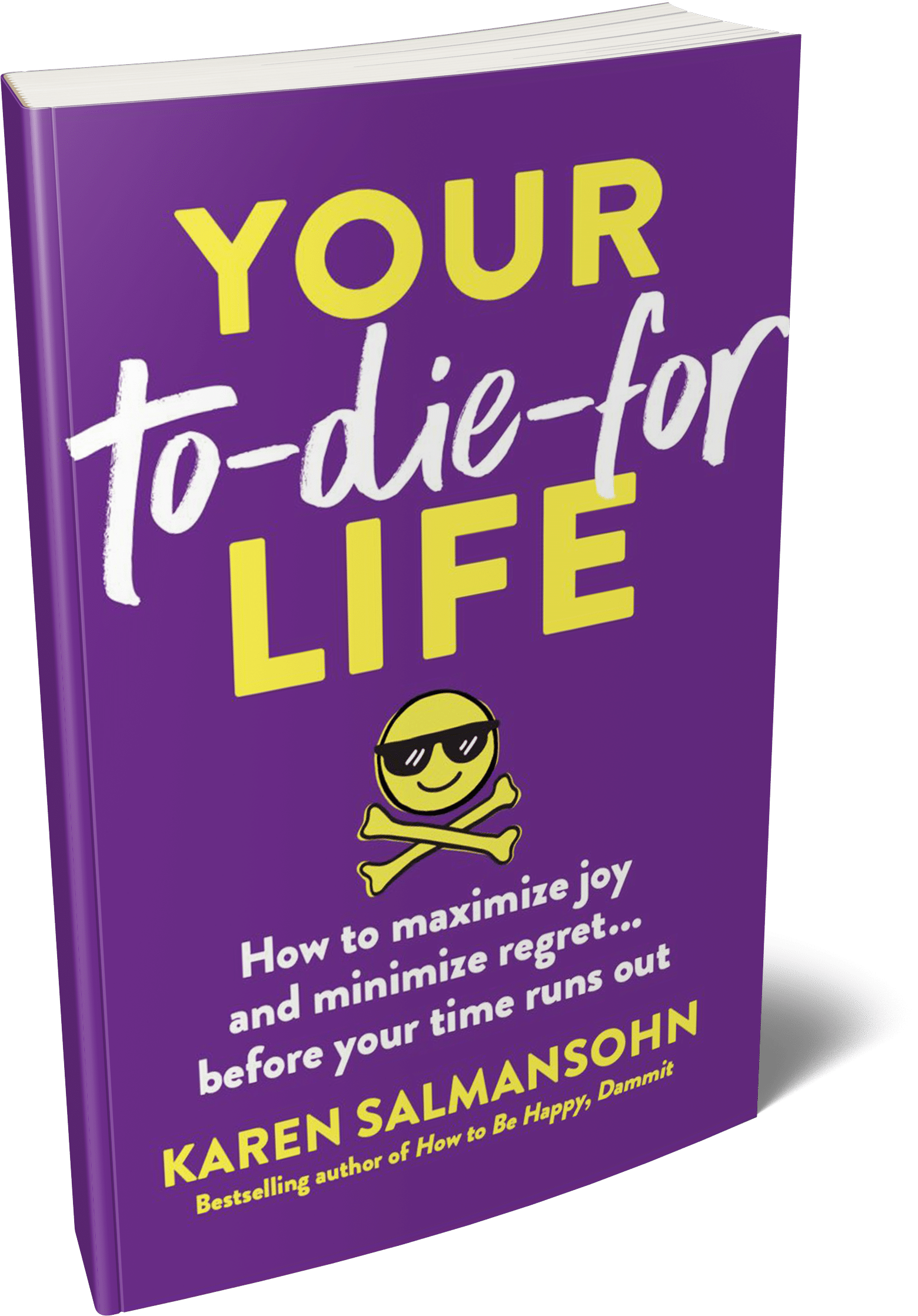

Get A Sneak Peek at my book “Your To-Die-For Life”!
Get a FREE sneak peek! Learn how to use Mortality Awareness as a wake up call to live more boldly.


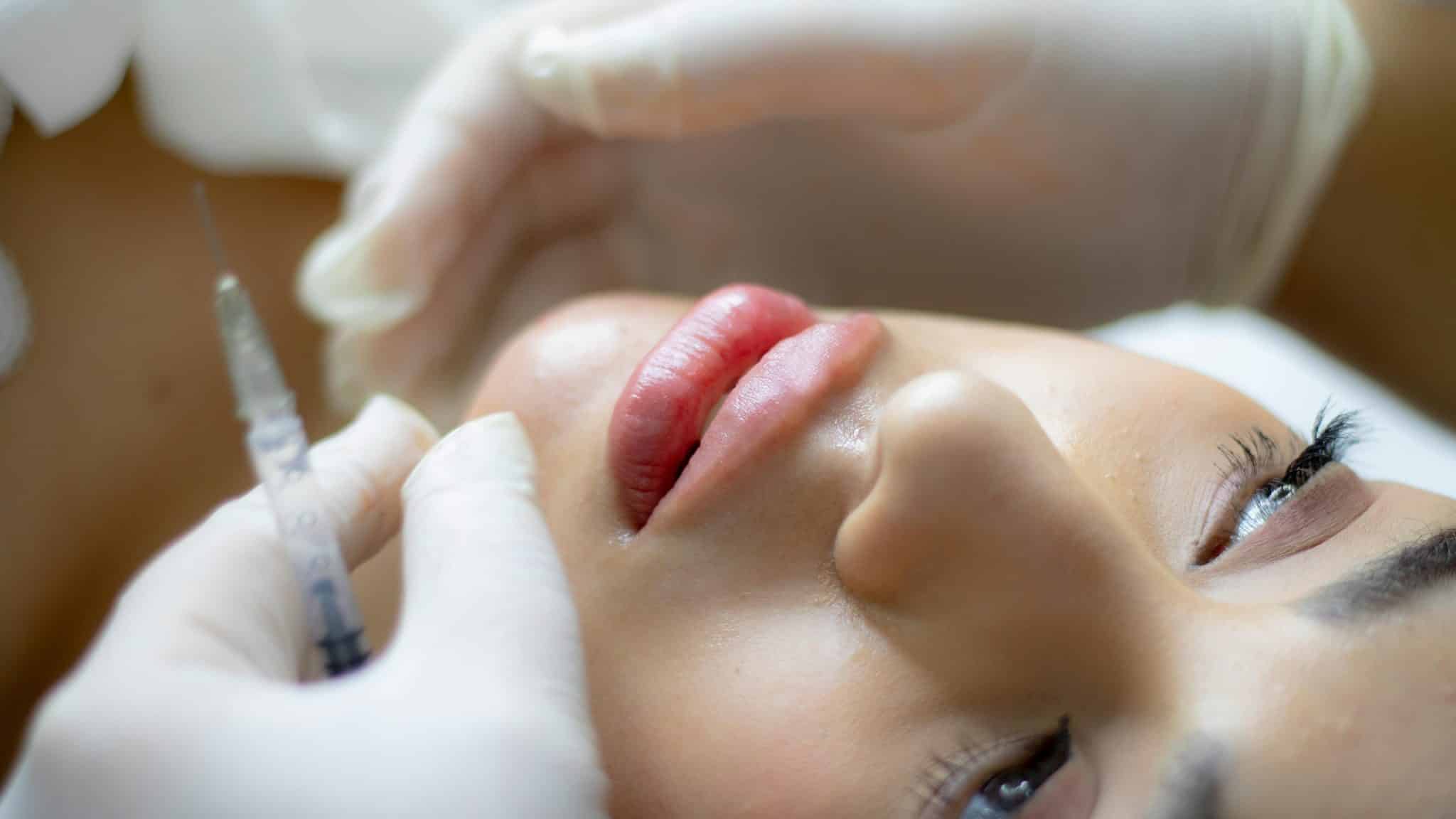 Plastic surgery can be a safe option for many people, but that does not mean it comes without risks. Any procedure involving surgery or anesthesia requires careful planning, and cosmetic procedures are no different. For people considering plastic surgery in Tysons Corner, understanding how those risks are managed can be just as important as thinking about the result.
The key is not to look for a promise of zero risk. No responsible surgeon can make that promise. Instead, patients should look at the factors that can make a procedure safer, from the surgeon’s training and the surgical facility to the medical evaluation that happens before the operation.
Here are five things worth understanding about the safety of plastic surgery before making a decision.
The risks vary depending on the procedure. A facelift, breast augmentation, liposuction, or eyelid surgery will involve different parts of the body and therefore have different potential complications.
Some risks are common across many operations. These can include bleeding, infection, blood clots, reactions to anesthesia, poor wound healing, scarring, and changes in sensation. Some patients may also need additional treatment or revision surgery if a complication occurs or if the result does not develop as expected.
Patients should understand the potential risks and complications of their specific procedure before giving consent. A proper discussion should cover more than a list of scary possibilities. Your surgeon should explain which risks are relevant to your procedure and what steps are taken to reduce them.
Your personal health matters too. Previous surgeries, medical conditions, medications, allergies, smoking, alcohol use, and supplements can all affect surgical planning. This is why being completely honest about your health history is an important part of staying safe.
The surgeon you choose has a major role in how your procedure is planned and performed. One of the first things to check is whether the surgeon has appropriate plastic surgery training and board certification.
The ASPS surgeon directory explains that membership requires surgeons to meet specific training and certification requirements, including certification by the American Board of Plastic Surgery or an accepted equivalent for applicable members.
When evaluating a plastic surgeon Tysons Corner, look beyond general claims about experience. Ask about board certification, surgical training, experience with the procedure you want, and how often the surgeon performs it. You can also ask where the operation will take place and who will administer your anesthesia.
For example, Coleman Brown Plastic Surgery provides information about board certification, surgical training, and experience on its practice website. Those are the kinds of details patients can independently review when researching a surgeon before scheduling a consultation. Those qualifications do not guarantee a particular outcome. They do, however, give patients concrete information to consider when comparing their options.
It is easy to focus entirely on the surgeon and forget about the facility where the operation will actually happen. That can be a mistake.
A suitable surgical facility should have appropriate equipment, trained personnel, proper monitoring, and a clear plan for handling complications. This becomes particularly important when a procedure involves general anesthesia or deeper sedation.
Data on more than one million surgeries performed in accredited outpatient facilities show lower rates of morbidity and mortality than non-accredited facilities. Accreditation also involves standards for operating room safety, equipment, personnel, anesthesia, and emergency planning.
Before surgery, ask where your procedure will be performed and whether the facility is accredited or properly licensed. You can also ask what happens if you experience a complication that requires hospital treatment. These questions may feel overly cautious, but they are reasonable questions to ask before undergoing an elective operation.
Safety starts well before you enter the operating room. A proper preoperative assessment gives your surgeon a chance to identify health factors that could affect the procedure or recovery.
The ASPS recommends a full medical history before surgery requiring sedation or general anesthesia, including information about previous surgeries, medical conditions, allergies, medications, supplements, tobacco, alcohol, and other drug use. Your surgeon should also discuss the procedure itself, expected recovery, possible complications, and any instructions you need to follow beforehand. Depending on the operation and your health, this may include changing certain medications or stopping smoking before surgery.
This consultation is also your chance to ask questions. What symptoms are normal after surgery? Which ones require a call to the office? How much help will you need at home? When can you return to work or exercise? The answers help you prepare for recovery rather than treating it as an afterthought.
There is another part of safety that gets less attention: knowing what surgery can and cannot accomplish. A procedure may improve a feature you dislike, but it cannot guarantee perfection or make your appearance exactly match a photograph. Your anatomy, skin quality, healing process, and other individual factors all influence the final result.
A good consultation should therefore include an honest discussion about your goals. Your surgeon should be willing to explain when a procedure may not produce the change you expect or when another approach could make more sense.
It is also reasonable to take time before committing. Cosmetic surgery is elective, so you do not have to make a decision simply because you have completed a consultation.
Plastic surgery can be performed safely for many patients, but good outcomes depend on more than the operation itself. The surgeon’s qualifications, the surgical facility, your health, the planning process, and your expectations all play a role.
Do your research, ask direct questions, and make sure you understand both the benefits and possible complications before moving forward. A responsible practice should be comfortable having that conversation with you.
P.S. Before you zip off to your next Internet pit stop, check out these 2 game changers below - that could dramatically upscale your life.
1. Check Out My Book On Enjoying A Well-Lived Life: It’s called "Your To Die For Life: How to Maximize Joy and Minimize Regret Before Your Time Runs Out." Think of it as your life’s manual to cranking up the volume on joy, meaning, and connection. Learn more here.
2. Life Review Therapy - What if you could get a clear picture of where you are versus where you want to be, and find out exactly why you’re not there yet? That’s what Life Review Therapy is all about.. If you’re serious about transforming your life, let’s talk. Learn more HERE.
Think about subscribing for free weekly tools here.
No SPAM, ever! Read the Privacy Policy for more information.
