
Get A Sneak Peek at my book “Your To-Die-For Life”!
Get a FREE sneak peek! Learn how to use Mortality Awareness as a wake up call to live more boldly.


 You probably don’t think much about your mouth until something hurts, costs money, or makes you hide your smile in photos. Fair. Dental health in Longmont often gets treated like background maintenance, right up until it barges into the foreground. The tricky part is that your teeth and gums affect more than appearances. They shape how you eat, speak, sleep, and even how confident you feel walking into school, work, or a first date. Getting the basics right early can save you a lot of pain, stress, and wallet damage later.
Your mouth is not a separate side quest from the rest of your body. It’s connected to everything. When your gums are inflamed or your teeth are neglected, the effects can spill into daily life in annoying and expensive ways.
You might notice bad breath that won’t quit, sensitivity when you drink something cold, or bleeding gums when you brush. Those small signs can point to bigger issues like decay or gum disease. Left alone, they tend to level up, and not in a fun gaming way.
There’s also the confidence factor. If you’re constantly thinking about stained teeth, pain, or a chipped tooth, it changes how you talk and smile. That can affect school presentations, job interviews, and social situations more than people admit.
Oral health also matters because prevention is cheaper than repair. A routine cleaning costs a lot less than a crown, root canal, or emergency visit. The boring basics usually win. In dentistry, boring is often beautiful.
Dental visits are one of those things people postpone until there’s a problem. That strategy usually backfires. A checkup can catch tiny issues before they become dramatic, painful, and expensive.
During a routine visit, a dental team looks for cavities, gum inflammation, enamel wear, bite issues, and signs of grinding. Professional cleanings remove tartar that brushing at home can’t handle. Even if your teeth feel fine, problems can still be developing quietly.
If you’re looking for a dentist Longmont has several trusted professionals who can help make preventive care feel more comfortable, convenient, and easier to keep up with. That matters because convenience and comfort often decide whether you actually go.
A good checkup schedule depends on your needs, but many people benefit from visits every six months. If you have braces, gum issues, frequent cavities, or a habit of grinding your teeth, you may need more frequent care. Early action almost always beats dental drama.
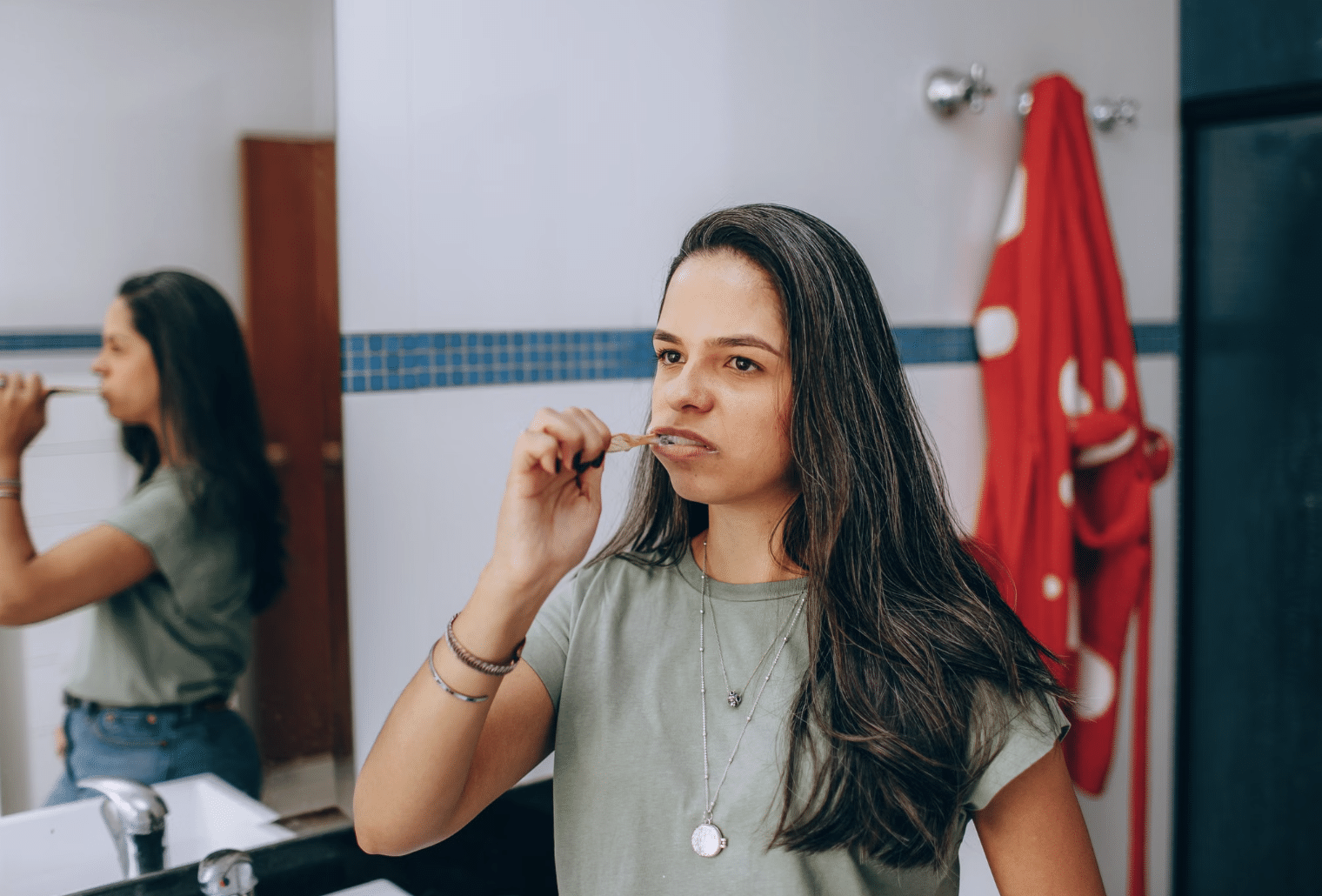
A solid routine doesn’t need to be complicated, expensive, or TikTok-approved. It needs to be consistent. The gold standard starts with brushing twice a day for two full minutes using fluoride toothpaste. Not a quick 23-second scrub while checking your phone.
Flossing once a day matters too. Your toothbrush can’t properly clean the tight spaces between teeth, which means plaque gets to hang out there like an unwanted guest. If string floss feels awkward, floss picks or water flossers can help.
A useful routine usually includes:
– Brushing every morning and night
– Flossing once each day
– Replacing your toothbrush or brush head every three months
– Drinking more water, especially after sugary snacks
– Limiting frequent sipping of soda, juice, or sports drinks
You don’t need perfect habits. You need repeatable ones. If you wear aligners, a retainer, or a mouthguard, clean those too. Bacteria love neglected gear. Keeping your routine simple makes it easier to stick with when life gets busy.
You already know candy can cause cavities. The sneakier troublemakers are often the things people think are harmless. Sports drinks, energy drinks, sweet coffee, flavored sparkling water, dried fruit, and constant snacking can all create a steady acid attack on your teeth.
It’s not only about sugar quantity. Timing matters. If you sip a sugary drink over two hours, your teeth stay exposed much longer than if you drank it with a meal. Frequent snacking keeps your mouth from getting a break, and saliva never gets the chance to do cleanup duty.
A few smart swaps can help a lot:
– Choose water more often than acidic drinks
– Eat crunchy fruits and vegetables like apples and carrots
– Pair sweets with meals instead of grazing all day
– Chew sugar-free gum after eating if you can’t brush
– Wait about 30 minutes to brush after acidic drinks
You don’t need to fear every snack. You just need to stop giving plaque a full-time job.
Some dental issues don’t scream for attention right away. They whisper first. That makes them easy to ignore, especially if you’re busy or hoping the problem magically disappears. Teeth, sadly, are not known for self-repair.
Watch out for warning signs like:
– Bleeding gums when brushing or flossing
– Persistent bad breath
– Sharp pain with hot, cold, or sweet foods
– Jaw soreness or headaches in the morning
– A loose tooth or receding gums
– White or dark spots on teeth
Grinding is another big one. Lots of people clench or grind in their sleep and don’t realize it until they wake up with jaw pain or cracked enamel. Stress often plays a role, because apparently your molars enjoy joining the group chat.
Don’t wait for severe pain before you act. By that point, the fix is often bigger than it needed to be. Small symptoms are useful information, not background noise.
The hardest part of oral health is not knowing what to do. It’s doing it consistently when you’re tired, distracted, or running late. Habit design helps more than motivation.
Start by attaching dental care to routines you already have. Brush right after your morning shower or before charging your phone at night. Keep floss where you’ll see it, not buried in a drawer behind mystery lotion from 2021.
A few practical ways to stay on track:
– Set a two-minute timer when you brush
– Use a habit tracker or phone reminder
– Keep a travel toothbrush in your backpack or locker
– Schedule dental appointments before leaving the office
– Ask about sealants, fluoride treatments, or night guards if needed
If you have younger siblings or kids in your life, model the habits instead of lecturing about them. People copy what they see.
Good oral health is less about chasing a perfect smile and more about protecting your comfort, confidence, and long-term health. Take care of your mouth now, and future you won’t have to spend a random Tuesday dealing with a tooth that decided to become the main character.
P.S. Before you zip off to your next Internet pit stop, check out these 2 game changers below - that could dramatically upscale your life.
1. Check Out My Book On Enjoying A Well-Lived Life: It’s called "Your To Die For Life: How to Maximize Joy and Minimize Regret Before Your Time Runs Out." Think of it as your life’s manual to cranking up the volume on joy, meaning, and connection. Learn more here.
2. Life Review Therapy - What if you could get a clear picture of where you are versus where you want to be, and find out exactly why you’re not there yet? That’s what Life Review Therapy is all about.. If you’re serious about transforming your life, let’s talk. Learn more HERE.
Think about subscribing for free weekly tools here.
No SPAM, ever! Read the Privacy Policy for more information.