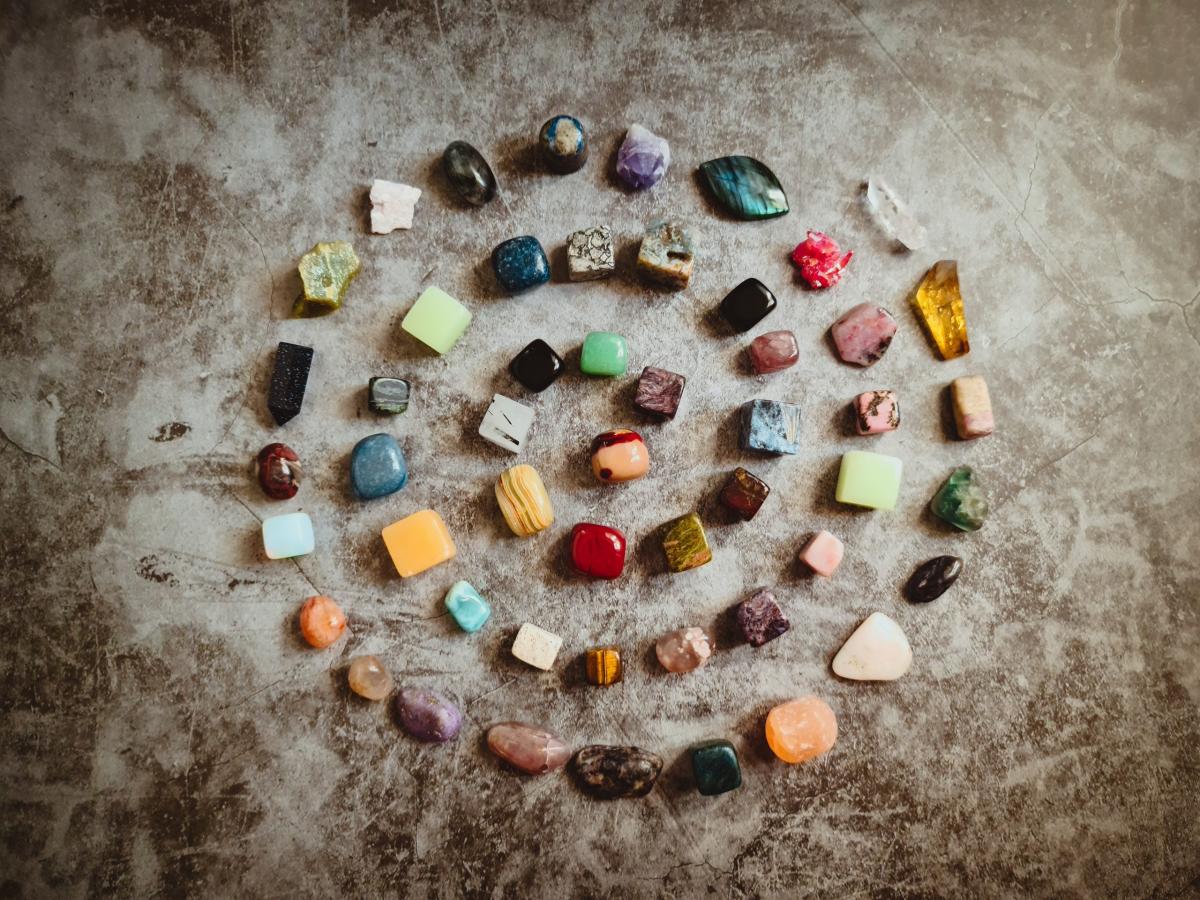
 Stone serves two very different purposes in the world of construction, landscaping, and memorialization. In one role, it’s a structural and aesthetic material — the aggregate that forms the base beneath a driveway, the crushed stone that lines a drainage trench, the decorative gravel that covers a garden bed. In the other role, it’s a medium for permanence — the marker that bears a name and dates, the memorial that outlasts the people who commissioned it, the engraved surface that communicates something intended to endure.
These two roles require different expertise, different processes, and different relationships with the material. But they share a common requirement: the quality of the stone and the supplier matters for the final result, whether that result is a properly draining landscape bed or a properly engraved memorial marker.
This post addresses both dimensions — the practical selection of aggregates for construction and landscaping applications, and the considerations involved in stone engraving services for memorial and decorative purposes.
Finding the right supplier for stone engraving near me means finding one that understands the specific requirements of engraving work — the stone types that accept engraving well, the techniques that produce durable results, and the quality control that ensures the finished work meets expectations.
Stone Engraving: What the Process Involves
Stone engraving is the process of creating permanent markings — text, images, patterns, or decorative elements — in the surface of stone. It’s used for memorial markers, commemorative plaques, architectural signage, decorative garden features, and custom stone elements in residential and commercial settings.
The quality of engraved stone work depends on three things: the stone type, the technique, and the execution. Each affects the final result in ways that the person commissioning the work needs to understand before making decisions.
Stone type.
Not all stone engraves equally well. Granite is the standard for most memorial and commemorative engraving because of its hardness, its density, and its resistance to weathering — engraving in granite remains sharp and legible for decades. Marble is softer and engraves more easily, but it’s more susceptible to weathering and surface degradation over time, which can affect the longevity of the engraved marks. Limestone and sandstone can be engraved but are generally less suitable for outdoor memorial applications because of their porosity and weathering vulnerability.
Technique.
Sandblasting uses abrasive material propelled at high velocity to cut into the stone surface. It produces clean, consistent results and can handle both text and complex imagery. Diamond wheel cutting is used for precision work and produces very clean edges. Laser engraving is increasingly used for detailed work, particularly for photographic images, and produces high-resolution results. The appropriate technique depends on the design, the stone type, and the intended application.
Execution.
The skill and attention of the engraving craftsperson determines the quality of the final product. Letter spacing, depth consistency, the translation of a design from artwork to stone — these are matters of craft that produce visible differences in quality between work done carefully and work done hastily.
Aggregates: Matching Material to Application
Aggregates are the foundational materials of construction and landscaping — the crushed stone, gravel, and granular materials that form bases, fill drainage structures, surface pathways, and create the visual texture of outdoor spaces. The range of aggregate types available reflects the range of applications they serve.
Crushed stone.
Stone that has been mechanically crushed to a specific size range. The crushing process creates angular particles with fractured faces that interlock when compacted, producing a stable, load-bearing layer. Crushed limestone, crushed granite, and crushed recycled concrete are the most common types. The specific application — base material, surface material, drainage aggregate — determines which type and size gradation is appropriate.
Pea gravel.
Naturally rounded stone in the 3/8 inch size range. Its smooth, rounded shape makes it comfortable underfoot and visually appealing in decorative applications — pathways, playground surfaces, garden beds. It doesn’t compact as densely as crushed stone, which limits its use in load-bearing applications but makes it appropriate for drainage and decorative uses.
River rock.
Larger, smooth, water-worn stones available in a range of sizes. Used for decorative purposes — dry creek beds, water features, garden accents — and for erosion control in drainage channels. The smooth surface and visual variety make it one of the most visually appealing aggregate materials.
Rip rap.
Large stone used for erosion control — along stream banks, at the base of embankments, around bridge foundations. The large size and angular shape resist movement by flowing water, protecting the underlying soil from erosion.
Connecting with aggregates near me who carry a full range of these materials and can advise on appropriate selection for specific applications is the starting point for getting aggregate specifications right.
The Aggregate Quantity Calculation
One of the most consistent practical challenges in stone and aggregate projects is calculating the right quantity. Under-ordering means a return trip for more material and potential inconsistency between batches. Over-ordering means paying for material you don’t use and dealing with the surplus.
The basic calculation for area coverage applications — garden beds, pathway surfaces, decorative ground cover — starts with the area to be covered and the desired depth of material. Multiplying area by depth gives the volume needed, which then needs to be converted to the unit in which the material is sold — typically tons for aggregates and cubic yards for some materials.
The conversion from volume to weight requires knowing the density of the specific material. Crushed limestone is denser than pea gravel. A cubic yard of one weighs more than a cubic yard of the other. Suppliers who can provide the weight-to-volume conversion for their specific products help with accurate quantity calculation.
Adding a 10 to 15 percent buffer to the calculated quantity is standard practice — accounting for variations in surface, waste during delivery and placement, and the inevitable small discrepancies between calculated and actual coverage.
Finding the Right Stone Center for Your Project
The difference between a comprehensive stone center and a general building supply retailer is significant for complex or quality-sensitive projects. A comprehensive stone center carries a broader range of materials, can provide samples for evaluation before ordering, has staff with specific expertise in stone products and their applications, and often offers delivery and installation services or referrals.
For residential projects — landscaping renovations, patio installations, garden features — the ability to see and evaluate materials in person before purchasing makes a meaningful difference. Stone color, texture, and character vary in ways that photographs don’t capture fully. Making a selection decision based on an in-person evaluation of actual material samples is more reliable than ordering based on online descriptions.
The stone center dayton and other regional locations in the network carry both aggregate and natural stone products, as well as engraving services for memorial and commemorative applications — making them a comprehensive resource for the full range of stone-related project needs.
The Memorial Stone Context
Memorial stone work — grave markers, commemorative plaques, memorial benches and garden features — carries a significance beyond ordinary construction or landscaping projects. The work is meant to endure, to communicate something specific, and to honor a person or mark an event in a way that outlasts the people who commissioned it.
This context places particular demands on the quality of both the material and the execution. A marker that deteriorates prematurely, or an engraving that becomes illegible over time, fails its purpose in a way that has real significance to the people who commissioned it.
The stone selection for memorial work should prioritize durability over economy. Granite, despite being more expensive than softer stone types, is the appropriate choice for most outdoor memorial applications precisely because it maintains its integrity and the legibility of its engraving over decades of outdoor exposure.
The design and layout of memorial engraving deserves careful thought before execution. Letter sizing and spacing that looks appropriate in a digital layout may look different at full scale in stone. Reviewing a proof at full scale before engraving begins prevents the disappointment of a finished piece that doesn’t meet expectations.
P.S. Before you zip off to your next Internet pit stop, check out these 2 game changers below - that could dramatically upscale your life.
1. Check Out My Book On Enjoying A Well-Lived Life: It’s called "Your To Die For Life: How to Maximize Joy and Minimize Regret Before Your Time Runs Out." Think of it as your life’s manual to cranking up the volume on joy, meaning, and connection. Learn more here.
2. Life Review Therapy - What if you could get a clear picture of where you are versus where you want to be, and find out exactly why you’re not there yet? That’s what Life Review Therapy is all about.. If you’re serious about transforming your life, let’s talk. Learn more HERE.
Think happier. Think calmer.
Think about subscribing for free weekly tools here.
No SPAM, ever! Read the Privacy Policy for more information.
One last step!
Please go to your inbox and click the confirmation link we just emailed you so you can start to get your free weekly NotSalmon Happiness Tools! Plus, you’ll immediately receive a chunklette of Karen’s bestselling Bounce Back Book!


