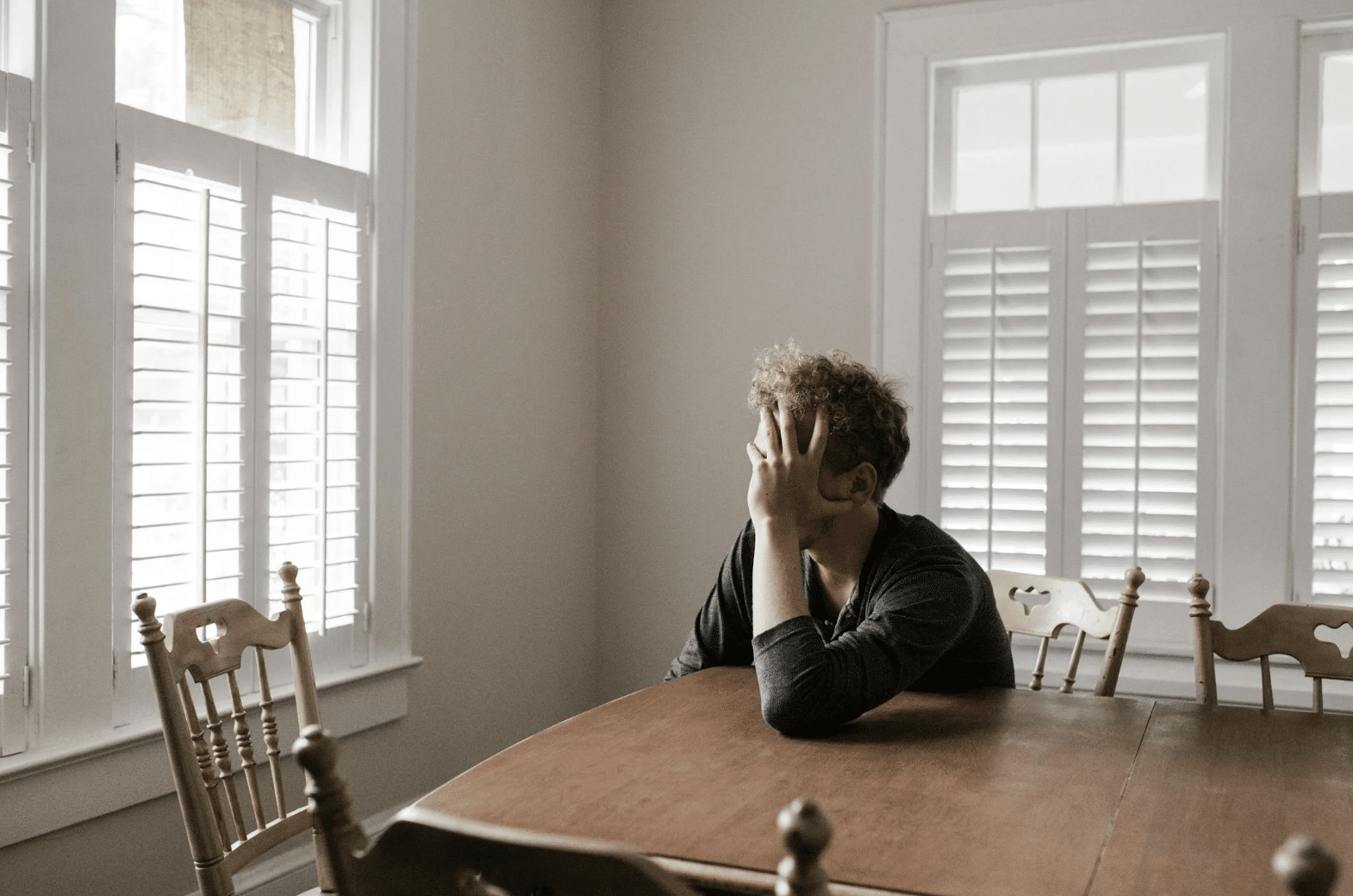
 Have you noticed how stress settles into the body before it is even named? Emotional stability and physical health are tightly linked, with the mind reacting first and the body following through sleep issues, tension, and fatigue.
In West Kentucky, where daily life often means balancing work, family, and community, that link becomes especially clear because people tend to carry pressure quietly. Modern life has made this harder to ignore, so persistent stress now shapes health in ways that build over time.
In this blog, we will share how emotional stability influences physical health, why this connection matters more today, and how individuals can respond in practical ways.
Why Stability Matters More in Today’s Environment
Modern Life Has Quietly Raised the Baseline of Stress
Stress used to come in waves. Now it feels constant.
Work expectations have shifted. Many people remain connected beyond working hours. Messages arrive at all times. Boundaries blur. This creates a steady background pressure that rarely switches off.
Social environments have changed as well. Online platforms expose people to constant comparison. Success, failure, opinions, all visible at once. This can affect emotional balance without clear awareness.
Health systems are also adapting. There is growing recognition that mental care supports physical outcomes. Access to reliable West Kentucky therapy services reflects this shift toward integrated care. Support is becoming more accessible, therefore more people can address issues earlier.
Yet there is still hesitation. Emotional health often feels less urgent than physical symptoms. People delay addressing it until discomfort becomes unavoidable. By then, the body may already be affected.
The irony is simple. Prevention is easier than repair. Stability reduces risk before problems grow. Waiting increases complexity.
The Everyday Signals People Often Ignore
Small Changes That Point to Larger Patterns
The body rarely fails without warning. It signals early.
Sleep changes are often the first sign. Difficulty falling asleep, waking frequently, feeling unrested. These patterns suggest that the mind is not settling fully. The body follows that unrest.
Energy levels also shift. Some days feel heavy without clear reason. Motivation drops. Tasks feel harder than usual. These changes are easy to dismiss, yet they often connect to emotional strain.
Physical tension appears in subtle ways. Tight shoulders, clenched jaws, shallow breathing. These are not isolated issues. They reflect how the body holds stress.
There are also behavioral signs. Increased irritability, reduced focus, withdrawal from routines. These changes affect both emotional and physical states. They reinforce each other.
Ignoring these signals allows patterns to deepen. Addressing them early creates space for adjustment. Small changes can prevent larger disruptions.
Building Stability Through Practical Actions
Improving emotional stability does not require a dramatic reset or a complete lifestyle overhaul. It requires repetition. Small actions, done often, create more lasting change than occasional bursts of effort. People often wait for the “right time” to start taking care of themselves, but stability usually grows from ordinary routines, not ideal circumstances. The body and mind respond best to patterns they can rely on. That is why consistency matters more than intensity.
Sleep as a Daily Reset
Regular sleep is one of the strongest supports for emotional stability because it helps regulate mood, focus, and stress responses. When sleep is inconsistent, the nervous system stays on edge, so small problems feel bigger. A steady bedtime and wake time gives the body a reliable rhythm that supports recovery, memory, and emotional control. Sleep is not just rest, it is repair, since the brain processes emotions and lowers stress intensity overnight. Without enough quality sleep, irritability rises, focus drops, and patience shrinks, especially during busy periods.
The fix does not need to be complex: reduce screen time before bed, dim the lights, keep the room cool, and avoid heavy late meals. The goal is not perfection, but enough consistency to recover well.
Movement That Supports Mood
Physical movement plays a major role in emotional stability. It helps release built-up tension, improves circulation, and supports better sleep. It also changes brain chemistry in a way that improves mood and lowers stress. The body was built to move, and emotional health improves when movement becomes part of daily life.
The type of activity matters less than people think. It does not have to be intense or highly structured. A walk after dinner counts. Stretching in the morning counts. Dancing in the kitchen counts. The key is regular movement, not performance. When movement becomes routine, the body starts to process stress more efficiently.
Connection as Emotional Regulation
Connections with others is often underestimated in emotional health. Conversations provide perspective. They reduce isolation. They remind people that they are not carrying everything alone. Even brief interactions can shift emotional states, especially during stressful weeks.
Emotional stability is harder to maintain in isolation. When stress builds, people tend to withdraw, yet that often makes things worse. A short check-in with a friend or family member can break that cycle. It does not need to be a deep conversation. Sometimes simple contact is enough to reduce pressure.
Social support also helps people process emotions more clearly. Saying something out loud can make it easier to understand. Thoughts that feel overwhelming in silence often become manageable when shared. This is not weakness. It is regulation. Human beings are wired for connection, so emotional stability improves when that need is met.
The Broader Impact of Emotional Stability
Health Outcomes Extend Beyond the Individual
Emotional stability does not affect only one person. It influences environments.
In workplaces, stable individuals contribute to better collaboration. They manage stress more effectively. This improves overall productivity. It also reduces conflict.
In families, stability creates consistency. It supports communication. It shapes how challenges are handled. This has long-term effects on relationships.
Communities benefit as well. When individuals manage stress effectively, collective resilience increases. This becomes important during periods of uncertainty.
The connection between emotional and physical health reflects a larger idea. Health is not divided into separate parts. It is interconnected. Changes in one area influence others.
Understanding this connection allows for better decisions. It shifts focus from reacting to preventing. It encourages a more balanced approach.
And perhaps the most important point is this. Stability is not a fixed state. It is a process. It requires attention, adjustment, and patience.
That process shapes both how people feel and how they function. It influences energy, health, and overall quality of life.
The body listens closely to the mind. The question is whether the mind listens back.
P.S. Before you zip off to your next Internet pit stop, check out these 2 game changers below - that could dramatically upscale your life.
1. Check Out My Book On Enjoying A Well-Lived Life: It’s called "Your To Die For Life: How to Maximize Joy and Minimize Regret Before Your Time Runs Out." Think of it as your life’s manual to cranking up the volume on joy, meaning, and connection. Learn more here.
2. Life Review Therapy - What if you could get a clear picture of where you are versus where you want to be, and find out exactly why you’re not there yet? That’s what Life Review Therapy is all about.. If you’re serious about transforming your life, let’s talk. Learn more HERE.
Think happier. Think calmer.
Think about subscribing for free weekly tools here.
No SPAM, ever! Read the Privacy Policy for more information.
One last step!
Please go to your inbox and click the confirmation link we just emailed you so you can start to get your free weekly NotSalmon Happiness Tools! Plus, you’ll immediately receive a chunklette of Karen’s bestselling Bounce Back Book!