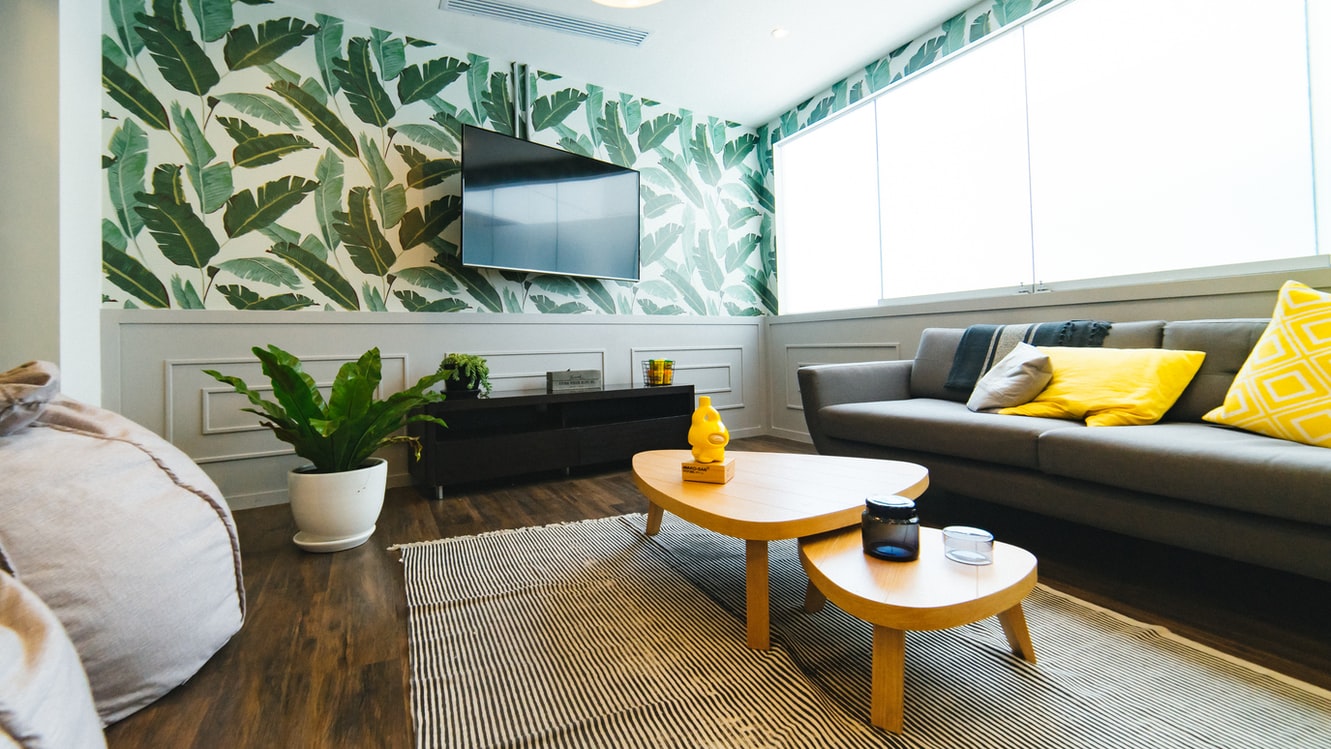
 A home does not need constant renovation to feel refined. Often, it needs focus. Statement walls offer that focus by giving a room visual direction and purpose. They introduce contrast, guide the eye, and define the mood of a space without overwhelming it. When done well, a statement wall feels intentional rather than decorative for its own sake.
Unlike trends that come and go, statement walls have staying power. They adapt easily to different styles, layouts, and budgets. More importantly, they allow homeowners to express taste while maintaining balance. This article explores how statement walls work, why they matter, and how to use them thoughtfully to elevate any home.
What Makes a Wall a “Statement” Wall?
A statement wall is not just a wall that looks different. It is a wall that anchors the room. It draws attention naturally and creates a visual hierarchy. This can be achieved through color, texture, material, or composition, but the intent remains the same: to establish a focal point.
The most effective statement walls do not compete with the rest of the room. They complement it. Furniture placement, lighting, and surrounding surfaces should support the wall rather than distract from it. When everything aligns, the wall becomes a unifying element rather than a loud feature.
Why Statement Walls Matter in Interior Design
Rooms without focal points often feel unfinished. The eye has nowhere to rest. Statement walls solve this by providing structure and clarity. They help define how a space should be used and experienced.
From a design perspective, statement walls also offer flexibility. They allow bold choices without requiring full-room commitment. A single wall can introduce depth, warmth, or personality while leaving the rest of the room calm and functional.
There is also a psychological aspect. Humans are drawn to contrast and pattern. A well-designed statement wall can make a room feel more engaging and thoughtfully composed.
Color as a Foundation for Impact
Color remains one of the most accessible tools for creating a statement wall. A deeper shade, a contrasting tone, or even a muted accent can transform the atmosphere of a room.
Dark colors tend to add intimacy and drama. Light but saturated tones bring energy without heaviness. Neutral statement walls, when layered correctly, offer subtle sophistication.
The key is restraint. The chosen color should relate to other elements in the room, such as textiles, furniture finishes, or architectural details. This creates cohesion and prevents the wall from feeling isolated.
Texture and Material: Adding Dimension Without Clutter
Texture introduces depth in a quieter way than color. Materials like wood panels, stone finishes, plaster effects, or fabric wall coverings create visual interest through variation rather than contrast.
These surfaces catch light differently throughout the day, making the room feel dynamic. They also add a tactile quality that enhances comfort and warmth.
When using textured statement walls, simplicity elsewhere is essential. Clean lines and minimal décor allow the material to stand out without overwhelming the space.
The Role of Paintings and Visual Art
Visual art has a unique ability to define a statement wall. Unlike color or texture alone, art introduces narrative. It communicates mood, scale, and intention in a direct way.
Paintings can soften strong architectural lines or add structure to minimal spaces. They work particularly well when the surrounding wall remains neutral, allowing the artwork to command attention without visual competition.
In many contemporary interiors, homeowners use curated art collections or a single large piece to create focus. For example, incorporating modern paintings for living room spaces often serves both functional and aesthetic purposes, tying furniture, lighting, and layout together while adding a clear visual anchor. When art is chosen thoughtfully, it elevates the wall without turning it into a gallery overload.
Scale and Proportion: Getting the Balance Right
One of the most common mistakes with statement walls is incorrect scale. A wall meant to stand out must be sized appropriately to the room.
Large walls benefit from bold gestures. Small rooms require restraint and precision. Oversized patterns or heavy materials can overwhelm compact spaces, while subtle treatments may get lost in expansive areas.
Proportion also applies to placement. Centering the statement wall around a key feature, such as a sofa, bed, or dining table, reinforces its role and strengthens the overall layout.
Lighting as a Supporting Element
Lighting plays a crucial role in how a statement wall is perceived. Poor lighting can flatten texture, distort color, or diminish impact. Good lighting enhances depth and highlights details.
Wall washers, spotlights, or indirect lighting can be used to draw attention without glare. Natural light should also be considered. A wall that receives strong daylight may look different in the evening, so balance is important.
Thoughtful lighting ensures that the statement wall remains effective throughout the day, not just at specific moments.
Statement Walls Across Different Rooms
While living rooms are the most common setting, statement walls work in nearly every part of the home.
Bedrooms benefit from calm, grounding walls that sit behind the bed and create a sense of enclosure. Dining areas often use statement walls to add formality and focus. Home offices rely on them to introduce character without distraction.
Even hallways and entryways can use statement walls effectively. In these transitional spaces, a single strong wall can set the tone for the rest of the home.
Common Mistakes to Avoid
Not every bold idea translates well into a statement wall. Overusing patterns, mixing too many materials, or ignoring the rest of the room can result in visual noise.
Another frequent issue is trend dependency. Highly specific styles may feel outdated quickly. Choosing timeless elements and neutral foundations helps ensure longevity.
Lastly, inconsistency undermines impact. A statement wall should feel connected to the home as a whole, not like an isolated design experiment.
How to Approach Design Decisions Thoughtfully
Before committing to a statement wall, consider the room’s purpose, size, and existing elements. Ask what the wall should accomplish. Is it meant to energize, calm, or define?
Testing ideas through samples, mockups, or temporary solutions can prevent costly mistakes. It also allows adjustments before final decisions are made.
Design works best when it is intentional. Statement walls are no exception.
Conclusion: A Lasting Design Choice
Statement walls offer a practical way to elevate interiors without excessive complexity. They bring clarity, structure, and personality to a space while allowing flexibility and creativity.
When approached with balance and purpose, they enhance both form and function. The result is a home that feels composed, inviting, and thoughtfully designed.
P.S. Before you zip off to your next Internet pit stop, check out these 2 game changers below - that could dramatically upscale your life.
1. Check Out My Book On Enjoying A Well-Lived Life: It’s called "Your To Die For Life: How to Maximize Joy and Minimize Regret Before Your Time Runs Out." Think of it as your life’s manual to cranking up the volume on joy, meaning, and connection. Learn more here.
2. Life Review Therapy - What if you could get a clear picture of where you are versus where you want to be, and find out exactly why you’re not there yet? That’s what Life Review Therapy is all about.. If you’re serious about transforming your life, let’s talk. Learn more HERE.
Think happier. Think calmer.
Think about subscribing for free weekly tools here.
No SPAM, ever! Read the Privacy Policy for more information.
One last step!
Please go to your inbox and click the confirmation link we just emailed you so you can start to get your free weekly NotSalmon Happiness Tools! Plus, you’ll immediately receive a chunklette of Karen’s bestselling Bounce Back Book!


