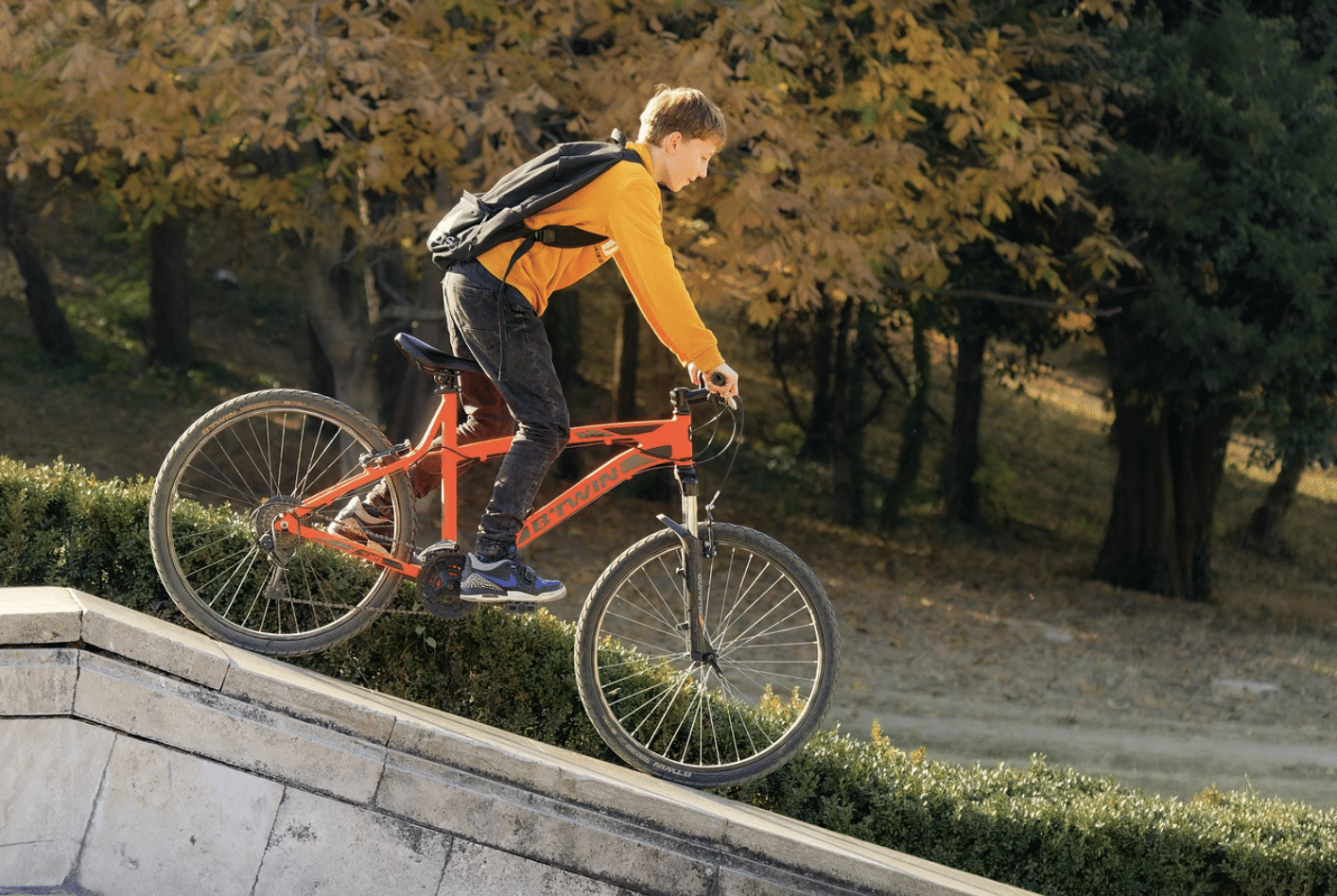
 Bicycles are all over California now. You will see commuters navigating downtown L.A. streets, families gliding through quiet Sacramento neighborhoods, and weekend riders conquering the hills of the Bay Area.
People ride for pleasure, for exercise, to save gas, or simply to feel the open air. But for all that growth comes a stark reality, and that is a sharp increase in bicycle accidents. Thousands of cyclists are struck, injured, or killed each year throughout the state. And when that occurs, the consequences can be devastating. Victims can recover compensation, but the real question is how much settlement can they expect?
Understanding Bicycle Accidents and Compensation in California
The experience of being injured on a bicycle is different from being injured in a car. Cyclists do not have the protection of a steel frame or airbags. Broken bones, concussions, and worse can result from even a low-speed crash. In California, cyclists have the same rights as drivers, although not every road user may remember that. Then you get someone who doesn’t check their blind spot or opens a car door into the bike lane, risking a rider’s safety. If such negligence leads to an accident, then the injured bicyclist would have a right to seek compensation.
These allegations generally center around negligence, which means proving that the driver, or whoever caused the crash, was not reasonably careful. Maybe they were speeding, texting, or maybe they weren’t paying attention. In any event, if their error resulted in injury, they can be held liable. Claims may include medical expenses, lost income, pain and suffering, and other impacts resulting from the crash.
One case from Long Beach hints at how severe such crashes can be. A car merged into a rider’s lane and hit him while he was cycling. The crash killed the rider. His family filed a wrongful death claim, which settled for $2.25 million. That’s a lot of money, but it cannot replace the life that was lost. In this case, clearly, the driver was to blame.
The family was able to seek damages for emotional and financial loss under the law. It’s a tragic case but it also demonstrates how the law in California works when everything is on the table. Not all accidents are as extreme. Most injuries are painful but not permanent. But even in less severe cases, medical bills add up quickly. With the inability to work comes stress. Settlements are designed to make the financial situation right, or at least better than it is, by compensating for those real-world losses.
Factors That Influence a Bicycle Accident Settlement
There’s no set formula for bicycle accident settlements. Some cases settle for a few thousand dollars, while others reach well past six figures. A lot depends on the injuries and how much they changed the person’s life.
Medical costs are usually the starting point. If a rider goes to the ER and heals up after a few weeks, the bills might be manageable. However, if the injury requires surgery, long-term therapy, or results in a permanent disability, the numbers get much bigger. Lost wages are another factor. If someone misses work for months or can’t return to the same job at all, that’s added damage that needs to be compensated.
Pain is harder to measure but very real. Long recoveries, chronic pain, depression, or being unable to enjoy hobbies all matter too. California allows for these kinds of non-economic damages in settlement talks.
Another major factor is fault. California uses a comparative fault system. That means if the cyclist was partly responsible, e.g., they didn’t use a light at night or drifted into traffic, their recovery can be reduced. For example, if the damages total $100,000 but the cyclist is found 25% at fault, they could recover $75,000. It’s not always black and white. Even small details at the scene can influence how the fault is divided.
The driver’s insurance limits also matter. If they only carry the state minimum, there may not be enough coverage to pay for a serious injury. Sometimes cyclists can use their own uninsured motorist coverage to fill the gap. Other times, they might have to go after a business, municipality, or whoever caused the crash.
Here’s another real case that helps explain all this. In San Francisco, a cyclist was riding past parked cars when someone suddenly opened a door. The rider swerved, crashed, and suffered a head injury. The car never touched the bike, but the driver’s actions still caused the crash. That case settled for $75,000. It wasn’t a catastrophic injury, but it was serious. That payout covered treatment, recovery time, and the lasting effects of a brain injury. It also shows that even when there’s no contact, the law still recognizes when a cyclist is forced into danger.
Typical Settlement Ranges and Real-World Examples
So what do settlements usually look like? In 2025, California bike injury cases are settling all over the board. At the low end, if someone has soft-tissue injuries that heal quickly, the case might settle for $5,000 to $20,000. Those are often straightforward claims where the cyclist doesn’t miss much work and recovers fast.
More moderate cases, like broken bones or concussions, tend to settle between $30,000 and $100,000. These claims usually involve longer recovery periods, follow-up care, and maybe some time away from work. The San Francisco dooring case falls right into this zone.
Then there are the serious cases: spinal cord injuries, traumatic brain injuries, or permanent loss of function. These can easily go over $250,000, especially if there’s no dispute about who caused the crash. The Long Beach wrongful death case is one of those high-end examples, with the family recovering over $2 million. It’s not an outlier. When the facts support it, juries and insurers in California will pay that kind of money.
Where the crash happens also plays a role. Urban areas like Los Angeles and San Francisco often see higher settlements. Costs of living are higher, and so are medical bills. Local juries may also be more sympathetic. In rural parts of the state, settlements can be lower, even for similar injuries, just because the context is different. Truck accidents that involve bicycles often result in higher settlement amounts as the damages can be extremely devastating.
Electric bikes are also changing the landscape. These bikes move faster and, in some cases, ride more like small scooters. When an e-bike is involved in a crash, the injuries are often worse. Courts are still figuring out how to handle them, but so far, they’re generally treated like traditional bikes when it comes to injury claims. That means the same rules and rights apply, but the settlement numbers may end up higher because the crashes are more severe.
Technology is also making a difference. Cyclists using wearable tech or helmet cams are capturing clear evidence that used to be hard to get. That can make proving fault easier, which often leads to quicker and larger settlements. Data from smart devices can show how fast the rider was going, whether they braked, or how hard the impact was. That kind of information adds weight in negotiations.
Steps to Protect Your Claim and Maximize Settlement Value
If you’re injured in an accident, what you do next can affect your claim. The most important thing is to get medical help. Even if you feel okay, it’s smart to get checked out. Some injuries take time to show up. Getting seen right away also creates a record, which helps your case later.
Try to collect details from the scene if you can. Photos of your bike, the vehicle, the street, and anything else that helps show what happened. If anyone saw the crash, get their name and contact info. Those witnesses can be important later on.
Be cautious when speaking with insurance companies. They may act helpful, but their goal is to pay as little as possible. Don’t agree to give a recorded statement or sign anything until you’ve talked with a lawyer. A lot of claims get weakened early on because people try to handle them alone.
An experienced attorney knows how to protect you. They’ll collect the right evidence, deal with the insurers, and calculate what your claim is really worth. Sometimes the effects of an injury don’t show up fully for weeks. A good lawyer will look at the full picture, including long-term costs, future medical needs, and how the injury affects your life day to day.
Timing matters too. In California, you have two years to file a personal injury claim, but it’s best to act sooner. Waiting makes it harder to gather evidence because witnesses forget things, or records get lost. Fast action keeps your claim strong.
Going through recovery is hard enough. You shouldn’t also have to worry about how to pay bills or whether the insurer is being fair. That’s where we come in. We guide you through the process and push to get every dollar you deserve. Whether your injuries are mild or life-altering, we believe your case should reflect what you’ve actually gone through. That’s what a fair settlement means. Not just numbers, but real support for what you’ve lost and what it’ll take to move forward.
P.S. Before you zip off to your next Internet pit stop, check out these 2 game changers below - that could dramatically upscale your life.
1. Check Out My Book On Enjoying A Well-Lived Life: It’s called "Your To Die For Life: How to Maximize Joy and Minimize Regret Before Your Time Runs Out." Think of it as your life’s manual to cranking up the volume on joy, meaning, and connection. Learn more here.
2. Life Review Therapy - What if you could get a clear picture of where you are versus where you want to be, and find out exactly why you’re not there yet? That’s what Life Review Therapy is all about.. If you’re serious about transforming your life, let’s talk. Learn more HERE.
Think happier. Think calmer.
Think about subscribing for free weekly tools here.
No SPAM, ever! Read the Privacy Policy for more information.
One last step!
Please go to your inbox and click the confirmation link we just emailed you so you can start to get your free weekly NotSalmon Happiness Tools! Plus, you’ll immediately receive a chunklette of Karen’s bestselling Bounce Back Book!