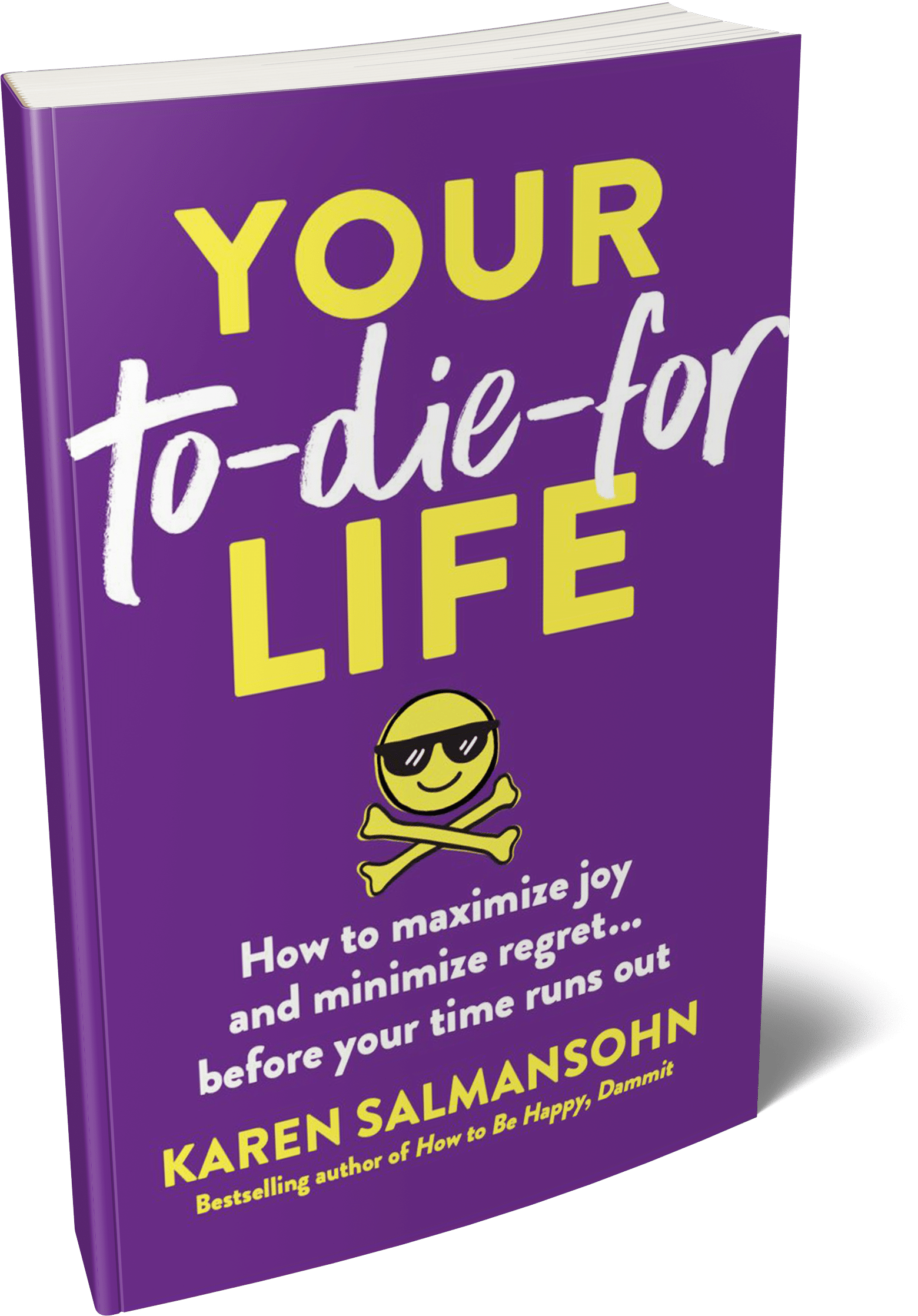

Get A Sneak Peek at my book “Your To-Die-For Life”!
Get a FREE sneak peek! Learn how to use Mortality Awareness as a wake up call to live more boldly.

 A family may first notice small changes: a loved one stops joining meals, becomes unusually irritable, or begins missing work and family commitments. At first, these changes can be difficult to explain. When substance use is involved, however, the effects may reach far beyond physical health, influencing mood, sleep, judgement, relationships, and the ability to cope with everyday pressures.
Mental health difficulties can also contribute to substance use, making the relationship complex. For relatives, knowing what to look for and how to respond can feel overwhelming. Understanding the connection between substance use and mental well-being is a useful first step towards helping someone access appropriate care and ongoing support promptly.
Alcohol and other drugs can affect brain systems involved in mood, memory, decision-making, and stress. The impact depends on the substance, frequency of use, amount taken, and a person’s health.
Substance use and mental health conditions can influence one another. Someone may use drugs to cope with anxiety or stress, while substance use can also contribute to new or worsening psychological symptoms. Some people experience both conditions, making a full assessment important.
Possible effects include:
These symptoms do not automatically indicate a mental health diagnosis. A qualified professional can assess their possible causes.
Relatives may notice changes before someone is ready to discuss substance use. One sign alone does not prove addiction, but a pattern may indicate a need for support.
Look out for:
Focus on specific changes you have observed rather than making accusations.
Families cannot make recovery decisions for another person, but they can make it easier to seek support. A calm, consistent approach is more constructive than blame.
Find a private moment when the person is not intoxicated or in immediate distress. Share your concerns using specific examples, then listen without interrupting. Avoid labels and remember that one conversation does not need to solve everything.
Addiction is a treatable health condition, not simply a failure of willpower. Learning about the substance involved, withdrawal, and overlapping mental health concerns can help relatives respond with empathy and recognise when professional advice is needed.
If substance use affects someone’s health, relationships, or daily life, encourage them to speak with a qualified professional. An assessment can consider substance use, physical health, mental health, and personal circumstances.
For someone affected by cocaine dependence, a medically supervised cocaine detox program may help manage withdrawal and provide a starting point for further care. Detox is not complete treatment; continued support and a structured recovery plan may also be needed.
Practical help could include researching treatment options, arranging transport to appointments, or helping with everyday tasks. Families can also set clear boundaries around money, safety, and behaviour. Supporting recovery does not mean hiding harmful consequences or accepting actions that put others at risk.
Supporting a loved one can cause worry, frustration, guilt, and isolation. Make time for rest and relationships outside the situation, and consider counselling or a family support group. The NHS offers advice for families of people who use drugs, including information about support groups and looking after your own wellbeing.
Symptoms such as anxiety, low mood, and disturbed thinking may be linked to substance use, withdrawal, or an underlying mental health condition. A professional assessment can help identify these concerns and guide appropriate care.
Detoxification is only the initial stage of recovery. Continued treatment may include behavioural therapy, psychological support, and relapse prevention strategies to help individuals understand their triggers, develop healthier coping skills, and manage emotional challenges. Addressing mental health alongside substance use can support a more comprehensive approach to recovery.
Substance use can affect mental wellbeing as well as physical health, and families may notice the changes first. Listening without judgement, encouraging professional assessment, and maintaining healthy boundaries can help a loved one move towards care. Recovery takes time, but informed family support and appropriate treatment can make the next steps clearer and safer for everyone involved in the process.
Can substance use affect children who live in the same household?
Yes. Conflict, disrupted routines, or a carer’s impaired functioning can affect a child’s sense of safety. Reassurance and support from trusted adults can help.
Does everyone with a substance use problem need residential treatment?
No. The appropriate level of care depends on the substance involved, severity of the problem, medical needs, mental health, and individual circumstances. A professional assessment can help determine suitable treatment.
What if someone becomes severely confused or talks about suicide?
Treat this as urgent. Contact local emergency services or an urgent mental health service, particularly if there is an immediate risk of harm.
Can someone recover after returning to substance use?
Yes. A return to use does not mean recovery is impossible. It is a reason to review the treatment plan and reconnect with qualified support.
P.S. Before you zip off to your next Internet pit stop, check out these 2 game changers below - that could dramatically upscale your life.
1. Check Out My Book On Enjoying A Well-Lived Life: It’s called "Your To Die For Life: How to Maximize Joy and Minimize Regret Before Your Time Runs Out." Think of it as your life’s manual to cranking up the volume on joy, meaning, and connection. Learn more here.
2. Life Review Therapy - What if you could get a clear picture of where you are versus where you want to be, and find out exactly why you’re not there yet? That’s what Life Review Therapy is all about.. If you’re serious about transforming your life, let’s talk. Learn more HERE.
Think about subscribing for free weekly tools here.
No SPAM, ever! Read the Privacy Policy for more information.