 We are living at the best time of human history as far as tech innovations are concerned. There is fast transport, the internet, smart devices, calendars, and hundreds of tools to save more time. Yet, time seems to be slipping away.
You have a busy week, followed by a weekend that feels rushed, or not enjoyed to the fullest. Before you realise it, you’re sitting at the office desk, responding to emails and escalations.
As time goes by, you find yourself gradually surrendering to the awareness of the amount of time that has slipped away.
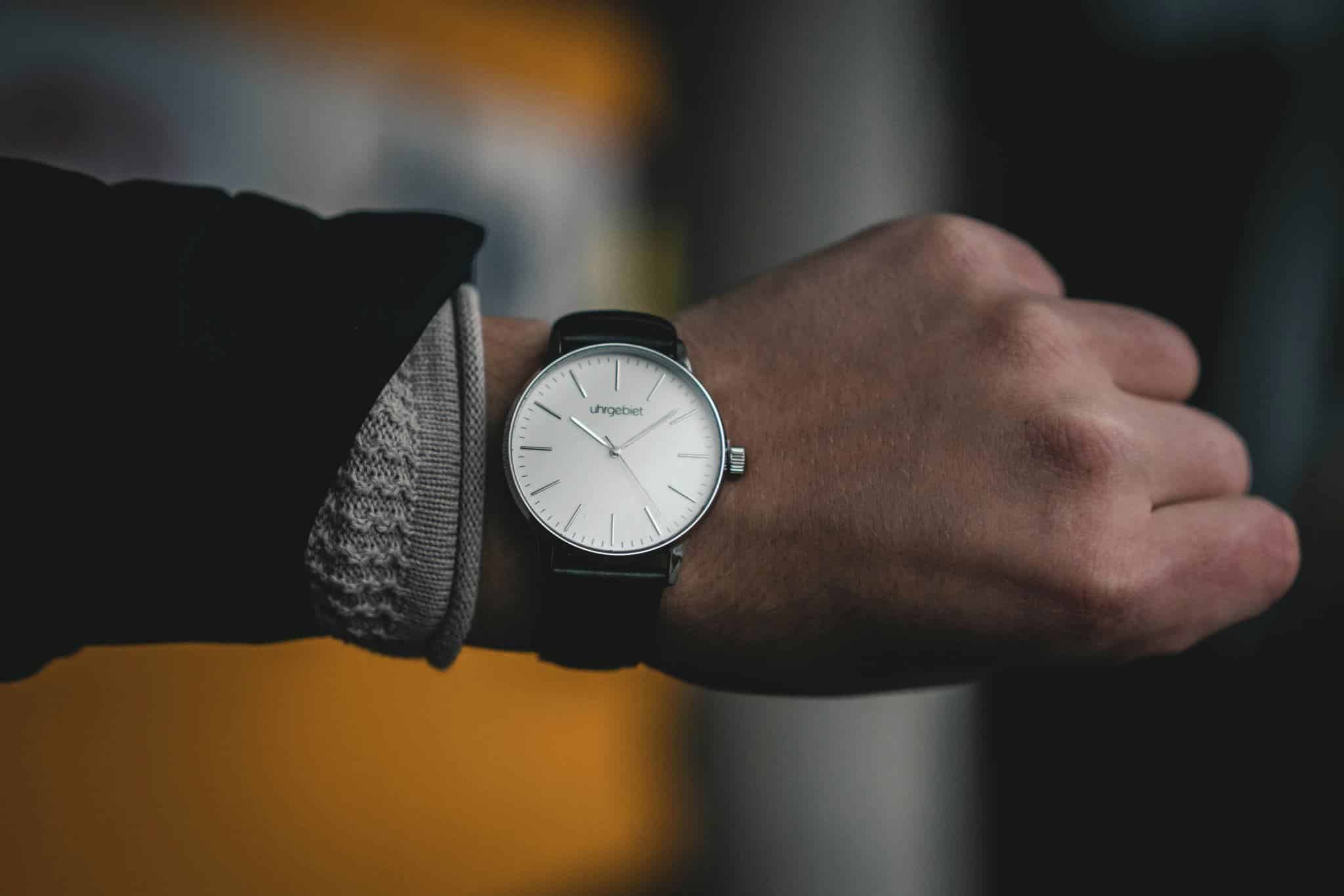
The solution? Well, it’s simple, and it exists at the junction between current technology and the technology from a few decades before. Yes, we’re talking about a physical watch. In this busy world, you don’t need more information and algorithms on smart devices telling you when to stop.
A watch sitting on your wrist can do it with the ticks of every second. Here’s how watches can teach us to be human again.
The Psychology of Time Theft
Time theft is often discussed in professional settings as lost productivity. That explanation feels incomplete. The deeper issue involves attention. Human beings experience time through awareness.
When attention becomes scattered, time itself begins to feel distorted. Hours pass without memory. Days blur together. People become busy but strangely disconnected from their own experiences.
It happens everywhere. During meals. During conversations. Even during moments meant for rest. We are physically present but mentally divided across multiple streams of information.
A watch interrupts that pattern in subtle ways. It does not demand engagement. It simply exists. Looking at a watch usually takes seconds, and the interaction ends there. No endless feed waits beneath the surface.
No algorithm attempts to capture another minute. This distinction may appear small, yet psychologically it matters. Humans require moments of closure. We need interactions that begin and end cleanly.
Watches provide that. Phones rarely do. The result is not merely reclaimed time but reclaimed attention, which may be the more valuable resource.
For those who appreciate the value of intentional timekeeping, taking a moment to browse the TAG Heuer collection can be a reminder that a watch is more than an accessory. It is a tool that helps anchor attention in the present.
Attention, Ritual, and Memory
There is another aspect worth considering. Human beings remember experiences through rituals. Morning coffee. Evening walks. Reading before sleep. These recurring actions create structure within otherwise chaotic lives.
Wearing a watch often becomes one of those rituals. It is placed on the wrist before leaving home. Removed at night. Wound, adjusted, maintained. Small actions, perhaps. Yet they establish continuity.
Modern culture sometimes underestimates continuity. Everything pushes toward novelty. New updates. New platforms. New distractions. Watches operate differently. Many are designed to last years, even decades. Some pass between generations.
That longevity creates emotional weight. The object becomes connected to personal history. Scratches accumulate. Memories attach themselves to particular moments. In that sense, watches function less like gadgets and more like companions that record lived experience without storing a single file.
Why Mechanical Objects Still Matter
The fascination with watches cannot be explained entirely through fashion or luxury. Plenty of people who love watches are drawn to the mechanics themselves. Tiny gears. Springs. Movements. Components working together through principles that remain visible and understandable.
There is something reassuring about machinery that reveals its purpose. You can observe it. Learn it. Respect it.
Digital systems, by comparison, often feel abstract. Vast processes occur behind screens. Most users never see how decisions are made or information is filtered. This creates distance. Mechanical watches reduce that distance. Their function is tangible, and limitations are clear. Ironically, those limitations become part of their appeal.
A mechanical watch does not attempt to solve every problem in life. It measures time. That is enough. In an age obsessed with endless functionality, enough can feel surprisingly refreshing.
The broader lesson extends beyond watches themselves. Humans seem increasingly drawn toward objects that resist disposability. Records instead of playlists. Printed books instead of endless tabs. Handwritten notes instead of another draft lost in the cloud.
These choices represent a desire for texture and permanence. Not everyone makes them, of course. Yet their growing appeal suggests a shared hunger for experiences that feel grounded in the physical world.
The Human Need for Slowness
The conversation around productivity often assumes speed is inherently valuable. Faster communication. Faster delivery. Faster decisions. Sometimes that is true. Sometimes efficiency genuinely improves life.
Yet speed without reflection creates its own problems. Important experiences require time. Relationships require time. Understanding requires time. Growth rarely happens at algorithmic pace.
Watches remind us of that reality because they visualise time as movement rather than instant availability. Seconds pass. Minutes accumulate. Nothing jumps ahead. The process cannot be rushed.
There is almost a philosophical quality to observing a watch hand move. Not dramatic. Not revolutionary. Just steady progress. One moment following another.
Many people describe feeling exhausted despite accomplishing significant amounts of work. Often the exhaustion comes from acceleration rather than effort itself. Minds rarely receive opportunities to settle. Everything arrives simultaneously.
Watches offer a small symbolic resistance to that condition. They encourage awareness of time passing instead of constant competition against it. That shift may sound minor, but minor shifts frequently produce significant changes in perspective.
Presence Over Optimisation
Much contemporary advice focuses on optimising life. Optimize sleep. Optimize finances. Optimize routines. The language itself reveals something about modern values. Life becomes a project to manage rather than an experience to inhabit. There is usefulness in improvement, certainly. Yet relentless optimisation risks reducing humanity to performance metrics.
Presence offers a different framework. Presence values experience as much as output. It emphasises being attentive to the current moment rather than continuously preparing for the next one. A watch supports this mindset because it anchors awareness in real time. Not future projections. Not endless digital possibilities. Just now.
Think about meaningful moments in life. Celebrations. Conversations. Unexpected encounters. Rarely do people remember them because they were efficient. They remember them because they were present. The memory formed through engagement, not optimisation. Watches, perhaps surprisingly, align more closely with that philosophy than many modern technologies.
Watches as Cultural Symbols
Watches have told us a lot about people throughout history. They show who we are, what we want and how we live our lives. People in the past saw watches in different ways. Some people thought watches were a sign that you had done something.
Others thought they just showed that you were responsible and on time. Some people liked watches because they looked good. People still think about watches in these ways today. Now we also worry about how technology is changing everything and if we are paying attention to what really matters.
Watches are still important to people because they are a part of who we’re what we value, like craftsmanship and personal style.
What is interesting is how watches maintain relevance despite predictions of decline. Smartphones already tell time. Smart devices are everywhere. By purely practical reasoning, traditional watches should have disappeared.
They did not. In many cases, interest grew. That persistence suggests watches satisfy needs extending beyond utility. People are not only buying timekeeping instruments. They are investing in stories, traditions, and tangible experiences.
This trend reflects a broader cultural movement. Across industries, consumers increasingly value authenticity. They want products connected to craftsmanship, history, and intentional design. Watches fit naturally within that framework.
A well-made watch carries evidence of care. It represents expertise condensed into physical form. Such qualities remain meaningful even when countless digital alternatives exist.
Relearning Humanity Through Time
The phrase “being human again” may sound dramatic at first. Yet it captures something real. Many people feel detached from their own routines. Days feel full but strangely empty. Information increases while attention decreases.
Connection expands technologically but often weakens emotionally. Under these conditions, even simple practices gain significance.
Wearing a watch is not a cure for modern distractions. It will not eliminate stress, restore balance overnight, or solve structural problems within contemporary life. Still, it symbolises an alternative approach. One rooted in awareness rather than constant stimulation. One that values attention as much as efficiency. One that treats time not merely as a resource to spend but as an experience to live.
There is a certain humility in that perspective. Watches remind us that time moves regardless of our preferences. We cannot pause it, expand it, or negotiate with it. We can only decide how consciously we experience it. That realisation feels increasingly important. Maybe even urgent.
Watches Tell Time, & Clear Direction
The world we live in is really good at keeping track of how we get done, but it is not so good at helping us be present. This is where time can get away from us, not because we lose hours but because our attention gets broken up. Watches are a way to fight against this. They help us focus, give us a routine, see how things connect, and they make us think about our lives. In addition, they help people connect with time in a way not just on a screen.
That is probably why watches are still important to us. It is not because they are advanced technology. It is not because we absolutely need them. They are important because they remind us of something we can easily forget. Our lives happen one moment at a time. Not in the messages we get on our phones. Not in the computer programs that run our lives. Just in the moments we experience. We see them, we feel them, we remember them. Sometimes all it takes is a simple watch on our wrist to bring us back to what is real.
P.S. Before you zip off to your next Internet pit stop, check out these 2 game changers below - that could dramatically upscale your life.
1. Check Out My Book On Enjoying A Well-Lived Life: It’s called "Your To Die For Life: How to Maximize Joy and Minimize Regret Before Your Time Runs Out." Think of it as your life’s manual to cranking up the volume on joy, meaning, and connection. Learn more here.
2. Life Review Therapy - What if you could get a clear picture of where you are versus where you want to be, and find out exactly why you’re not there yet? That’s what Life Review Therapy is all about.. If you’re serious about transforming your life, let’s talk. Learn more HERE.
Think happier. Think calmer.
Think about subscribing for free weekly tools here.
No SPAM, ever! Read the Privacy Policy for more information.
One last step!
Please go to your inbox and click the confirmation link we just emailed you so you can start to get your free weekly NotSalmon Happiness Tools! Plus, you’ll immediately receive a chunklette of Karen’s bestselling Bounce Back Book!


