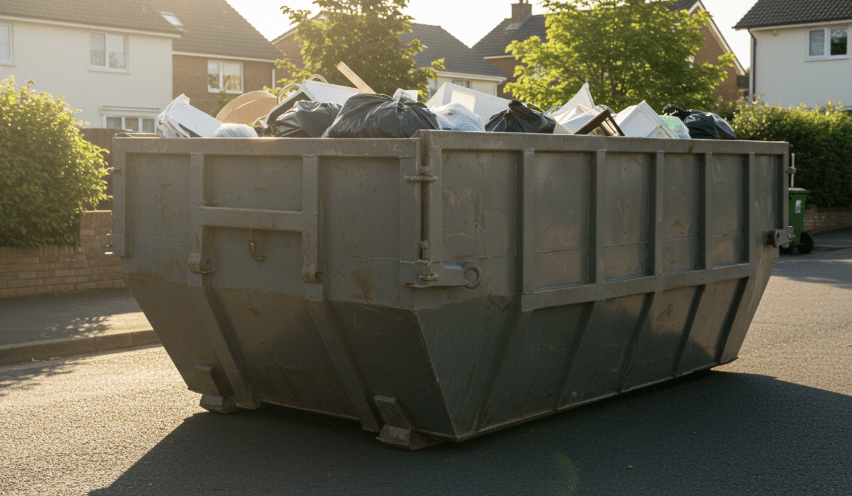
 Dumpster size selection is the decision that most people get wrong — not dramatically wrong, but wrong in a direction that costs time, money, and inconvenience that was entirely avoidable. The difference between a 20-yard and a 30-yard container is ten cubic yards, which sounds abstract until it is translated into the volume of debris from a specific project.
For some projects, that ten yards of additional capacity is the difference between completing the job in one rental period and scheduling a second pickup and swap. For others, it is capacity you are paying for that the project never needed.
This piece explains how to choose between a 20-yard and a 30-yard dumpster before you rent one — what each size is designed for, how pricing changes between them, what happens with weight overages, and how to estimate whether your project falls on one side of that line or the other.
What Projects Typically Require a 20-Yard Dumpster vs. a 30-Yard Container
A 20-yard dumpster holds approximately eight to ten pickup truck loads of debris. It is the most commonly rented size in the residential market for good reason: it covers a range of mid-size projects without the placement footprint or cost of larger containers, and it fits in most residential driveways without overhanging the street.
Projects that typically fit within a 20-yard container include single-room renovations where the debris is moderate in volume — a bathroom gut involving tile, fixtures, drywall, and plumbing rough-in material; a kitchen renovation generating old cabinets, countertops, and appliance packaging; a basement cleanout that involves furniture, stored household items, and finished surface materials. Roofing projects on homes with one layer of shingle removal typically fit a 20-yard container, with some margin remaining depending on the roof pitch and the square footage.
A 30-yard dumpster holds roughly twelve to fifteen pickup truck loads and is appropriate for projects where the 20-yard estimate is close but uncertain, where the project scope is larger, or where multiple debris types are being combined. Large whole-home cleanouts — estate cleanouts, homes being prepared for sale that require clearing decades of accumulated contents — frequently require 30-yard containers. Major renovation projects covering multiple rooms simultaneously, or whole-floor renovations in a larger home, typically generate more debris than a 20-yard container accommodates comfortably. Full-home roof tear-offs with multiple shingle layers, projects that involve structural framing removal, or landscaping projects with significant hardscape demolition debris also typically require 30-yard containers.
The guidance to err toward the larger size is generally sound, but it has a cost.
A 30-yard container is typically fifty to one hundred fifty dollars more than a 20-yard rental in the Chicago market, and it requires a larger placement footprint. For projects that are clearly within the 20-yard range, the larger container is unnecessary. For projects at the edge of either size, the incremental cost of the 30-yard is almost always less than the cost of a second pickup, an exchange fee, and the scheduling delay that accompanies it.
How Dumpster Rental Pricing Changes Based on Size, Weight, and Rental Period
Dumpster rental pricing in the Chicago area is quoted as a flat rate that bundles several variables: the container size, the rental period (typically seven to ten days for residential rentals), and a weight allowance. Understanding what each element of that bundle includes — and what happens when any of them are exceeded — produces an accurate picture of the actual project cost.
Container size is the most visible pricing variable. A 20-yard container is priced lower than a 30-yard for the same rental period. In the Chicago suburban market, the price difference between a 20-yard and a 30-yard typically ranges from fifty to one hundred fifty dollars depending on the rental company, the season, and whether the project location affects routing costs. That difference should be weighed against the potential cost of a container swap if the 20-yard proves insufficient.
Weight is the variable that most commonly produces unexpected cost on the final invoice.
Every rental includes a weight allowance — the amount of debris the base price covers before additional tonnage fees apply. Weight allowances vary by container size: a 20-yard container typically includes one to two tons of debris in the base price, while a 30-yard typically includes two to three tons. Debris that exceeds the allowance is charged at a per-ton rate at the time of pickup, and those charges appear on the final invoice rather than the booking confirmation.
The weight issue matters most for specific debris types.
Mixed household junk — furniture, boxes, clothing, light construction materials — is relatively low-density and unlikely to exceed weight allowances for most projects. Concrete, brick, soil, stone, roofing shingles, and ceramic tile are high-density materials that accumulate weight rapidly. A 20-yard container loaded primarily with concrete can reach its weight limit while appearing less than half full. Projects involving significant quantities of these materials benefit from a specific conversation about weight expectations at the time of booking.
For projects in the Chicago area where 30 yard dumpster rental cost is a consideration, Bracken Box provides weight allowance details and overage rates at booking — so the estimate you receive reflects the actual cost range for the project rather than a base number that may shift significantly at pickup.
What Happens When You Exceed the Weight Limit on a Dumpster Rental
Weight limit overages are the most common source of unexpected cost in dumpster rentals, and they are predictable enough that understanding the mechanism in advance prevents them from being a surprise.
When the container is picked up, it is weighed at the transfer station or landfill. The recorded weight is compared to the base weight allowance on the rental agreement. Any weight above the allowance is multiplied by the per-ton overage rate — in the Chicago market, typically between sixty and one hundred twenty dollars per ton depending on the company and the current disposal rates — and added to the final invoice.
For mixed household debris from a typical cleanout, overage is unlikely if the container is at a reasonable fill level. For renovation projects generating tile, concrete, roofing materials, or drywall in significant quantities, overage is a realistic possibility that should be planned for. The practical options are to discuss the project debris type with the rental company at booking and ask for a recommendation on the size and weight allowance most appropriate for the specific materials, or to split heavy materials from lighter debris and dispose of the heavy materials through a separate specialized disposal route.
Some rental companies offer larger weight allowances on request, sometimes for a modest additional fee, which can convert a potential overage charge into a known fixed cost. If the project clearly involves heavy materials, asking about this option at booking produces a more predictable total cost than discovering the overage rate on the final invoice.
How to Estimate Debris Volume Before Committing to a Container Size
Estimating the volume of debris a project will generate is the skill that prevents the most common dumpster sizing mistakes. It is also a skill that most homeowners are attempting for the first time, which is why the estimate often misses.
The most reliable estimation method is to think in terms of pickup truck loads. A standard pickup truck bed holds approximately two to three cubic yards of loose debris. A 20-yard container holds the equivalent of roughly eight to ten pickup truck loads; a 30-yard holds twelve to fifteen. Walking through the space being cleared and mentally counting how many pickup loads the debris represents gives a volume estimate that maps directly to container size.
For renovation projects…
the debris estimate should account for the volume of removed materials, not just the volume of the finished space. A kitchen renovation produces cabinets, countertops, appliances, flooring, drywall, and packaging materials. The removed materials, stacked loosely, occupy more volume than the finished kitchen suggests. Roofing materials in particular are denser and heavier than they appear when installed; a square of asphalt shingles (100 square feet) weighs approximately 200 to 350 pounds depending on the shingle type, and a 1,500-square-foot roof with one layer produces roughly 4,500 to 5,250 pounds of shingle debris before underlayment and flashings.
When the estimate is genuinely uncertain, the conservative choice is the larger container. The incremental cost of a 30-yard versus a 20-yard is fixed and known. The cost of a container exchange — pickup, replacement delivery, and any associated fees — is often higher than the original size difference would have been, and it adds a scheduling delay to a project that was otherwise proceeding on plan.
For chicago il dumpster rental decisions where container size is uncertain, Bracken Box provides project-specific guidance at booking based on the specific debris type and project scope — so the size recommendation is calibrated to the actual project rather than a generic estimate.
For projects clearly in the mid-range where a 20 yard dumpster rental is the right fit, the booking process should confirm the weight allowance and overage rate so that heavy materials like tile, concrete, or shingles do not produce unexpected charges at pickup.
The Practical Summary
Choose based on project type and debris density rather than container volume alone. A 20-yard container is the right size for single-room renovations, mid-size cleanouts, and single-layer roofing projects on standard homes. A 30-yard is the right size for whole-home cleanouts, multi-room renovations, large roofing projects, or any project where the 20-yard estimate is marginal. When in doubt, the cost difference between the two sizes is almost always less than the cost of the alternative.
Understand the weight allowance before booking.
Plus, communicate the debris type honestly so the rental company can advise accurately. Plan for heavy materials specifically — concrete, tile, soil, shingles — either by selecting a higher weight allowance option or by separating them for dedicated disposal. Review the pricing structure at booking so that extensions, overages, and additional pickup fees are known in advance rather than discovered after the container is gone.
Misjudging container size is one of the more avoidable complications in a debris removal project — an undersized dumpster requires a second haul, and an oversized one means paying for capacity that was never used. For chicago il dumpster rental decisions where the right container size is genuinely uncertain, a size recommendation based on the specific debris type and project scope produces a more accurate result than a generic estimate.
A dumpster rental that is sized correctly and priced transparently is a background detail of the project — present, functional, and unremarkable. One that is sized wrong or priced obscurely becomes an active problem at exactly the point in a project when additional complications are least welcome.
P.S. Before you zip off to your next Internet pit stop, check out these 2 game changers below - that could dramatically upscale your life.
1. Check Out My Book On Enjoying A Well-Lived Life: It’s called "Your To Die For Life: How to Maximize Joy and Minimize Regret Before Your Time Runs Out." Think of it as your life’s manual to cranking up the volume on joy, meaning, and connection. Learn more here.
2. Life Review Therapy - What if you could get a clear picture of where you are versus where you want to be, and find out exactly why you’re not there yet? That’s what Life Review Therapy is all about.. If you’re serious about transforming your life, let’s talk. Learn more HERE.
Think happier. Think calmer.
Think about subscribing for free weekly tools here.
No SPAM, ever! Read the Privacy Policy for more information.
One last step!
Please go to your inbox and click the confirmation link we just emailed you so you can start to get your free weekly NotSalmon Happiness Tools! Plus, you’ll immediately receive a chunklette of Karen’s bestselling Bounce Back Book!


