 Mental health treatment has evolved significantly over the past few decades, and one of the most compelling developments is the growing recognition of Internal Family Systems therapy, commonly known as IFS.
Originally developed by psychologist Dr. Richard Schwartz in the 1980s, IFS has moved from the fringes of therapeutic practice into mainstream clinical settings, and for good reason. It offers a genuinely different way of understanding the human mind, one that feels both scientifically grounded and deeply humanizing.
So what exactly is IFS therapy, and does it actually work? The short answer is yes, and the longer answer is worth exploring.
What Is IFS Therapy?
IFS is a psychotherapeutic model built on the idea that the mind is not a single, unified entity but rather a collection of distinct “parts,” each with its own perspective, feelings, memories, and motivations. Think of it less like a filing cabinet and more like a team of people, all trying to help you survive, but sometimes working at cross-purposes.
The Core Architecture: Parts and the Self
Within the IFS model, parts fall into three broad categories. Exiles are the wounded parts, often formed in childhood, that carry pain, shame, or fear and are typically hidden from conscious awareness.
Managers are the parts that work to keep exiles suppressed and maintain control over daily functioning. Firefighters are reactive parts that spring into action when exiles break through, often driving impulsive behaviors like substance use, self-isolation, or emotional outbursts.
Central to all of this is what Schwartz calls the Self, a core state of consciousness that is curious, calm, compassionate, and capable of leading the internal system. The goal of IFS therapy is not to eliminate difficult parts but to help the Self build a trusting relationship with them.
How Does an IFS Session Actually Work?
A common question people have is: what does IFS look like in practice? Unlike traditional talk therapy, where the focus might be on analyzing past events or reframing negative thoughts, IFS sessions often feel more like an internal dialogue. A therapist guides the client inward, inviting them to notice what parts are present, what those parts are feeling, and what they might need.
The Therapist’s Role in IFS
The therapist in IFS holds a distinct position. Rather than being the expert who tells the client what is wrong and how to fix it, the therapist acts more as a guide, helping the client access their own Self and facilitating conversations between the Self and various parts. This approach places the client at the center of their own healing, which many people find both empowering and deeply validating.
Sessions may involve visualization, focused attention exercises, or simply following the emotional sensations that arise during conversation. Clients are often surprised by how quickly they begin to notice distinct internal voices or feelings, and how much those internal experiences shift when approached with curiosity rather than judgment.
What Conditions Does IFS Treat?
One of the reasons IFS has gained so much traction in clinical settings is its versatility. It has demonstrated effectiveness across a wide range of mental health conditions.
Trauma and PTSD
IFS was initially developed with trauma in mind, and it remains one of the most respected trauma-informed approaches available. Because IFS works with the parts that carry traumatic memory rather than forcing confrontation with the trauma itself, it tends to feel safer for many clients. Research published in peer-reviewed journals has documented meaningful symptom reduction in PTSD patients treated with IFS.
Depression and Anxiety
For people struggling with depression or anxiety, IFS offers a reframe that can be genuinely liberating. Rather than treating these states as character flaws or chemical imbalances alone, IFS invites clients to get curious about the parts driving those feelings.
A manager’s part might generate anxiety to protect an exile from perceived danger. A firefighter’s part might create depressive withdrawal to keep the system from feeling overwhelmed. Understanding these dynamics often reduces the shame people feel about their symptoms.
Eating Disorders and Addictive Behaviors
IFS has also shown promise in treating eating disorders and substance use disorders. At an evidence-based mental health treatment center, therapists often use IFS alongside other modalities to address the protective roles that disordered behaviors play within a client’s internal system. When a person understands that their binge eating or substance use is a part of trying to help, not a moral failing, the path toward change becomes more accessible.
The Research Behind IFS
A reasonable question to ask about any therapeutic approach is: where is the evidence? IFS has historically been criticized for a research base that lagged behind its clinical popularity. That gap is closing.
Growing Clinical Evidence
A 2021 randomized controlled trial published in the Journal of Rheumatology found that IFS significantly reduced pain, depression, and self-compassion scores in patients with rheumatoid arthritis compared to control groups.
Additional studies have demonstrated effectiveness for trauma, depression, and anxiety. IFS was recognized by the Substance Abuse and Mental Health Services Administration (SAMHSA) as an evidence-based practice, which reflects growing confidence in its outcomes.
It is also worth noting that IFS integrates well with other evidence-based approaches. Clinicians working at a behavioral treatment facility in Boise, for example, frequently combine IFS with cognitive behavioral therapy, EMDR, or somatic approaches to address the full complexity of a client’s presentation. IFS is not an either-or proposition; it is often most powerful when woven into a broader treatment plan.
Is IFS Right for Everyone?
IFS is a flexible and adaptable model, but like any therapeutic approach, it is not universally appropriate for every person at every stage of treatment.
Considerations for Suitability
Clients who are in acute psychiatric crisis, experiencing active psychosis, or who require stabilization before engaging in deeper psychological work may not be ready for IFS right away. The approach requires a degree of introspective capacity and willingness to engage with internal experience, which may develop over time in treatment.
That said, therapists trained in IFS are generally skilled at pacing the work appropriately. Parts of the IFS model, such as helping clients develop self-compassion or recognize internal conflict, can be introduced gently even in early stages of treatment.
Working With a Trained IFS Therapist
If you are considering IFS, finding a therapist with formal IFS training is important. The IFS Institute offers a directory of certified practitioners, and many treatment centers now include IFS-trained clinicians on staff.
Asking a potential therapist about their training background, how they integrate IFS with other approaches, and what a typical session looks like can help you determine whether the fit is right.
Why IFS Represents a Meaningful Shift in Mental Health Care
What makes IFS particularly compelling is not just its clinical outcomes but its underlying philosophy. Most therapeutic models, at least implicitly, treat psychological symptoms as problems to be managed or eliminated. IFS reframes those same symptoms as protective strategies developed by a remarkably adaptive system trying to keep a person safe.
This shift carries real consequences. When a person stops fighting themselves and starts getting curious about why they feel the way they do, something changes. Shame often lifts. Rigidity softens. People begin to access a kind of internal leadership that does not depend on the therapist, the medication, or the treatment program. They carry it with them.
That kind of durable internal change is what effective mental health treatment is ultimately aiming for, and IFS provides a sophisticated, compassionate, and increasingly well-supported pathway to get there.
P.S. Before you zip off to your next Internet pit stop, check out these 2 game changers below - that could dramatically upscale your life.
1. Check Out My Book On Enjoying A Well-Lived Life: It’s called "Your To Die For Life: How to Maximize Joy and Minimize Regret Before Your Time Runs Out." Think of it as your life’s manual to cranking up the volume on joy, meaning, and connection. Learn more here.
2. Life Review Therapy - What if you could get a clear picture of where you are versus where you want to be, and find out exactly why you’re not there yet? That’s what Life Review Therapy is all about.. If you’re serious about transforming your life, let’s talk. Learn more HERE.
Think happier. Think calmer.
Think about subscribing for free weekly tools here.
No SPAM, ever! Read the Privacy Policy for more information.
One last step!
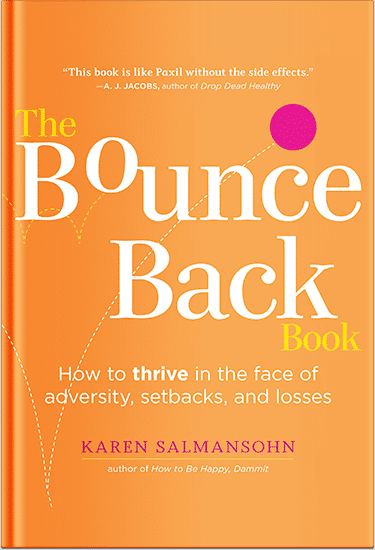
Please go to your inbox and click the confirmation link we just emailed you so you can start to get your free weekly NotSalmon Happiness Tools! Plus, you’ll immediately receive a chunklette of Karen’s bestselling Bounce Back Book!