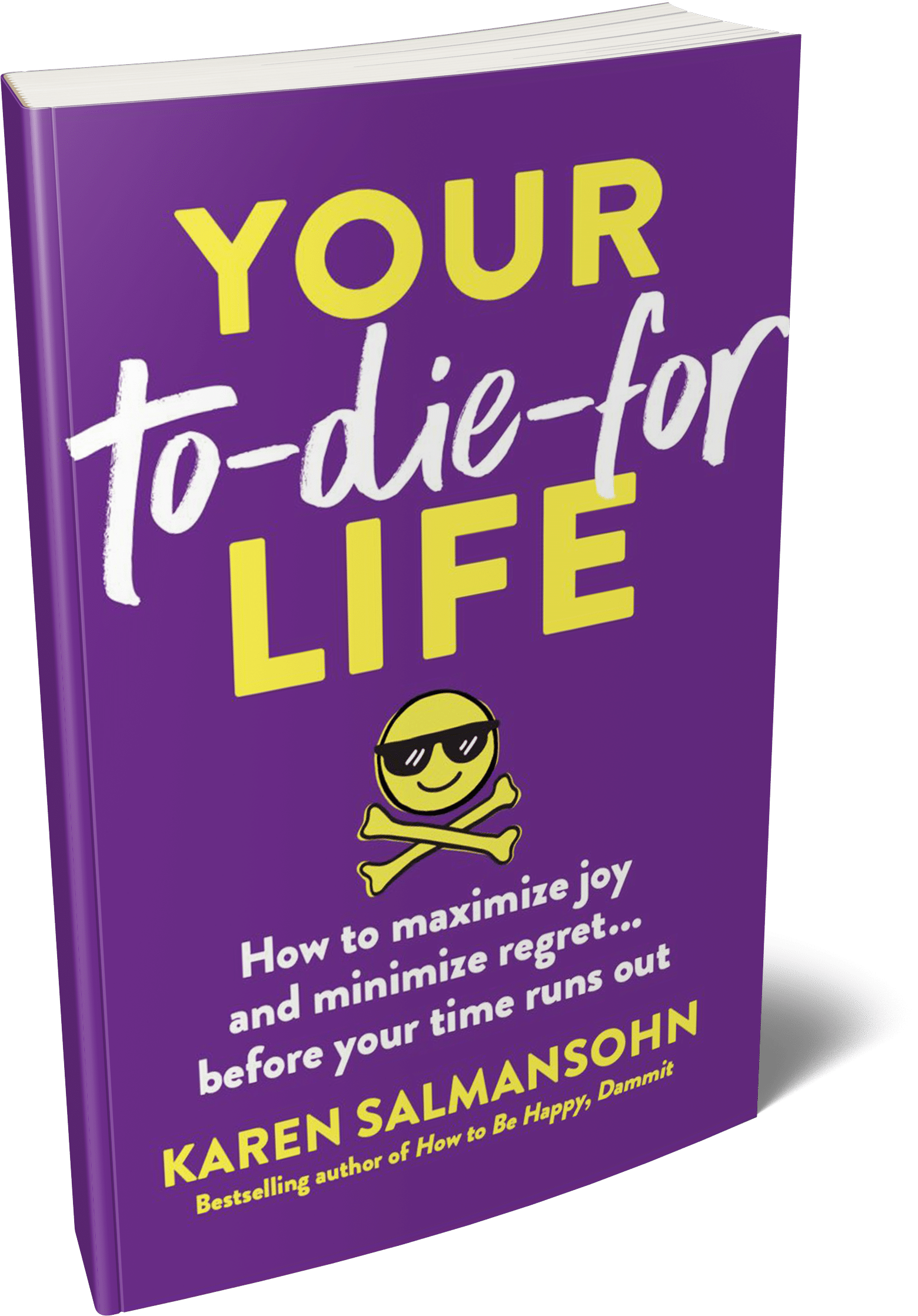

Get A Sneak Peek at my book “Your To-Die-For Life”!
Get a FREE sneak peek! Learn how to use Mortality Awareness as a wake up call to live more boldly.


 Everyone develops ways to cope with stress. Some are healthy, like exercise or talking to a friend. Others are less helpful but still common, such as avoidance or distraction. At first, these strategies can feel effective. They get you through difficult moments and help you function day to day.
But coping mechanisms are not meant to carry the full weight of ongoing emotional strain. Over time, what once worked can begin to fail. When that happens, it’s not a personal weakness—it’s a signal. A sign that something deeper needs attention.
Understanding when coping stops working is an important step toward meaningful change.
Coping refers to the thoughts and behaviors people use to manage stress, emotional pain, or challenging situations. It’s a natural and necessary part of life. Without coping strategies, even minor setbacks could feel overwhelming.
There are generally two types:
The distinction matters. Adaptive coping tends to improve long-term well-being. Maladaptive coping may provide short-term relief but often creates new problems over time.
At first, even unhealthy coping can seem effective. That’s what makes it difficult to recognize when things are shifting in the wrong direction.
The transition from “managing” to “struggling” is rarely obvious. It happens gradually. Small changes build up until they become hard to ignore.
Stress becomes persistent instead of situational. Even minor tasks feel exhausting. You may notice that your emotional baseline has shifted, and calm moments are rare.
Activities that once brought relief—like hobbies, socializing, or rest—stop making a difference. You may still go through the motions, but the benefit is gone.
Instead of addressing problems, you begin to avoid them. This might look like procrastination, withdrawing from responsibilities, or ignoring important conversations.
Rather than feeling too much, you may start feeling very little. This numbness can be just as concerning as anxiety or sadness. It often signals emotional overload.
You may notice cycles in your behavior. The same issues arise again and again, despite your efforts to handle them differently.
These signs don’t mean you’ve failed. They mean your current tools are no longer enough for what you’re facing.
Many coping strategies are designed for immediate comfort. That’s not inherently wrong. The problem arises when short-term solutions begin to create long-term consequences.
For example:
Over time, these patterns can become deeply ingrained. They start to shape how you respond to stress automatically, often without conscious awareness.
This is where many people get stuck. They recognize something isn’t working, but they don’t know how to change it.
When coping mechanisms stop working, people often look for stronger ways to manage discomfort. This is where the risk of harmful behaviors increases.
Substances or compulsive habits can provide quick relief. They may temporarily reduce anxiety, numb emotional pain, or create a sense of escape. But this relief is short-lived. Over time, it can lead to dependence and additional challenges.
Addiction rarely begins as a desire to cause harm. It often starts as an attempt to cope more effectively.
That’s why recovery is such an important part of the conversation. It’s not just about stopping a behavior. It’s about replacing it with healthier, sustainable ways of managing stress and emotions. Understanding How Soba Recovery Center can help people with addiction highlights the value of structured, compassionate care in breaking these cycles and building long-term resilience.
Addressing addiction requires more than willpower. It requires the right environment, tools, and support system.
There is a strong cultural emphasis on resilience. Phrases like “just keep going” or “stay strong” are often seen as positive. And sometimes, they are.
But constant endurance without support comes at a cost.
Pushing through can lead to:
Eventually, the effort required to maintain this approach becomes unsustainable. What once felt like strength begins to feel like survival.
At this stage, continuing to rely on the same coping methods can make things worse rather than better.
Recognizing that you need support is not a sign of weakness. It’s a shift toward problem-solving. It means you’re ready to move beyond temporary fixes and address the root of what’s happening.
Professional support offers something coping strategies alone cannot:
Support also reduces isolation. It reminds you that your experiences are valid and that change is possible.
It’s not always easy to decide when to seek support. Many people wait until things feel unmanageable. But there are earlier signs that shouldn’t be ignored.
Consider reaching out if:
You don’t need to reach a crisis point. In fact, early support is often more effective and less overwhelming.
Support can take many forms, depending on your needs. There is no single path that works for everyone.
Therapists and counselors help you explore underlying issues, develop healthier coping strategies, and create a plan for change. Sessions provide a safe, structured space to process your experiences.
Connecting with others who share similar challenges can reduce feelings of isolation. It also offers practical insights and encouragement.
Techniques like mindfulness, physical activity, and stress management practices can complement professional support. They help regulate the body and mind.
Support is not a one-time solution. It’s an ongoing process that adapts as your needs change.
The key is finding a combination that works for you.
There is a difference between coping and healing.
Both are important. But when coping stops working, it’s often because healing hasn’t been addressed yet.
Healing involves:
It takes time. It requires patience. But it leads to lasting change.
The idea of seeking support can feel overwhelming. Uncertainty, stigma, or fear of change can all play a role. These feelings are normal.
What matters is taking a small, manageable step forward.
This might mean:
You don’t need to have everything figured out. You just need to begin.
Coping strategies are essential, but they are not always enough. When they stop working, it’s not a failure—it’s a signal that something deeper needs attention. Recognizing this shift allows you to move from temporary solutions to meaningful support.
Real change happens when you address the root causes, not just the symptoms. With the right guidance and resources, it’s possible to build healthier patterns, regain stability, and create a more sustainable way forward.
P.S. Before you zip off to your next Internet pit stop, check out these 2 game changers below - that could dramatically upscale your life.
1. Check Out My Book On Enjoying A Well-Lived Life: It’s called "Your To Die For Life: How to Maximize Joy and Minimize Regret Before Your Time Runs Out." Think of it as your life’s manual to cranking up the volume on joy, meaning, and connection. Learn more here.
2. Life Review Therapy - What if you could get a clear picture of where you are versus where you want to be, and find out exactly why you’re not there yet? That’s what Life Review Therapy is all about.. If you’re serious about transforming your life, let’s talk. Learn more HERE.
Think about subscribing for free weekly tools here.
No SPAM, ever! Read the Privacy Policy for more information.
