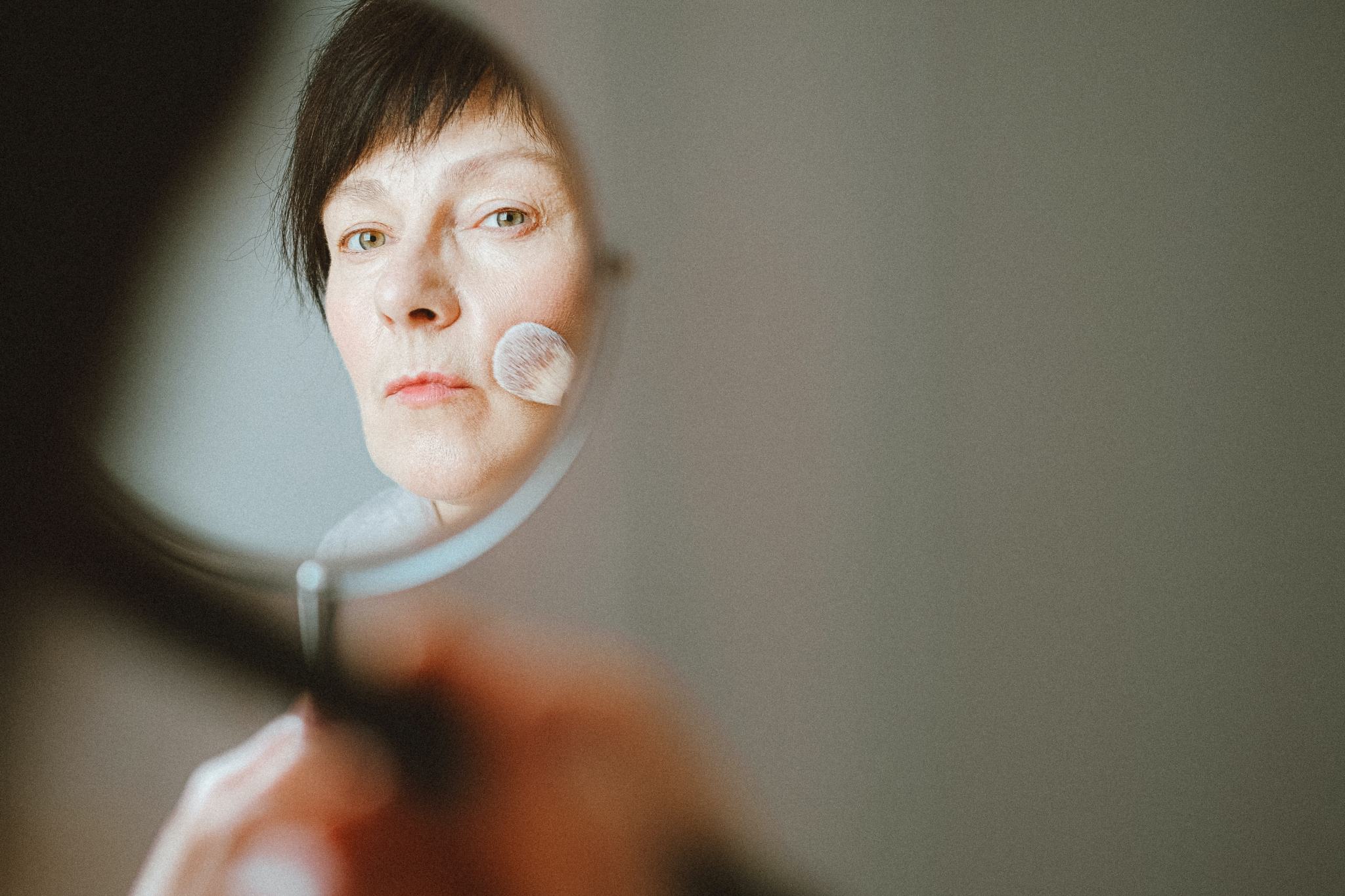
 The eyes may or may not be the window to the soul, but they play a big role in how we move through the day. When the eyelids start to droop or feel heavy, the change isn’t only about appearance.
Vision can feel slightly blocked, eyes may get tired faster, and simple tasks like reading or driving can take more effort than before. Research paper shows that eyelid-related conditions like ptosis are fairly common, with studies estimating prevalence rates between about 4.7% and 13.5% in adults, especially as people age.
Blepharoplasty is a procedure that can address concerns in both the upper and lower eyelids. Some people explore it for cosmetic reasons, while others begin looking into it because of functional problems that affect daily comfort and sight. In Honolulu, where bright light and outdoor routines are part of everyday life, even small changes around the eyes can feel more noticeable over time.
Below are some of the most common functional issues that lead people to consider this procedure.
1. Drooping Eyelids That Interfere with Vision
This is often when people start paying closer attention to changes around their eyes. A drooping upper lid can create a sense of heaviness and, over time, may slightly affect how clearly someone sees. Reading might feel more tiring, and some people find themselves lifting their brows without noticing, just to keep their vision open.
Once vision starts to feel limited, people begin researching options more seriously. In those moments, information about procedures like blepharoplasty in Honolulu often comes up as part of understanding what might help restore a clearer field of view.
Many individuals in the area also turn to REI Facial Plastic Surgery for guidance when trying to learn more about the procedure, what to expect, and how functional concerns around the eyes are typically evaluated before making a decision. Their team provides personalized consultations, carefully reviewing both cosmetic goals and functional issues such as vision obstruction or eyelid laxity. Patients are guided through each step of the process so they feel informed, comfortable, and confident before moving forward.
2. Frequent Forehead Tension from Raising the Brows
Many people don’t realize they’re doing this until someone points it out. The brows lift slightly, almost automatically, to keep the eyelids from blocking vision. It becomes a habit. A silent adjustment the body makes to compensate.
Over time, this repeated movement can lead to tension across the forehead. Some people experience pressure. Others notice mild headaches by the end of the day. It’s not always severe, but present somewhere.
Once the eyelids begin to droop, the forehead ends up taking on extra work. The connection between the two becomes clearer only after paying attention to daily comfort levels.
3. Constant Eye Fatigue Throughout the Day
Heavy eyelids can make the eyes work harder than they should. People sometimes describe it as a tired feeling that doesn’t go away, even after a good sleep. By afternoon, the eyes feel strained. Focus drops. Screens become more difficult to look at for long periods.
This kind of fatigue often gets blamed on work hours or lack of rest. Eyelid weight can quietly play a role. When the muscles around the eyes are always working to keep the lids lifted, tension builds up over time.
Small tasks begin to feel more demanding. Reading longer emails. Watching television. Even casual scrolling can start to feel uncomfortable.
4. Trouble Applying Glasses or Seeing Clearly with Them
This might sound small, but it’s something people mention often. Glasses don’t sit the same way. Vision through the upper part of the lens feels restricted. You find yourself adjusting your head position more frequently to see clearly.
Over time, this can affect posture and comfort. It also makes everyday tasks like reading signs or looking at screens slightly more frustrating.
These small adjustments are easy to ignore at first. But when they happen every day, they add up. And that’s usually when people begin to look at the bigger picture.
5. Difficulty Keeping Eyes Fully Open
This is a subtle change at first. You may notice photos where one eye looks slightly more closed than the other. Or feel like you have to make a conscious effort to keep your eyes open during conversations.
This can affect how alert someone feels throughout the day. Even if energy levels are fine, the eyes may not reflect that. The effort to maintain a wide field of vision can become tiring.
In some cases, this also affects how people interact socially. Eye contact feels different. Expressions don’t always match how someone feels inside. It’s not about appearance as much as it is about comfort and ease.
When Functional Changes Start Affecting Daily Life
At first, most of these changes feel small. A little heaviness. Slight strain while reading. A habit of lifting the brows without thinking. It’s easy to brush them off as part of getting older or spending too much time on screens.
But over time, these small signs can start to shape daily routines in subtle ways. Tasks that once felt effortless may begin to take more focus. Eyes may tire earlier in the day. Even bright light can feel more uncomfortable than before.
Not a sudden moment, but a gradual realization that the eyes are working harder than they used to. When that happens, many begin looking for ways to restore ease and clarity in everyday life, especially when vision and comfort start to feel closely connected to how the day unfolds.
Conclusion
Eyelid changes are often associated with aging, but the functional impact is what people notice first. Small shifts in vision. Extra strain. A feeling of heaviness that wasn’t there before. These are everyday experiences, not dramatic events.
The thought of blepharoplasty begins not with appearance but with comfort. The desire to see clearly. To reduce tension. To move through the day without that constant effort around the eyes.
In practice, it’s usually about improving how daily life feels. And when simple tasks start requiring more energy than they used to, people naturally begin looking for ways to restore ease and clarity.
P.S. Before you zip off to your next Internet pit stop, check out these 2 game changers below - that could dramatically upscale your life.
1. Check Out My Book On Enjoying A Well-Lived Life: It’s called "Your To Die For Life: How to Maximize Joy and Minimize Regret Before Your Time Runs Out." Think of it as your life’s manual to cranking up the volume on joy, meaning, and connection. Learn more here.
2. Life Review Therapy - What if you could get a clear picture of where you are versus where you want to be, and find out exactly why you’re not there yet? That’s what Life Review Therapy is all about.. If you’re serious about transforming your life, let’s talk. Learn more HERE.
Think happier. Think calmer.
Think about subscribing for free weekly tools here.
No SPAM, ever! Read the Privacy Policy for more information.
One last step!
Please go to your inbox and click the confirmation link we just emailed you so you can start to get your free weekly NotSalmon Happiness Tools! Plus, you’ll immediately receive a chunklette of Karen’s bestselling Bounce Back Book!


