

Get A Sneak Peek at my book “Your To-Die-For Life”!
Get a FREE sneak peek! Learn how to use Mortality Awareness as a wake up call to live more boldly.


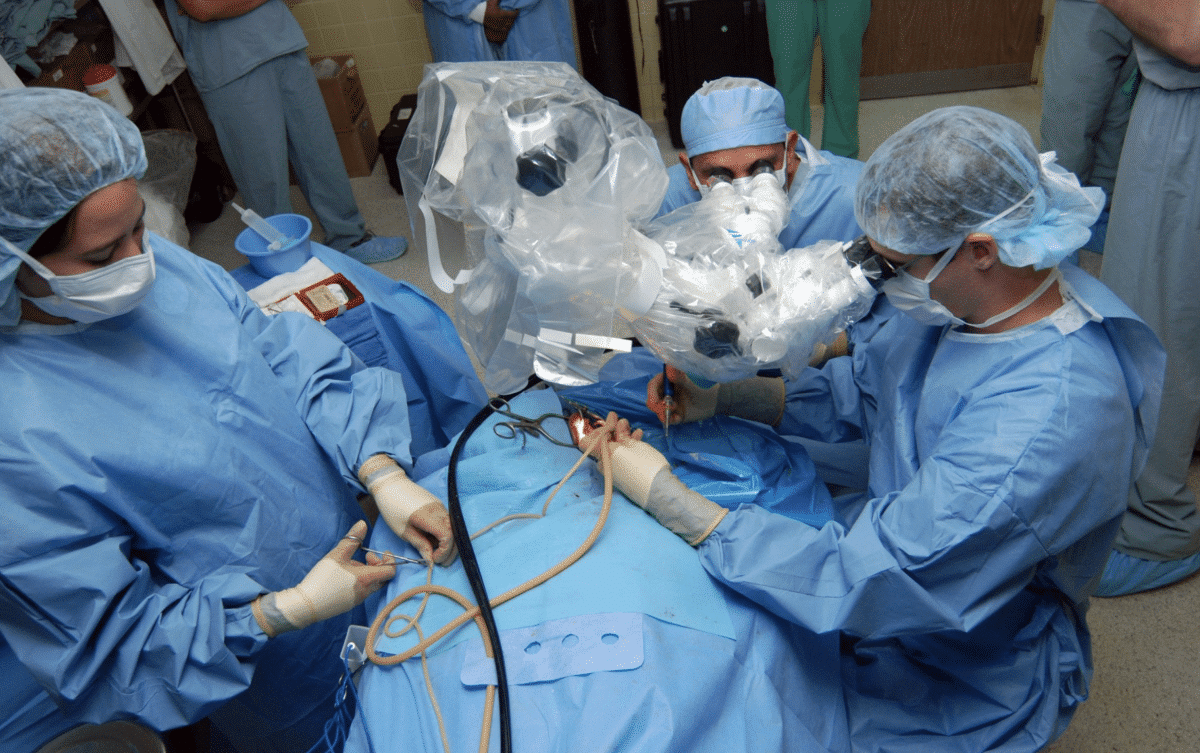 Orbital decompression surgery creates more space inside the eye socket when swollen tissues or enlarged muscles push the eye forward. The procedure treats pressure, exposure, double vision, and appearance changes linked most often to thyroid eye disease. It does not correct every eye problem. A careful evaluation determines whether surgery fits a patient’s condition, and the approach depends on the location of the crowding. Knowing the basics helps patients prepare for a focused discussion with an orbital specialist.
Patients often search for clear information about what is orbital decompression surgery after noticing bulging eyes, eyelid retraction, dryness, or vision changes. The term describes surgery that enlarges the bony orbit by removing selected bone, fat, or both. This extra room reduces pressure and lets the eye sit farther back. Treatment depends on symptoms, imaging, eye movement, and disease activity.
Thyroid eye disease causes inflammation and swelling in the tissues around the eyes. Enlarged eye muscles and additional orbital fat can push the eyes forward, prevent complete eyelid closure, and increase surface dryness. Severe swelling can also compress the optic nerve, which carries visual signals from the eye to the brain.
Orbital decompression addresses the limited space behind the eye. By enlarging the orbit, the procedure reduces crowding and allows the eye to move backward. Patients pursue surgery for corneal exposure, pressure, disfigurement, double vision, or threatened vision.
The surgeon also considers whether the disease remains active. Inflammation can change the tissues after surgery, so treatment timing depends on the patient’s examination and the urgency of the vision problem.
The orbit is a bony cavity with walls shared by the nose and nearby sinuses. During surgery, an orbital surgeon removes selected portions of one or more walls, removes orbital fat, or uses both approaches. The amount of decompression and the location of the crowding guide that choice.
Some procedures use an incision inside the eyelid or through the nose. Others require a small external incision. The surgeon selects the access route according to the orbital anatomy and the treatment plan, while imaging helps identify affected areas before surgery.
Decompression changes the eye’s position, but it does not repair damaged eye muscles. Patients with persistent double vision sometimes need additional treatment after the tissues settle. Eyelid surgery can follow decompression if abnormal eyelid position remains.
Patients commonly experience swelling, bruising, congestion, and pressure around the eyes after surgery. Temporary numbness near the cheek, upper lip, or teeth can also occur, depending on the area treated. The surgical team provides instructions for eye care, medications, activity limits, and follow-up visits.
Vision changes require prompt attention during recovery. New or worsening double vision, reduced vision, severe pain, increasing redness, or difficulty closing the eye requires immediate contact with the surgical team.
Healing continues after the early swelling improves. The final eye position and eyelid appearance can take time to stabilize, especially when thyroid eye disease has affected several orbital structures.
Orbital decompression is a significant operation with risks that require discussion before treatment. Possible complications include bleeding, infection, sinus problems, numbness, eyelid changes, new double vision, altered eye position, and incomplete symptom relief. Serious vision loss is uncommon, but the possibility must be addressed during consent.
A full evaluation includes a medical history, an eye examination, measurements of eye position and movement, and imaging when needed. The surgeon also reviews thyroid control, previous eye treatments, medications, smoking status, and symptoms affecting the cornea or optic nerve.
Patients should ask which orbital walls will be treated, whether fat removal is planned, how double vision will be managed, and what follow-up care involves. These answers clarify the expected result and the possible need for later procedures.
Bulging eyes alone do not determine whether decompression is appropriate. An eye specialist must identify the cause, assess disease activity, and check whether the cornea or optic nerve faces damage. Thyroid eye disease, tumors, inflammation, trauma, and other conditions can produce similar changes.
An urgent evaluation is necessary when vision becomes blurry, colors look less bright, the visual field changes, or eye pain and swelling worsen quickly. These symptoms can indicate pressure on the optic nerve or another condition requiring immediate treatment.
Patients with stable symptoms can schedule a detailed consultation to discuss goals, timing, surgical access, and expected recovery. Bringing previous imaging, thyroid records, and a medication list helps the surgeon conduct an accurate assessment.
Orbital decompression surgery creates room within the eye socket by removing selected bone, orbital fat, or both. It reduces crowding caused by thyroid eye disease and addresses problems such as eye bulging, exposure, pressure, and threatened vision. Results depend on disease activity, orbital anatomy, and the treatment plan. Anyone with changing vision, corneal dryness, or prominent eyes should arrange an evaluation with an orbital specialist and ask which treatment sequence fits the condition.
P.S. Before you zip off to your next Internet pit stop, check out these 2 game changers below - that could dramatically upscale your life.
1. Check Out My Book On Enjoying A Well-Lived Life: It’s called "Your To Die For Life: How to Maximize Joy and Minimize Regret Before Your Time Runs Out." Think of it as your life’s manual to cranking up the volume on joy, meaning, and connection. Learn more here.
2. Life Review Therapy - What if you could get a clear picture of where you are versus where you want to be, and find out exactly why you’re not there yet? That’s what Life Review Therapy is all about.. If you’re serious about transforming your life, let’s talk. Learn more HERE.
Think about subscribing for free weekly tools here.
No SPAM, ever! Read the Privacy Policy for more information.
