 The digital landscape is built on the currency of ideas. For entrepreneurs, and creative professionals, the ability to consistently produce high-quality content is often the difference between a growing audience and a stagnant one.
However, almost every creator eventually hits a wall where the reservoir of inspiration runs dry. This phenomenon, commonly known as writer’s block, is rarely a lack of talent; rather, it is a complex intersection of perfectionism, mental fatigue, and a lack of structured systems.
Turning ideas into action requires more than just “waiting for the muse.” It requires a shift in perspective—from viewing writing as a mystical spark to treating it as a manageable, repeatable process.
Understanding the Roots of Stagnation
Before we can solve writer’s block, we must understand why it happens. Psychologists often point to three main culprits: high expectations, the fear of judgment, and the “paradox of choice.” When we stare at a blank screen, we aren’t just looking at a cursor; we are looking at the weight of our own expectations. We want the first draft to be the final draft.
In reality, the first draft is simply meant to exist. By lowering the barrier to entry, we allow the brain’s “flow state” to take over. Setting a routine is essential to signal to the brain that it is time to work, regardless of how “inspired” one feels. Tools like Focus@Will provide scientifically-engineered music to help induce this state of deep concentration.
The Power of the “Ugly First Draft”
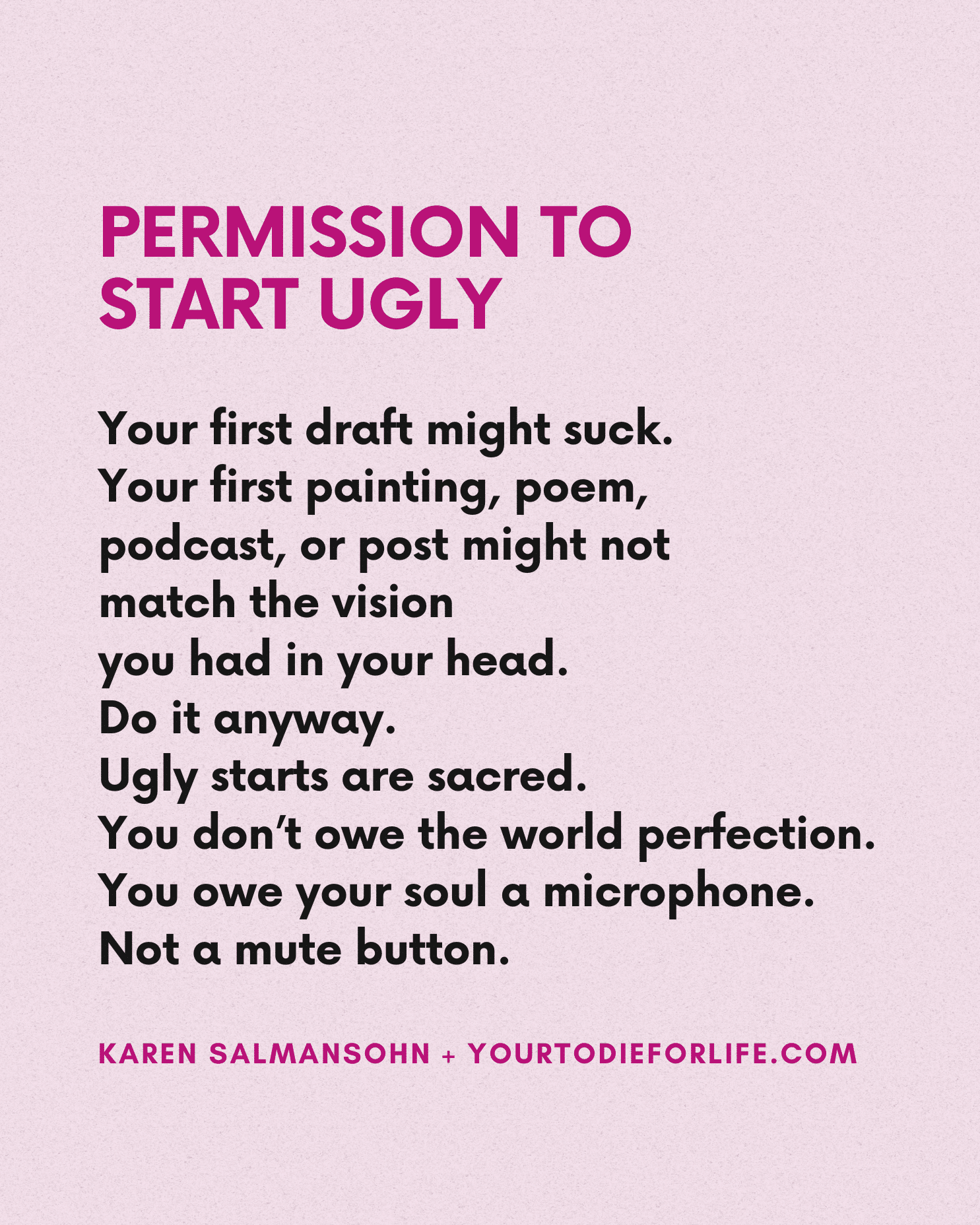 One of the most effective strategies for overcoming a creative block is the concept of the “Ugly First Draft.” The goal here is to silence the internal editor. When you are in the ideation phase, your only job is to get thoughts onto the page. Grammar, syntax, and even logical flow are secondary.
If you find that the pressure of creating a polished piece is too high, it can be helpful to lean on professional frameworks. For instance, many professionals utilize writing services by Ivory Research to help structure complex arguments or conduct the deep-dive research necessary to give an article its backbone. Using external expertise allows you to focus on the creative “vision” while ensuring the technical foundations are sound. This collaborative approach often breaks the isolation that causes writer’s block in the first place.
Actionable Frameworks to Get Moving
If you are currently staring at a blinking cursor, try these three evidence-based techniques to jumpstart your momentum.
1. The Pomodoro and “Sprint” Method
High-pressure environments often lead to “analysis paralysis.” By using the Pomodoro Technique—working in 25-minute bursts followed by a 5-minute break—you create a sense of urgency that prevents overthinking. You can use free web-based timers like Pomofocus to track these intervals easily. During these sprints, the rule is simple: do not hit the backspace key.
2. Mind Mapping and Non-Linear Outlining
Often, we get stuck because we try to write the introduction first. The introduction is frequently the hardest part of any piece. Instead, start in the middle. Write the section you are most excited about. Use mind-mapping tools like MindMeister or XMind to connect disparate ideas visually before trying to force them into a linear narrative.
3. The “Two-Minute Rule” for Creativity
The “two-minute rule” suggests that if a task takes less than two minutes, do it immediately. In the context of writing, tell yourself you will only write for two minutes. Usually, the hardest part of writing is the transition from “not writing” to “writing.” For those who need a more drastic push, The Most Dangerous Writing App deletes your progress if you stop typing for more than a few seconds, forcing you to maintain momentum.
Leveraging External Research and Data
A common reason for writer’s block is a lack of “fuel.” If you don’t have enough information about a topic, your brain will naturally struggle to form sentences. Deep research is the antidote to a lack of ideas.
To add authority to your content, look toward high-level data sources and trend trackers. For example, using Google Trends can help you pivot your topic toward what audiences are actually searching for today. Additionally, platforms like Statista provide immediate access to market data and consumer statistics that can give your article a professional edge. When you have a wealth of data at your fingertips, the writing often becomes an act of curation and explanation rather than creation from nothing.
The Role of Environment and Physicality
We often forget that writing is a physical act. Sitting in the same chair, looking at the same wall, can create a “contextual rut.” Research into environmental psychology suggests that changing your physical surroundings—moving to a library, a coffee shop, or even just a different room—can trigger new neural pathways.
Additionally, movement itself is a creative stimulant. If you are stuck indoors, try using an app like Headspace for a short “mindful walk” or meditation session. This allows the “incubation” period of creativity to occur, where your subconscious mind works on problems while your conscious mind is occupied with a simple physical task.
From Idea to Action: A Checklist for Site Owners
To ensure your ideas don’t die in your notes app, implement a “Content Pipeline” system:
- The Brain Dump: Use a tool like Evernote or Notion to spend 15 minutes once a week writing down every single idea, no matter how “bad” it seems.
- The Selection: Choose one idea that aligns with your current goals.
- The Skeleton: Create a bulleted outline. What are the three main takeaways?
- The Expansion: Fill in the bullets. If a section is too difficult, skip it and come back, or seek a professional consultation to fill the gaps.
- The Polish: Only after the content is finished should you worry about SEO, formatting, and “perfection.”
Conclusion
Writer’s block is not a permanent state; it is a signal that your current process needs an adjustment. By lowering your initial expectations, utilizing professional support and grounding your work in solid data from practical research tools, you can transform the way you approach content creation.
The goal isn’t to never feel blocked—it’s to have a toolkit ready for when you do. Action is the ultimate cure for doubt. Start with one sentence, no matter how imperfect it feels, and trust that the momentum will follow.
P.S. Before you zip off to your next Internet pit stop, check out these 2 game changers below - that could dramatically upscale your life.
1. Check Out My Book On Enjoying A Well-Lived Life: It’s called "Your To Die For Life: How to Maximize Joy and Minimize Regret Before Your Time Runs Out." Think of it as your life’s manual to cranking up the volume on joy, meaning, and connection. Learn more here.
2. Life Review Therapy - What if you could get a clear picture of where you are versus where you want to be, and find out exactly why you’re not there yet? That’s what Life Review Therapy is all about.. If you’re serious about transforming your life, let’s talk. Learn more HERE.
Think happier. Think calmer.
Think about subscribing for free weekly tools here.
No SPAM, ever! Read the Privacy Policy for more information.
One last step!
Please go to your inbox and click the confirmation link we just emailed you so you can start to get your free weekly NotSalmon Happiness Tools! Plus, you’ll immediately receive a chunklette of Karen’s bestselling Bounce Back Book!


