 Modern life rewards productivity, resilience, and constant availability, which makes it easy to overlook personal limits. Many people continue pushing forward even when stress and emotional fatigue begin to affect their health, relationships, and work.
This is often the point where therapy and counseling services become relevant, even if the need is not yet obvious. Learning to recognize early warning signs can help prevent burnout and support long-term emotional balance.
Signs Your Mind and Body Are Asking for Attention
Mental well-being often manifests as physical and emotional signals before a full crisis occurs. Persistent fatigue, changes in sleep patterns, or frequent headaches can indicate that stress is no longer manageable. Emotional cues such as irritability, numbness, or feeling overwhelmed by small tasks are also important indicators.
Ignoring these signs does not make them go away and often makes them worse. Many people normalize feeling constantly exhausted or anxious because it has become familiar. Recognizing that these symptoms are messages rather than weaknesses is an important first step toward change.
When Daily Coping Strategies Stop Working
Healthy coping habits like exercise, journaling, or talking to friends can be effective, but they have limits. When these strategies no longer bring relief, it may signal that the challenges you are facing require deeper support. Feeling stuck in repetitive thought patterns or emotional loops is a common sign.
Another indicator is when stress begins to interfere with daily functioning. Difficulty concentrating, avoiding responsibilities, or feeling detached from activities you once enjoyed suggests that emotional strain is affecting your quality of life. At this stage, prioritizing mental well-being is a necessity, not a luxury.
Why Early Support Makes a Difference
Seeking support early allows individuals to address concerns before they escalate into more serious conditions. Early intervention can help clarify underlying issues, improve coping skills, and restore a sense of control. It also reduces the likelihood of long-term emotional exhaustion.
Professional guidance offers a structured and confidential space to explore thoughts and emotions safely. Working with trained professionals can provide practical tools and insights that are difficult to access alone. This proactive approach often leads to more sustainable emotional health and improved overall well-being.
Conclusion
Recognizing when to prioritize mental well-being requires honesty, self-awareness, and willingness to pause. Emotional and physical signals are valuable indicators, not inconveniences to ignore. Addressing concerns early can prevent deeper challenges and support a healthier, more balanced life. Making mental well-being a priority is not a sign of weakness, but a commitment to long-term personal and professional resilience.
P.S. Before you zip off to your next Internet pit stop, check out these 2 game changers below - that could dramatically upscale your life.
1. Check Out My Book On Enjoying A Well-Lived Life: It’s called "Your To Die For Life: How to Maximize Joy and Minimize Regret Before Your Time Runs Out." Think of it as your life’s manual to cranking up the volume on joy, meaning, and connection. Learn more here.
2. Life Review Therapy - What if you could get a clear picture of where you are versus where you want to be, and find out exactly why you’re not there yet? That’s what Life Review Therapy is all about.. If you’re serious about transforming your life, let’s talk. Learn more HERE.
Think happier. Think calmer.
Think about subscribing for free weekly tools here.
No SPAM, ever! Read the Privacy Policy for more information.
One last step!
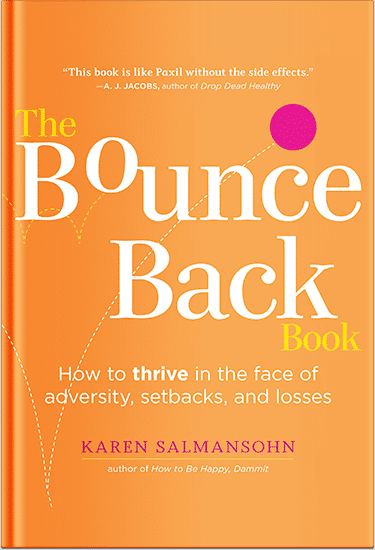
Please go to your inbox and click the confirmation link we just emailed you so you can start to get your free weekly NotSalmon Happiness Tools! Plus, you’ll immediately receive a chunklette of Karen’s bestselling Bounce Back Book!