California’s diverse economy offers many investment opportunities that attract individuals from all walks of life, from startup founders in Silicon Valley to retirees planning for their future. Despite this vibrant landscape, investments don’t always turn out as expected. Losing money can create confusion and frustration, which leaves investors unsure how to proceed. For those facing such setbacks, understanding the path to recovery is key to regaining financial stability and peace of mind.
Whether losses stem from shifting markets, poor management, or external forces, taking thoughtful and informed steps can make a meaningful difference. For those seeking to recover investment losses in California, legal assistance is essential in navigating the complexities involved. Skilled professionals can help clarify options and protect investors’ rights as they rebuild their portfolios. This introduction offers insight and guidance for Californians ready to move past disappointment and explore ways to restore their financial footing with confidence and clarity.
Assessing the Situation
This process starts with assessing the magnitude of the loss. You must get all the information you can about the investment to understand why it performed poorly and learn from similar iterations. Was it market volatility, poor management, or some external factors? Discovering the cause allows us to learn from a mistake and avoid repeating it in the future.
Learning from Mistakes
Each setback is an opportunity to learn something new. Looking back at what went wrong can help gain some insight. Analyzing how one makes decisions and what triggers emotional responses is a good starting point for developing a new approach to future investments. Such awareness about oneself can play a crucial role in avoiding such mistakes.
Seeking Professional Advice
It pays to consult a financial advisor. These specialists can appraise the scene objectively. They may provide insight into reorganizing portfolios or finding other investment opportunities. They have the expertise to better guide individuals in deciding what is next.
Creating a Recovery Plan
Clarity is key; a good plan is imperative. Your plan should contain specific steps to recover the lost investment. That could mean rebalancing what you already have or finding new places to invest. Having realistic goals and timeframes can make the recovery process less burdensome.
Diversifying Investments
A way to mitigate risk is to spread investments across different assets. That way, if one part of the business outweighs the other, the losses can be transferred. Diversification can include stocks, bonds, real estate, or other financial instruments. A properly balanced portfolio can provide stability and aid in growth.
Rebuilding Confidence
A considerable financial loss can rattle one’s confidence. The key is restoring faith in your ability to make sound financial choices, which may involve beginning with smaller, less risky assets. A gradual step towards the familiar will help you regain control when ready.
Staying Informed
Staying current with economic trends or news is essential to prepare for external elements that affect investments. It is a great way to ensure that you make choices at the right time. Getting organized means continuously learning from financial books and courses. This insight enables people to modify plans as needed.
Practicing Patience
Recovery takes time. Practice patience and avoid hasty decisions. Sudden emotional responses may lead to bad decisions. You must focus on the result as your target; a cautious and responsible approach may lead to a good outcome.
Building a Support Network
Having a network of support can help. Joining other investors or investment groups can motivate you and allow you to share stories. This community can give you some guidance, support, and motivation when times get tough.
Exploring Alternative Options
It pays to look elsewhere for growth, such as to sectors outside of the norm or into developing markets. Seeing unconventional doors of opportunity can reveal possibilities for growth and reclamation.
Embracing a Positive Mindset
Having a positive mindset is essential to healing. When you twist a setback positively, a silver lining can develop. You become a creative engineer who finds a way to make things right while recovering with new vigor. A positive mindset is a recipe for building resilience and grit, two qualities you will need to survive financial challenges.
Conclusion
It can be challenging to recover cautiously and steadily from a bad investment. However, proper assessment, avoidance of prior mistakes, and consulting experts can help. Investment diversification, information, and networking also help. Recovery is not merely a possibility but a reality if one thinks positively about it and plans accordingly.
P.S. Before you zip off to your next Internet pit stop, check out these 2 game changers below - that could dramatically upscale your life.
1. Check Out My Book On Enjoying A Well-Lived Life: It’s called "Your To Die For Life: How to Maximize Joy and Minimize Regret Before Your Time Runs Out." Think of it as your life’s manual to cranking up the volume on joy, meaning, and connection. Learn more here.
2. Life Review Therapy - What if you could get a clear picture of where you are versus where you want to be, and find out exactly why you’re not there yet? That’s what Life Review Therapy is all about.. If you’re serious about transforming your life, let’s talk. Learn more HERE.
Think happier. Think calmer.
Think about subscribing for free weekly tools here.
No SPAM, ever! Read the Privacy Policy for more information.
One last step!
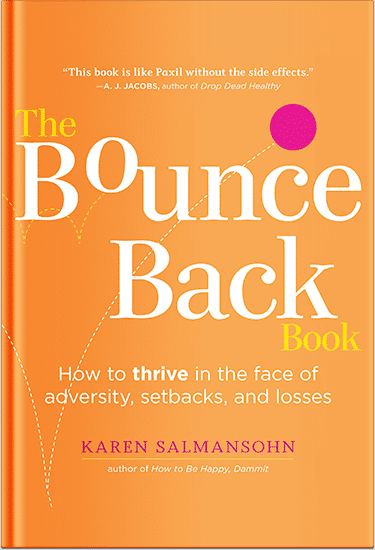
Please go to your inbox and click the confirmation link we just emailed you so you can start to get your free weekly NotSalmon Happiness Tools! Plus, you’ll immediately receive a chunklette of Karen’s bestselling Bounce Back Book!