 Self-care can feel straightforward when life is going well. During a difficult season, however, even familiar routines may become harder to maintain. Work pressures, personal changes, grief, relationship difficulties, or an unusually demanding schedule can leave little energy for the things you normally do for yourself.
This is when a simpler approach can be useful. Self-care does not need to involve an elaborate morning routine or a perfectly planned weekend. It can mean identifying what makes your days more manageable and making space for those things in your schedule. The aim isn’t to ignore difficult feelings, but to support yourself as you work through them.
Start With What You Need Right Now
Before adding new habits, consider what feels most difficult right now. Perhaps you are staying up too late because you cannot switch off after work. Maybe you have stopped making time for meals, movement, hobbies, or friends. Identifying the problem gives you something specific to work with.
Keep the first changes small. You could decide to eat lunch away from your laptop, take a short walk after work, or spend half an hour reading before bed. These actions may sound ordinary, but that is precisely the point. Self-care needs to fit into real life if you want to keep doing it.
Try choosing a few priorities rather than changing everything at once. For example:
- Create a more consistent evening routine.
- Spend some time outside each day.
- Make regular plans with someone you trust.
- Set a boundary around finishing work.
- Give yourself time for an activity you enjoy.
Create a Clear End to the Day
Difficult periods can make evenings feel unsettled. You may finish work but keep checking messages, replaying conversations in your head, or scrolling on your phone because you don’t know what else to do.
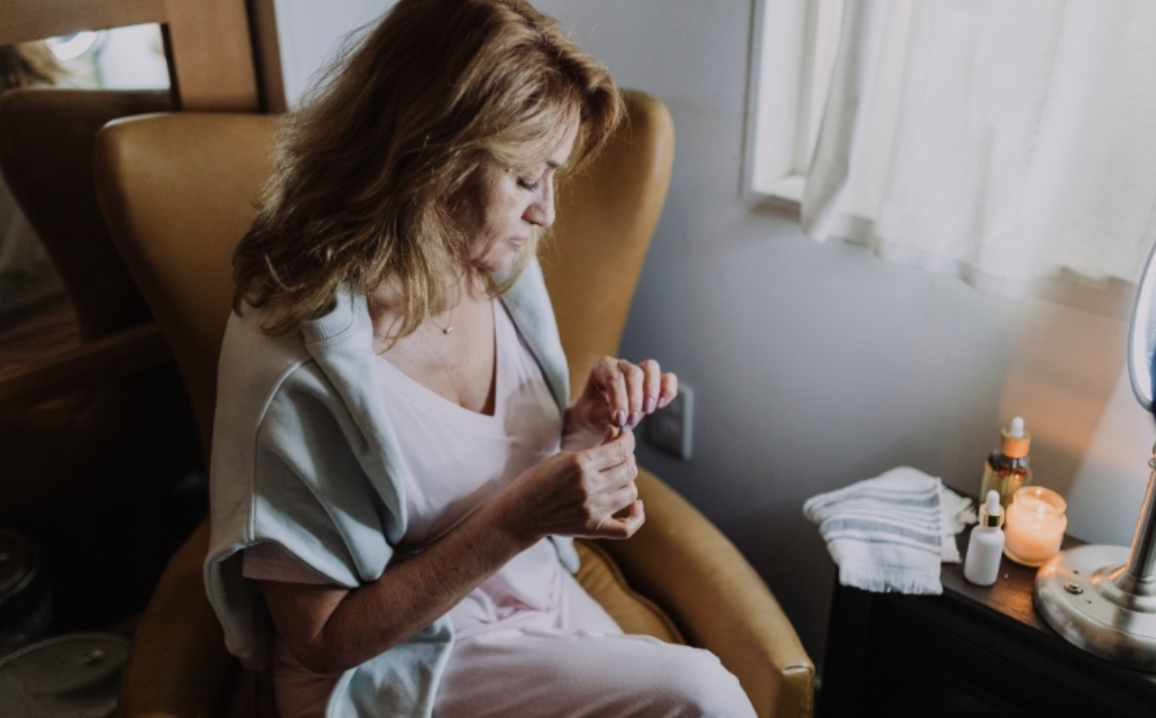
A simple wind-down routine creates a transition between the demands of the day and your personal time. It does not need to take hours.
You might change into comfortable clothes, take a shower, prepare a warm drink, dim the lights, or put your phone somewhere less accessible. Repeating the same few actions can create a familiar structure even when other parts of life feel unpredictable.
Some people also add wellness products to their routines. If you’re interested in researching full-spectrum CBD products, CypressHemp is one option to consider.
CBD should not be treated as a cure for emotional distress or used as a substitute for medical or mental health support when that support is needed. Concentrate on creating an environment that helps you step away from the demands of the day.
Make Space for Things You Genuinely Enjoy
Self-care sometimes becomes another checklist: exercise, journal, meditate, prepare meals, drink water, go to bed early. Those habits may have a place in your routine, but looking after yourself should not consist entirely of tasks you feel obliged to complete.
Think about activities that absorb your attention or make the day feel lighter. That could mean cooking something you love, watching an old film, gardening, listening to music, working on a creative project, or spending an afternoon somewhere new.
Avoid judging an activity solely by whether it is productive. You do not need to turn every hobby into a side hustle or every walk into a fitness goal. Sometimes an activity can be worthwhile simply because you enjoy doing it.
This is particularly useful during difficult periods, when days can begin to revolve around whatever problem you are dealing with.
Stay Connected Without Overloading Yourself
Sometimes you genuinely need space, but complete isolation can also mean losing contact with people whose company you value. You do not need a packed social calendar. Instead, choose forms of connection that feel manageable.
A phone call with a friend may be easier than attending a large gathering. Meeting someone for coffee could feel more comfortable than committing to an entire evening out. You might simply send a message to someone you have not spoken to recently.
It is equally reasonable to decline invitations when you need time to yourself. The goal is to find a balance between rest and connection rather than forcing yourself into social situations because you think you should attend.
If you are comfortable doing so, tell people what you need. Friends and relatives cannot always know whether you want company, practical help, a distraction, or simply somebody to listen.
Know When Self-Care Is Not Enough
A bath, a quiet evening, or a walk can be pleasant, but self-care has limits. It shouldn’t become a way to put the responsibility on yourself to cope with every difficult situation alone.
If you are struggling to manage day-to-day life or have concerns about your mental or physical health, consider seeking appropriate professional support. Asking for help is different from abandoning your self-care routine; the two can coexist.
It can also help to separate problems that require action from those that simply require time. A difficult workload might call for a conversation with your manager. Financial concerns may require practical planning. An ongoing health issue may need professional advice.
Self-care can support you while you address a problem, but it cannot always solve the underlying cause.
Let Your Routine Change With You
Your self-care routine doesn’t have to stay the same throughout a difficult season. Some weeks you may want company and activity. At other times, you may need a quieter schedule.
Pay attention to what is helping rather than following a rigid plan. If journaling starts feeling like homework, stop. If your evening walk becomes the part of the day you look forward to most, keep it.
A useful routine should reduce pressure, not add more.
Final Thoughts
Self-care during a difficult season is rarely about getting everything right. It is about creating enough structure, rest, enjoyment, and connection to make everyday life feel more manageable.
Begin with what you need now rather than copying someone else’s ideal routine. Keep your habits simple, leave space for things you enjoy, stay in touch with people you trust, and recognize when a problem needs more than self-care.
As circumstances change, your routine can change with them. Looking after yourself does not have to be impressive or complicated. Sometimes the most useful approach is to find a few things that make the next day easier and build from there.
P.S. Before you zip off to your next Internet pit stop, check out these 2 game changers below - that could dramatically upscale your life.
1. Check Out My Book On Enjoying A Well-Lived Life: It’s called "Your To Die For Life: How to Maximize Joy and Minimize Regret Before Your Time Runs Out." Think of it as your life’s manual to cranking up the volume on joy, meaning, and connection. Learn more here.
2. Life Review Therapy - What if you could get a clear picture of where you are versus where you want to be, and find out exactly why you’re not there yet? That’s what Life Review Therapy is all about.. If you’re serious about transforming your life, let’s talk. Learn more HERE.
Think happier. Think calmer.
Think about subscribing for free weekly tools here.
No SPAM, ever! Read the Privacy Policy for more information.
One last step!
Please go to your inbox and click the confirmation link we just emailed you so you can start to get your free weekly NotSalmon Happiness Tools! Plus, you’ll immediately receive a chunklette of Karen’s bestselling Bounce Back Book!