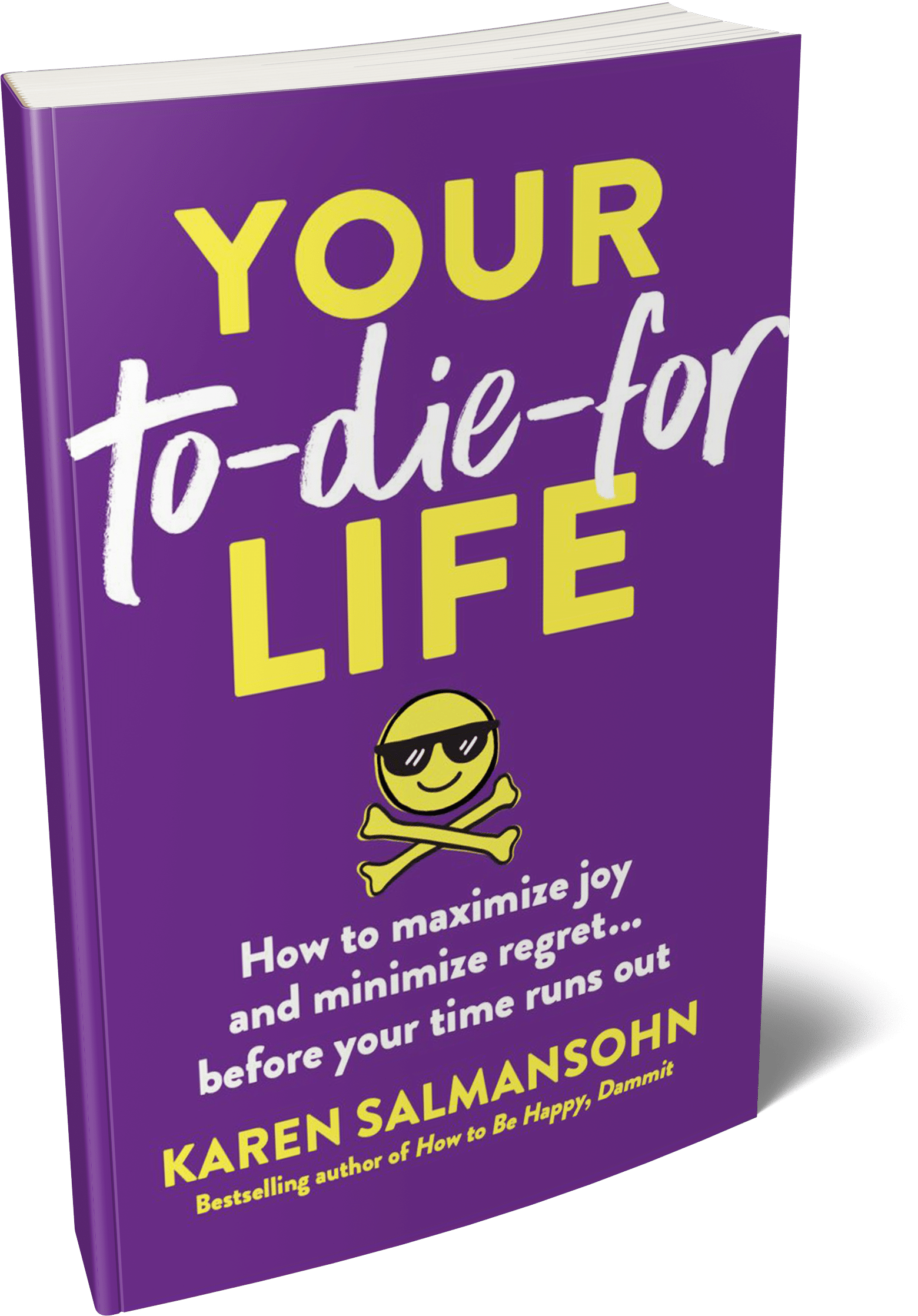

Get A Sneak Peek at my book “Your To-Die-For Life”!
Get a FREE sneak peek! Learn how to use Mortality Awareness as a wake up call to live more boldly.


 Somewhere along the way, many of us absorb the idea that ambitious travel belongs to younger people. Perhaps you haven’t travelled independently for years, technology feels different, or everyone around you questions whether going alone is really a sensible thing to do anymore.
Those concerns can create a real confidence gap between the trip you want and the one you feel ready to book. Yet turning 50 doesn’t suddenly determine your health, mobility, digital skills or appetite for adventure. The good news? Confidence can grow again when you replace broad assumptions with specific, solvable questions.
“I need a reliable way to reach my hotel after a late flight” describes a planning problem. “I’m too old to navigate a new city” tells a story about age. The first statement leads to useful research; the second closes the trip down before it begins. Which one would you rather listen to?
Try writing down exactly what worries you, then ask what would make that part easier. A direct flight might remove a tight connection, while a staffed hotel near a station could make the first evening feel more manageable. If solo travel itself feels unfamiliar, start by building confidence step by step on an independent trip closer to home. A weekend in another city lets you practise eating alone, following directions and changing a plan without turning the experience into a huge test. Appropriate over 50 travel insurance for a more ambitious journey can form part of that preparation, particularly if you have pre-existing conditions or costly bookings. But read the policy limits, exclusions, declaration requirements and assistance process rather than assuming that any cover automatically fits your circumstances.
Pace reflects personality, priorities and the kind of holiday you want – and not your age. One traveller might enjoy changing hotels every night; another may choose one apartment and take day trips because constant packing adds nothing to the experience. Design the itinerary around what helps you feel curious, not stressed or depleted. After a long-haul arrival, for example, a free afternoon can give you time to settle in before a busy tour. Paying more for a direct train may also make sense if it protects half a day that you would otherwise spend hauling luggage between platforms. This isn’t “slowing down because you are older”. It’s spending time and money where they improve the trip.
You absolutely don’t need to master every travel app before leaving home. If you want, pick one unfamiliar tool, learn the feature you need and test it somewhere familiar. Downloading an offline map can remove the fear of losing signal, while a translation tool may help with a menu or station announcement. Digital boarding passes offer convenience, but a saved screenshot or paper copy gives you another option if the app fails. The 2026 AARP research into travel among adults over 50 found that nearly two-thirds planned to travel that year and that more people were using digital tools to shape their trips. The findings also make an important distinction: health and accessibility needs influence how people travel, not whether they travel.
Confidence doesn’t require believing that nothing will go wrong – it comes from knowing what you would do next if something goes wrong. Give someone you trust your itinerary, accommodation details and flight numbers, and agree how often you will check in. Keep essential contacts and booking documents available offline, with a second copy stored separately. Flexible rates may deserve the extra cost when losing several prepaid nights would strain your budget. Sensible connection times protect you from running through an unfamiliar airport, and a modest emergency fund can cover an unexpected taxi or another night near the station.
It should not be a stereotype about people in their fifties. If you travel with a medical condition, check any relevant documentation, medication rules and policy declarations in good time without turning the holiday into a risk assessment. Remember that a GHIC doesn’t pay for private healthcare or every additional cost connected with treatment, but is still very good to have. I also recommend carrying policy details with you and sharing them with somebody at home. That way, you know where to begin if plans change. Think of it as stretching beyond your comfort zone in manageable steps, not waiting until fear disappears completely.
The confidence gap often survives because we treat confidence as something we must possess before taking action. In reality, action creates the evidence that builds it. Each new successful journey and conversation in an unfamiliar place reminds you that you can handle more than anxiety predicted. Travel after 50 doesn’t need to look cautious or conventional. It only needs to fit the person you are now – and the adventure you want next.
P.S. Before you zip off to your next Internet pit stop, check out these 2 game changers below - that could dramatically upscale your life.
1. Check Out My Book On Enjoying A Well-Lived Life: It’s called "Your To Die For Life: How to Maximize Joy and Minimize Regret Before Your Time Runs Out." Think of it as your life’s manual to cranking up the volume on joy, meaning, and connection. Learn more here.
2. Life Review Therapy - What if you could get a clear picture of where you are versus where you want to be, and find out exactly why you’re not there yet? That’s what Life Review Therapy is all about.. If you’re serious about transforming your life, let’s talk. Learn more HERE.
Think about subscribing for free weekly tools here.
No SPAM, ever! Read the Privacy Policy for more information.