
Get A Sneak Peek at my book “Your To-Die-For Life”!
Get a FREE sneak peek! Learn how to use Mortality Awareness as a wake up call to live more boldly.


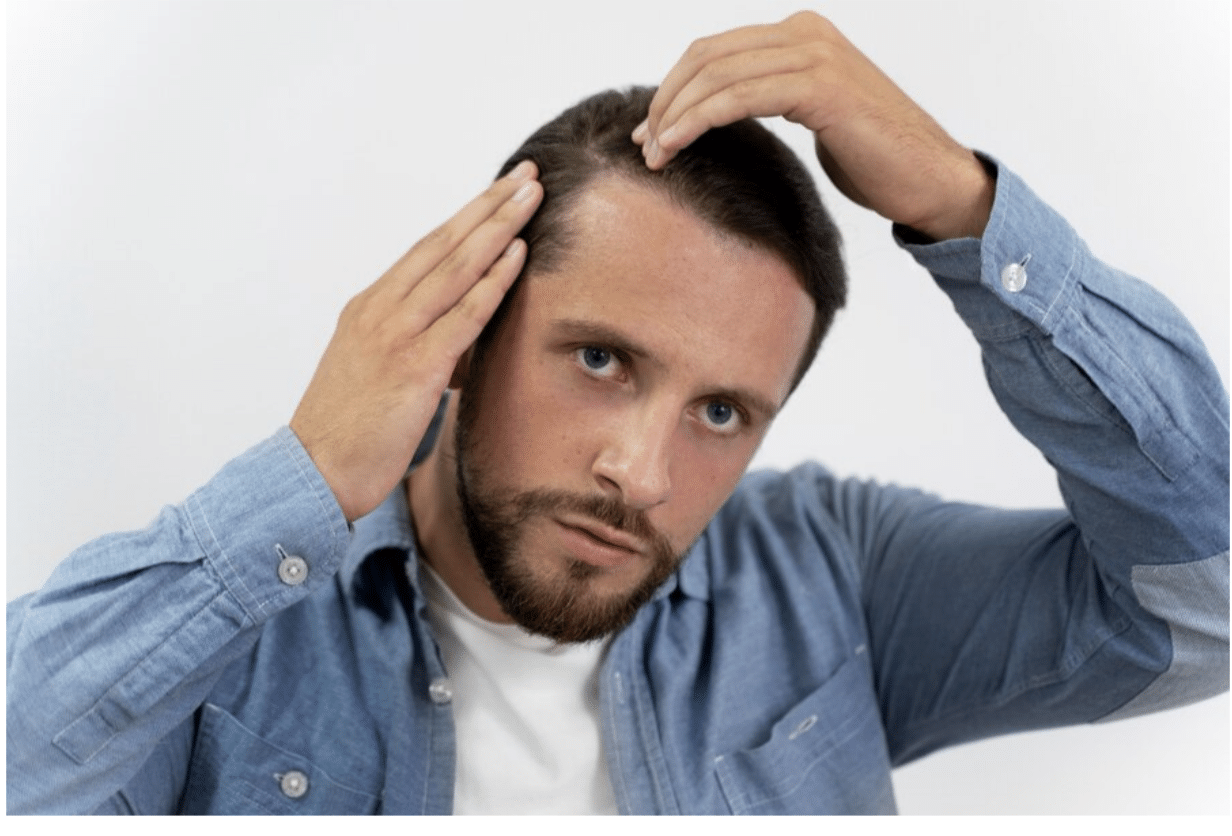 A receding hairline can change the way a person feels about their appearance. You may notice more of your forehead when looking in the mirror, or find that your usual hairstyle no longer looks the same. Hair loss often happens slowly, which gives you time to explore your options. Still, choosing a treatment can feel confusing, especially with newer technology now available.
For people considering hair restoration in Orlando, a robotic procedure may be worth learning about. It uses imaging and computer-guided tools to help collect healthy hair follicles from one part of the scalp and move them to areas with less hair.
But can it bring back a natural-looking hairline? The answer depends on your hair loss, donor hair, and the skill of the medical team.
A robotic hair transplant usually uses a method called follicular unit extraction, or FUE. Instead of removing a strip of scalp, the system helps collect individual hair follicles from a donor area, often at the back or sides of the head.
The ARTAS iX system uses high-definition imaging to study hair follicles and help select suitable grafts. It can assess their angle, direction, and quality before assisting with extraction. The collected follicles are then prepared and placed into areas where hair is thinning or missing.
The process still needs a surgeon’s judgment. The robot supports parts of the procedure, but it does not make every decision on its own. The surgeon plans the hairline, chooses the treatment approach, and guides the placement so the new hair follows a natural growth pattern.
Yes, a robotic transplant can help rebuild a receding hairline in suitable patients. However, natural results depend on more than the machine used during the procedure.
A good hairline should fit the person’s face, age, and existing hair pattern. It should also allow for the fact that hair loss may continue in other areas. A hairline that looks too low or too full may seem unnatural as the person gets older.
The surgeon must also consider the angle and direction of each graft. Hair near the front of the scalp often grows at a different angle from hair farther back. Placing follicles without respecting this pattern can make the result look less natural.
Not everyone with a receding hairline is ready for a transplant. Robotic hair transplant in Orlando works best when a person has enough healthy donor hair to cover the areas that need treatment. The surgeon also needs to check the scalp, the pattern of hair loss, and how quickly it is progressing.
ARTAS iX may be suitable for people who:
People with very advanced hair loss or limited donor hair may need a different approach. Other options, such as manual FUE or FUT, may be worth discussing. Medication may also help slow ongoing hair loss, depending on the cause and the person’s health.
The machine can help select and collect follicles, but it cannot replace good planning. The surgeon must decide how many grafts are needed, where they should go, and how the new hairline should fit the patient’s face.
For example, the ARTAS iX approach described by Orlando Robotic Hair Restoration uses a mapped hair pattern, called a “hairprint,” to guide the work. Dr. Chetan J. Patel, who oversees the procedure, is noted as having a background in advanced robotics. These details show how the technology and the surgeon’s experience work together.
A careful plan should also leave enough donor hair for the future. Hair loss can continue after a transplant, so the surgeon needs to think beyond the area being treated today.
A hair transplant does not produce a full hairline overnight. Some redness, swelling, or sensitivity around the treated areas may occur during the first few days. Patients need to follow their aftercare instructions and avoid rubbing or scratching the scalp while the grafts settle.
The transplanted hairs may fall out during the first few weeks. This can be worrying, but it is a normal part of the process. New growth usually begins after a few months, with fuller results developing gradually over the following year or longer.
Patients should also attend follow-up visits and ask when they can return to exercise, work, and their usual hair care routine. Recovery times can vary based on the number of grafts and individual healing.
A robotic hair transplant can help restore a receding hairline when the person has suitable donor hair and a well-planned treatment. The technology can support careful follicle selection and harvesting, but the final result still depends on the surgeon’s decisions and the patient’s hair loss pattern.
Before choosing surgery, have your scalp examined and discuss what you can reasonably expect. A good plan should consider your current hairline, future hair loss, and the amount of donor hair available. That way, you can make a choice based on your needs rather than the promise of a quick change.
P.S. Before you zip off to your next Internet pit stop, check out these 2 game changers below - that could dramatically upscale your life.
1. Check Out My Book On Enjoying A Well-Lived Life: It’s called "Your To Die For Life: How to Maximize Joy and Minimize Regret Before Your Time Runs Out." Think of it as your life’s manual to cranking up the volume on joy, meaning, and connection. Learn more here.
2. Life Review Therapy - What if you could get a clear picture of where you are versus where you want to be, and find out exactly why you’re not there yet? That’s what Life Review Therapy is all about.. If you’re serious about transforming your life, let’s talk. Learn more HERE.
Think about subscribing for free weekly tools here.
No SPAM, ever! Read the Privacy Policy for more information.