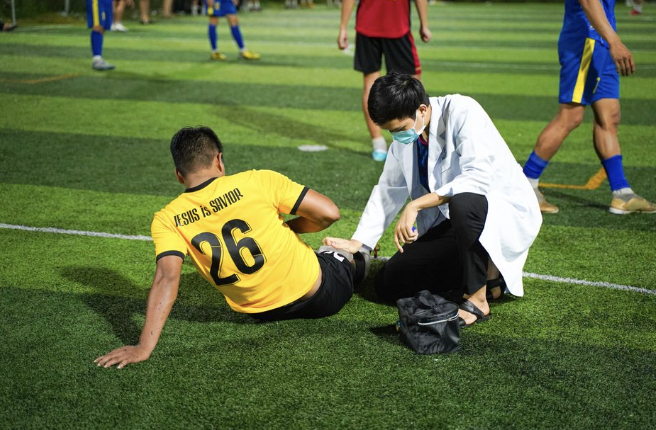
 An event can be carefully organized and still encounter an unexpected medical emergency. Crowded entrances, prolonged standing, physical activity, and warm weather can turn an ordinary gathering into a demanding environment. Organizers often concentrate on scheduling and guest experience, leaving health arrangements until late in the process.
Yet medical planning determines how quickly a person receives appropriate help and whether staff know what to do while that help arrives. It belongs in the original event plan, not among the last-minute additions.
Recognize That Small Events Have Real Risks
Medical incidents are not reserved for crowded festivals. A conference attendee may faint after standing for hours. Someone at a private celebration could experience a severe allergic reaction. A participant at a charity event might fall or struggle with an existing medical condition.
The size of the gathering matters, but so do its activities and attendees. A small event involving strenuous exercise may require more preparation than a larger, seated gathering. The goal is to assess foreseeable situations without assuming that every incident will be predictable. Even careful organizers cannot eliminate all risk.
Evaluate the Venue Before Choosing Coverage
Medical planning starts with the physical setting. Ask whether responders can move through crowded areas, how far emergency vehicles must travel, and where an unwell guest could be assessed with reasonable privacy. Narrow corridors and complicated access routes can create avoidable delays.
Weather exposure, event duration, accessible routes, and the availability of drinking water should also influence planning. An outdoor event in high temperatures carries different concerns from an indoor presentation. Attendance estimates alone will not tell you which resources are appropriate.
Professional event medical coverage can help organizers match medical staffing to those conditions. Depending on the risk assessment, arrangements may involve trained emergency medical personnel, first-aid stations, mobile teams, or an ambulance on standby. The important detail is choosing support that fits the event rather than buying an identical package for every venue.
Prepare for Heat Before Someone Becomes Unwell
Heat is not simply a comfort issue. Prolonged exposure can contribute to dehydration and heat-related illness, especially when people are active or unable to find a cooler space. Organizers should consider shaded rest areas, accessible drinking water, breaks for workers, and practical ways to communicate changing conditions.
The guidance on protecting health during extreme heat explains the importance of staying cool, maintaining hydration, and recognizing symptoms that require attention. An event’s medical team should know how guests will reach help and when emergency services need to be activated.
Do not assume that distributing water alone makes a hot venue safe. Crowd density, activity levels, and access to cooling matter too.
Make Communication Part of the Response Plan
A medical team cannot respond to an incident it never hears about. Security, volunteers, ushers, and event management need one clear process for reporting concerns. If a guest collapses, staff should know whom to contact immediately and how to describe the location accurately.
Agree on communication channels before opening. A shared venue map can identify medical stations, accessible entrances, and routes for responders. Test radios or other systems where practical. Someone should also be responsible for coordinating with public emergency services when an incident exceeds on-site capabilities.
The plan should remain understandable when conditions are noisy, crowded, or stressful. Elaborate instructions are less useful than responsibilities people actually remember.
Train Staff Without Asking Them to Be Clinicians
Volunteers and general event staff should not diagnose conditions or provide treatment beyond their training. Their role is to recognize when someone needs attention, summon qualified help, and make it easier for responders to reach the person safely.
Brief teams on the location of medical support, emergency contacts, and any designated access routes. They should understand how to report an incident without broadcasting private health information unnecessarily. Where appropriate, identify staff trained in first aid or AED use, but never assume equipment alone replaces trained response.
Clear role assignments reduce hesitation. They also help keep surrounding guests calm and prevent unnecessary crowding around someone receiving care.
Coordinate Emergency Procedures With the Venue
A serious incident may require more than a medical assessment. The event could need to pause, an emergency vehicle might require access, or attendees may need to leave an affected area. Those decisions should have an identified chain of command.
Practical emergency action planning guidance emphasizes defined responsibilities, reporting methods, and evacuation procedures. Specific legal requirements vary by setting, but the underlying planning principle remains valuable: people need to know their roles before an emergency occurs.
Review venue rules, applicable permits, and insurance conditions early. Medical coverage does not replace these obligations, nor does its presence guarantee that an event will avoid disruption or liability.
Review the Plan After the Event
Medical readiness should be evaluated once the gathering is over. Without sharing confidential patient information, organizers can review response times, communication problems, staffing pressure, and areas where access proved difficult. Near misses also offer lessons.
Ask whether attendees could locate assistance easily and whether staff followed the reporting process. A first-aid station that nobody could find was not positioned effectively, even if it was well equipped.
That review can improve future events without turning every incident into a public discussion. Protecting privacy remains essential.
Treat Preparedness as Part of Hospitality
Guests should be able to enjoy an event without wondering what will happen if they suddenly need help. Thoughtful medical arrangements support that experience quietly, even when no emergency occurs. They also help organizers distinguish a minor concern from a situation requiring urgent escalation.
The strongest plan is proportionate, coordinated, and understood by the people expected to use it. Start with the event’s actual risks, involve the venue and medical professionals early, and give staff clear instructions. When something unexpected happens, preparation cannot guarantee the outcome. It can prevent confusion from becoming another problem.
P.S. Before you zip off to your next Internet pit stop, check out these 2 game changers below - that could dramatically upscale your life.
1. Check Out My Book On Enjoying A Well-Lived Life: It’s called "Your To Die For Life: How to Maximize Joy and Minimize Regret Before Your Time Runs Out." Think of it as your life’s manual to cranking up the volume on joy, meaning, and connection. Learn more here.
2. Life Review Therapy - What if you could get a clear picture of where you are versus where you want to be, and find out exactly why you’re not there yet? That’s what Life Review Therapy is all about.. If you’re serious about transforming your life, let’s talk. Learn more HERE.
Think happier. Think calmer.
Think about subscribing for free weekly tools here.
No SPAM, ever! Read the Privacy Policy for more information.
One last step!
Please go to your inbox and click the confirmation link we just emailed you so you can start to get your free weekly NotSalmon Happiness Tools! Plus, you’ll immediately receive a chunklette of Karen’s bestselling Bounce Back Book!