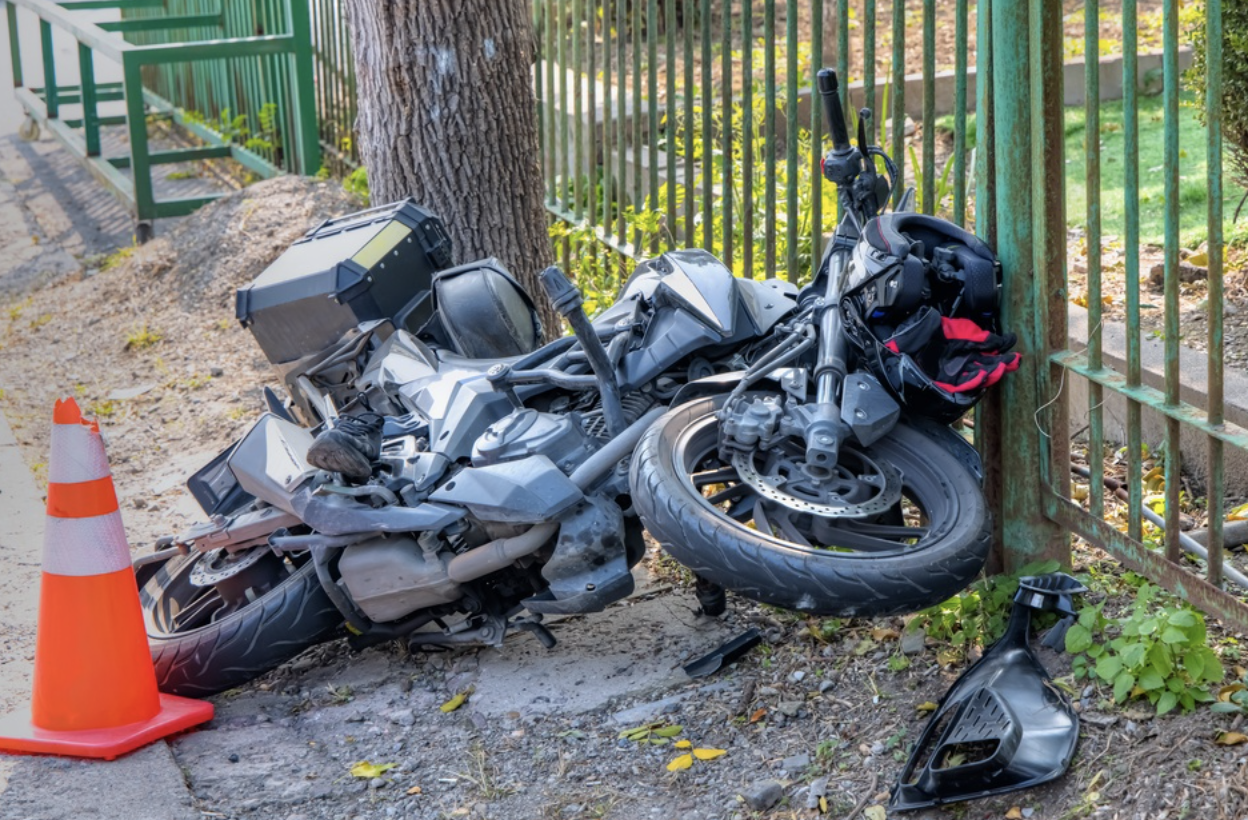
 Austin, TX, has busy roads, quick traffic changes, crowded intersections, and plenty of motorcycles sharing space with larger vehicles. After a serious motorcycle crash, the hardest part may not be seeing the damage. It may be figuring out what actually caused it. A police report can record the basic facts, but a serious crash can involve much more than a few lines on a page. Austin motorcycle accident lawyers may look at road evidence, vehicle damage, witness accounts, videos, and medical records to build a clearer picture.
Let’s have a closer look at how that investigation can come together today.
Rebuilding the Crash From the First Details
A serious crash can leave behind a confusing mix of facts. Lawyers start by gathering the basic information and checking how those details fit together. They may review the police report, crash location, road design, traffic signs, signals, weather, and visible marks on the road.
The goal is to put the events in a clear order. A report may say where the vehicles were found, but other evidence can add details about what happened before the impact. Photos of the road, nearby signs, traffic lanes, and damaged vehicles can become useful parts of that picture.
Collecting Evidence Before It Is Gone
Road evidence does not stay around forever. Skid marks fade, vehicles may be repaired, and security footage can be deleted. A careful investigation may therefore focus on gathering useful material as early as possible.
Evidence may include:
- Photos and videos from the crash scene
- Traffic or nearby business camera footage
- Statements from people who saw the crash
- Vehicle damage photographs
- Road marks, debris, and traffic control details
Austin has many busy roads and commercial areas, so footage from nearby businesses or passing vehicles may sometimes add another view of the crash. Each source needs to be checked and compared with the other evidence.
Looking Closely at the Other Driver’s Actions
A serious motorcycle crash can raise questions about what each driver did before the impact. Lawyers may review witness statements, driver accounts, photographs, video, and other available records to examine the sequence of events.
Possible points of review can include speeding, unsafe turns, failure to yield, lane changes, following distance, or driver distraction. If distraction is suspected, available records may also be examined as part of the investigation. Conflicting accounts can make a crash harder to understand, so investigators compare the details instead of relying on one version alone. That comparison can reveal gaps for review.
Checking the Motorcycle and Other Vehicles
Vehicle damage can tell investigators a great deal about a collision. A motorcycle and the other vehicle may be inspected to look at the location and pattern of damage. Investigators may also examine tires, brakes, lights, steering parts, or other mechanical components if they could be connected to the crash.
Mechanical inspections can also help identify possible vehicle problems that need closer review. The purpose is not to assume a cause but to check the physical evidence against the reported events.
Connecting Crash Evidence With Injuries
A serious investigation also looks at the medical side of the crash. Medical records, emergency treatment, imaging, follow-up visits, and other records can show the injuries that followed the collision.
The investigation may compare those records with the crash details and vehicle damage. This can help create a factual timeline from the collision through treatment. Work records and information about changes to daily activities may also be reviewed to document the effects of the injuries, without making assumptions about the final legal outcome.
Bringing the Evidence Into One Clear Picture
Some crashes are straightforward. Others are not. If accounts conflict or the physical evidence is difficult to interpret, lawyers may work with accident reconstruction professionals or other qualified specialists. These professionals can examine measurements, vehicle damage, road conditions, photographs, and other available evidence.
The investigation can then bring together several separate sources, such as:
- Police reports and witness statements
- Crash scene photographs and video
- Vehicle and motorcycle inspections
- Road and traffic information
- Medical records and treatment history
Looking at these sources together can help show which facts are supported by evidence and which parts of the crash remain disputed.
Serious Crashes Need Careful Fact Finding
A serious motorcycle crash in Austin, TX, can leave behind more than damaged vehicles and medical records. It can also leave unanswered questions about how the collision happened and what evidence supports each account.
Austin motorcycle accident lawyers may review the scene, vehicles, witnesses, videos, and medical records to piece together those facts. A careful investigation puts each detail in the larger picture, helping the evidence speak for itself.
P.S. Before you zip off to your next Internet pit stop, check out these 2 game changers below - that could dramatically upscale your life.
1. Check Out My Book On Enjoying A Well-Lived Life: It’s called "Your To Die For Life: How to Maximize Joy and Minimize Regret Before Your Time Runs Out." Think of it as your life’s manual to cranking up the volume on joy, meaning, and connection. Learn more here.
2. Life Review Therapy - What if you could get a clear picture of where you are versus where you want to be, and find out exactly why you’re not there yet? That’s what Life Review Therapy is all about.. If you’re serious about transforming your life, let’s talk. Learn more HERE.
Think happier. Think calmer.
Think about subscribing for free weekly tools here.
No SPAM, ever! Read the Privacy Policy for more information.
One last step!
Please go to your inbox and click the confirmation link we just emailed you so you can start to get your free weekly NotSalmon Happiness Tools! Plus, you’ll immediately receive a chunklette of Karen’s bestselling Bounce Back Book!