 Some days seem to demand every ounce of emotional energy. A difficult meeting, an unexpected disagreement, a packed schedule, or simply juggling too many responsibilities can leave people feeling mentally drained long after the workday has ended. While it’s tempting to hope that a good night’s sleep will erase the stress, recovery often begins with intentional habits that help create distance between the day’s challenges and personal time.
A reset routine doesn’t need to be complicated or time-consuming. In fact, the most effective ones usually consist of simple actions repeated consistently. By creating a sequence of calming habits, it becomes easier to let go of lingering stress, restore mental clarity, and approach the following day with renewed energy instead of carrying yesterday’s emotional weight forward.
Create a Clear Transition Between Responsibilities and Personal Time
One of the biggest reasons emotional exhaustion lingers into the evening is that many people never truly stop working. Notifications continue to arrive, unfinished tasks remain in the back of the mind, and conversations from earlier in the day replay repeatedly. Without a deliberate transition, the brain struggles to recognize that it’s time to switch from solving problems to recovering from them.
Creating a personal ritual can make that transition feel more natural. Changing into comfortable clothes, taking a short walk, preparing a favorite drink, or simply sitting quietly for ten minutes without checking a phone can all signal that work has ended. People unwind in different ways depending on their preferences, and some also research cannabis-related products as part of their personal downtime.
Those comparing available options may visit https://deltamunchies.com/ to learn more about THC vape pens before deciding whether they fit their individual routine. The goal isn’t to eliminate every stressful thought immediately but to create a consistent boundary that separates professional responsibilities from personal well-being.
Build an Environment That Encourages You to Slow Down
The atmosphere at home plays a surprisingly important role in emotional recovery. Bright overhead lighting, cluttered surfaces, and constant background noise can make it difficult to fully relax, even after the busiest days. Small adjustments, such as using softer lighting, organizing frequently used spaces, or introducing calming scents, often have a greater impact than expensive home upgrades.
Personal rituals can also become part of creating that peaceful environment. Activities like organizing a bookshelf, arranging fresh flowers, or preparing a thoughtful gift naturally encourage slower, more mindful moments. Beautiful presentation often makes those occasions feel even more special, and Aspen & Arlo offers a wide selection of wrapping paper designs that transform simple gift wrapping into a creative part of the experience. Whether preparing for birthdays, holidays, or family celebrations, taking time to focus on something enjoyable provides a welcome mental break from the demands of the day.
Give Your Thoughts Somewhere Else to Go
After emotionally demanding days, the mind often continues working long after responsibilities have ended. Unfinished conversations, future deadlines, and small worries compete for attention, making it difficult to fully relax. Rather than trying to suppress those thoughts, it can be more effective to move them somewhere tangible.
Keeping a notebook nearby provides a simple outlet. Writing down tomorrow’s priorities, lingering concerns, or ideas that shouldn’t be forgotten helps reduce the feeling that everything must remain actively remembered. The goal isn’t to solve every problem before bed but to reassure the mind that those thoughts have been safely captured and can be revisited later.
Many people also find that writing creates perspective. Concerns that seemed overwhelming during the day often appear more manageable once they’re organized on paper instead of circulating endlessly through the mind. Over time, this habit can become one of the most effective parts of an evening reset routine.
Use Gentle Movement to Release Physical Tension
Photo by Kinga Howard on Unsplash
Emotional stress rarely stays confined to the mind. It often shows up physically through tight shoulders, stiff muscles, headaches, or general fatigue. That’s why movement can play an important role in helping the body recover, even when intense exercise feels completely unappealing.
A relaxed evening walk, a few minutes of stretching, light yoga, or simple mobility exercises encourage both physical and mental relaxation. These activities don’t need to be physically demanding to produce meaningful benefits. The purpose is simply to interrupt hours of sitting, release accumulated tension, and reconnect with the body’s natural rhythm after a demanding day.
Moving without focusing on performance also removes unnecessary pressure. Instead of treating exercise as another task to complete, gentle activity becomes part of winding down, allowing the nervous system to gradually shift away from stress and toward recovery.
Protect the Final Hour Before Bed
The last hour of the evening often determines how restful the night will feel. Unfortunately, many people spend that time scrolling through social media, catching up on emails, or reading stressful news, unintentionally replacing one source of mental stimulation with another.
Establishing a calmer bedtime routine helps the brain recognize that it’s time to slow down. Reading a novel, listening to relaxing music, enjoying a warm shower, or simply sitting quietly for a few minutes provides a gentler transition into sleep. Reducing screen exposure during this period may also improve sleep quality by minimizing both mental stimulation and bright light before bedtime.
A consistent evening rhythm gradually teaches the body what to expect. Over time, these repeated habits make it easier to fall asleep, recover emotionally, and wake up feeling better prepared for whatever the next day brings.
End Each Day With One Positive Reminder
It’s remarkably easy to finish the day thinking only about everything that went wrong. Small successes are often overlooked because attention naturally gravitates toward unfinished tasks or difficult moments. Creating a habit of intentionally recognizing something positive helps restore balance to that perspective.
The reminder doesn’t have to be profound. It might be appreciating a productive conversation, acknowledging progress on a personal goal, or simply recognizing that a difficult day has come to an end. These small moments of reflection encourage a healthier mindset without ignoring life’s challenges.
Over time, this final habit reinforces the purpose of the entire reset routine. Emotionally exhausting days may be unavoidable, but they don’t have to define the following day. Giving both the mind and body permission to recover creates space for renewed focus, greater resilience, and a stronger sense of well-being, one evening at a time.
P.S. Before you zip off to your next Internet pit stop, check out these 2 game changers below - that could dramatically upscale your life.
1. Check Out My Book On Enjoying A Well-Lived Life: It’s called "Your To Die For Life: How to Maximize Joy and Minimize Regret Before Your Time Runs Out." Think of it as your life’s manual to cranking up the volume on joy, meaning, and connection. Learn more here.
2. Life Review Therapy - What if you could get a clear picture of where you are versus where you want to be, and find out exactly why you’re not there yet? That’s what Life Review Therapy is all about.. If you’re serious about transforming your life, let’s talk. Learn more HERE.
Think happier. Think calmer.
Think about subscribing for free weekly tools here.
No SPAM, ever! Read the Privacy Policy for more information.
One last step!
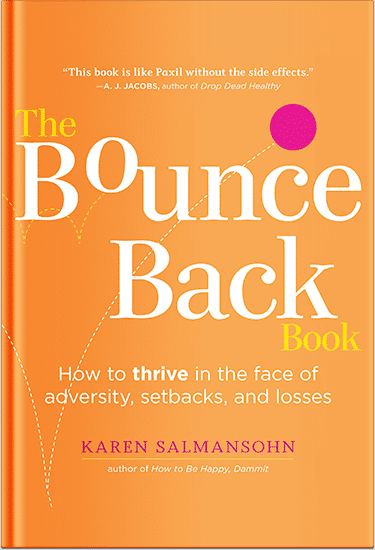
Please go to your inbox and click the confirmation link we just emailed you so you can start to get your free weekly NotSalmon Happiness Tools! Plus, you’ll immediately receive a chunklette of Karen’s bestselling Bounce Back Book!