 Healthy routines often begin with very small choices.
Drinking more water, stepping away from a screen, taking a few slow breaths, or going outside for a short walk may not feel like major lifestyle changes. Yet these simple actions can shape how a person feels throughout the day.
Hydration is one of the most basic wellness habits, but it is also one of the easiest to forget. Busy schedules, long meetings, family responsibilities, travel, and constant notifications can make something as simple as drinking water feel surprisingly inconsistent.
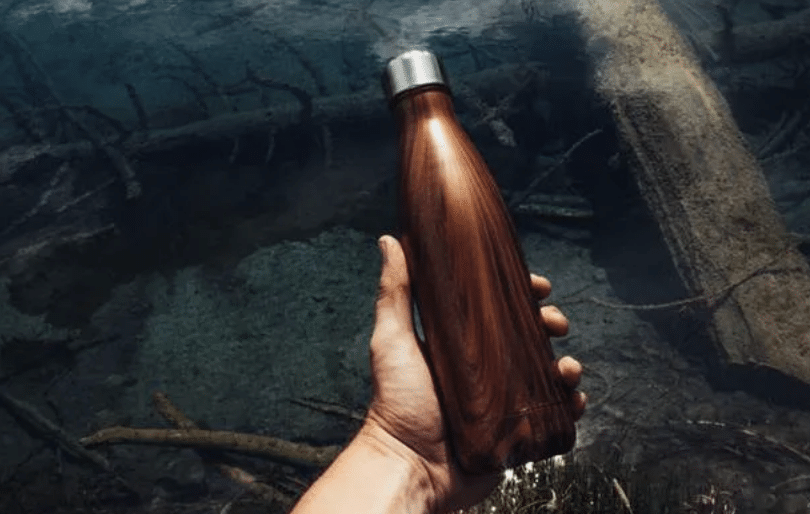
A thoughtfully designed bamboo water bottle can make hydration more visible, personal, and intentional. It is not only a container for water. It can become a practical reminder to pause, take care of yourself, and return to healthier habits throughout the day.
Why Hydration Habits Are Easy to Neglect
Many people start the morning with coffee, check their phones, and move directly into work or family tasks. Hours can pass before they realize they have barely had any water.
The problem is not always a lack of knowledge. Most people understand that hydration matters. The challenge is making it part of a routine that feels natural.
A reusable bottle can help because it keeps water nearby and visible. Instead of relying on memory, the bottle becomes a physical cue.
Each time it appears on a desk, in a bag, or beside a bed, it creates another opportunity to drink.
Turning Hydration Into a Mindful Ritual
Mindfulness does not always require meditation or a perfectly quiet room. It can be practiced through ordinary activities.
Drinking water can become one of those activities.
Instead of quickly taking a sip while reading emails, a person can pause for a few seconds. They can notice how they feel, take a breath, and give their attention to one simple action.
This short pause may help create a sense of transition between tasks.
A mindful hydration ritual might include:
- Drinking water before checking morning notifications
- Taking a few sips before starting a meeting
- Refilling the bottle during a lunch break
- Pausing for water before switching between major tasks
- Keeping the bottle nearby during journaling or meditation
- Drinking water as part of an evening wind-down routine
These habits are simple enough to repeat, which makes them more likely to last.
Why the Design of a Water Bottle Matters
People are more likely to use objects they enjoy keeping close.
A bottle that feels uncomfortable, leaks easily, or looks overly utilitarian may eventually be left in a cupboard. A well-designed bottle can become part of a person’s workspace, travel routine, or personal style.
Bamboo adds warmth to an everyday object. Its natural appearance can feel calmer and less industrial than a typical plastic or metal bottle.
This matters because visual design can influence behavior. An attractive bottle is more likely to remain visible, and a visible bottle is more likely to be used.
The goal is not to turn hydration into another performance metric. It is simply to make a healthy habit easier to remember.
A More Intentional Alternative to Disposable Bottles
Reusable bottles can also support a more conscious relationship with everyday consumption.
Buying disposable water bottles may be convenient, but it creates repeated waste and often makes hydration feel like an occasional purchase rather than a daily habit.
A reusable bottle changes that relationship. It becomes a personal object that is filled, carried, cleaned, and used again.
This small shift can encourage more intentional choices in other areas too. People may become more aware of what they buy, what they reuse, and which objects genuinely support their routines.
Choosing a bamboo water bottle can therefore be part of a broader lifestyle built around hydration, reusable products, and mindful daily habits.
Creating Visual Reminders for Self-Care
One reason simple habits fail is that they remain invisible.
A person may intend to drink more water, stretch during work, or take regular breaks, but those intentions can disappear once the day becomes busy.
Physical objects can make intentions more visible.
A water bottle on a desk can act as a reminder to hydrate. A notebook can encourage reflection. Walking shoes near the door can make movement easier to remember.
The object does not create the habit on its own. It helps reduce the distance between intention and action.
Brands such as Leela Quantum Tech reflect the growing interest in everyday wellness objects that combine practical use with a more intentional approach to personal routines.
Building a Simple Morning Hydration Habit
The morning is a useful time to establish a hydration routine because it creates an early success that can influence the rest of the day.
A simple routine might look like this:
- Fill the bottle the night before.
- Place it somewhere visible.
- Drink some water before coffee or breakfast.
- Refill it before leaving home or starting work.
- Keep it within reach during the morning.
This routine does not require an app, reminder system, or complicated tracking method.
It relies on preparation and visibility.
The easier the habit feels, the more likely it is to become automatic.
Using Hydration as a Break From Screen Time
Many people move from one digital task to another without a real pause. They finish an email, open a document, check a message, and begin another call.
A water break can create a small interruption in that cycle.
Standing up to refill a bottle provides a chance to move, look away from a screen, and reset attention. Even a brief break can make the day feel less continuous and mentally crowded.
This is especially useful for remote workers, students, business owners, and anyone who spends long periods at a desk.
Hydration then becomes more than a physical habit. It becomes part of a healthier work rhythm.
Making the Habit Easier to Maintain
A hydration routine should be flexible rather than perfect.
Missing a refill or forgetting the bottle for a day does not mean the habit has failed. The goal is consistency over time, not flawless performance.
A few practical strategies can help:
Keep the bottle visible
Place it where you naturally spend time, such as a desk, kitchen counter, or bedside table.
Refill it at predictable moments
Connect refilling the bottle to meals, breaks, or transitions between tasks.
Bring it when leaving home
Keep it near keys, a handbag, or another item you always take with you.
Clean it regularly
A bottle is easier to use consistently when it stays fresh and ready.
Choose a design you enjoy
An object that fits your style is more likely to become part of your daily routine.
Mindful Wellness Does Not Need to Be Complicated
Wellness advice can sometimes feel overwhelming. People are encouraged to track sleep, count steps, optimize meals, meditate daily, exercise regularly, and maintain perfect morning and evening routines.
While these practices may be helpful, trying to change everything at once can create more pressure.
A mindful lifestyle can begin with one manageable habit.
Keeping water nearby is simple. Pausing to drink it is simple. Refilling a bottle is simple.
These actions may not look dramatic, but they are realistic. That makes them valuable.
A Small Object With a Practical Purpose
A bamboo water bottle cannot create a balanced lifestyle on its own. It cannot replace nutritious food, rest, movement, or professional health guidance.
What it can do is make one supportive habit easier to remember.
It can become part of a morning ritual, a work routine, a travel kit, or a quiet moment between responsibilities. It can encourage people to slow down briefly and pay attention to something their bodies need.
That practical role is what makes everyday wellness objects useful.
Final Thoughts
Mindful routines are often built through repeated, ordinary choices rather than major transformations.
A bamboo water bottle can support this process by keeping hydration visible and accessible. Its natural design can also bring a sense of warmth and intention to an object used throughout the day.
The bottle itself is only one part of the habit. The real value comes from the pauses, refills, and moments of awareness it helps create.
In a busy life, even a small reminder to stop and drink water can become a meaningful act of self-care.
P.S. Before you zip off to your next Internet pit stop, check out these 2 game changers below - that could dramatically upscale your life.
1. Check Out My Book On Enjoying A Well-Lived Life: It’s called "Your To Die For Life: How to Maximize Joy and Minimize Regret Before Your Time Runs Out." Think of it as your life’s manual to cranking up the volume on joy, meaning, and connection. Learn more here.
2. Life Review Therapy - What if you could get a clear picture of where you are versus where you want to be, and find out exactly why you’re not there yet? That’s what Life Review Therapy is all about.. If you’re serious about transforming your life, let’s talk. Learn more HERE.
Think happier. Think calmer.
Think about subscribing for free weekly tools here.
No SPAM, ever! Read the Privacy Policy for more information.
One last step!
Please go to your inbox and click the confirmation link we just emailed you so you can start to get your free weekly NotSalmon Happiness Tools! Plus, you’ll immediately receive a chunklette of Karen’s bestselling Bounce Back Book!