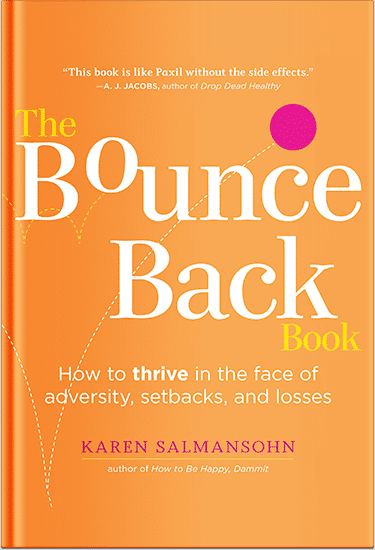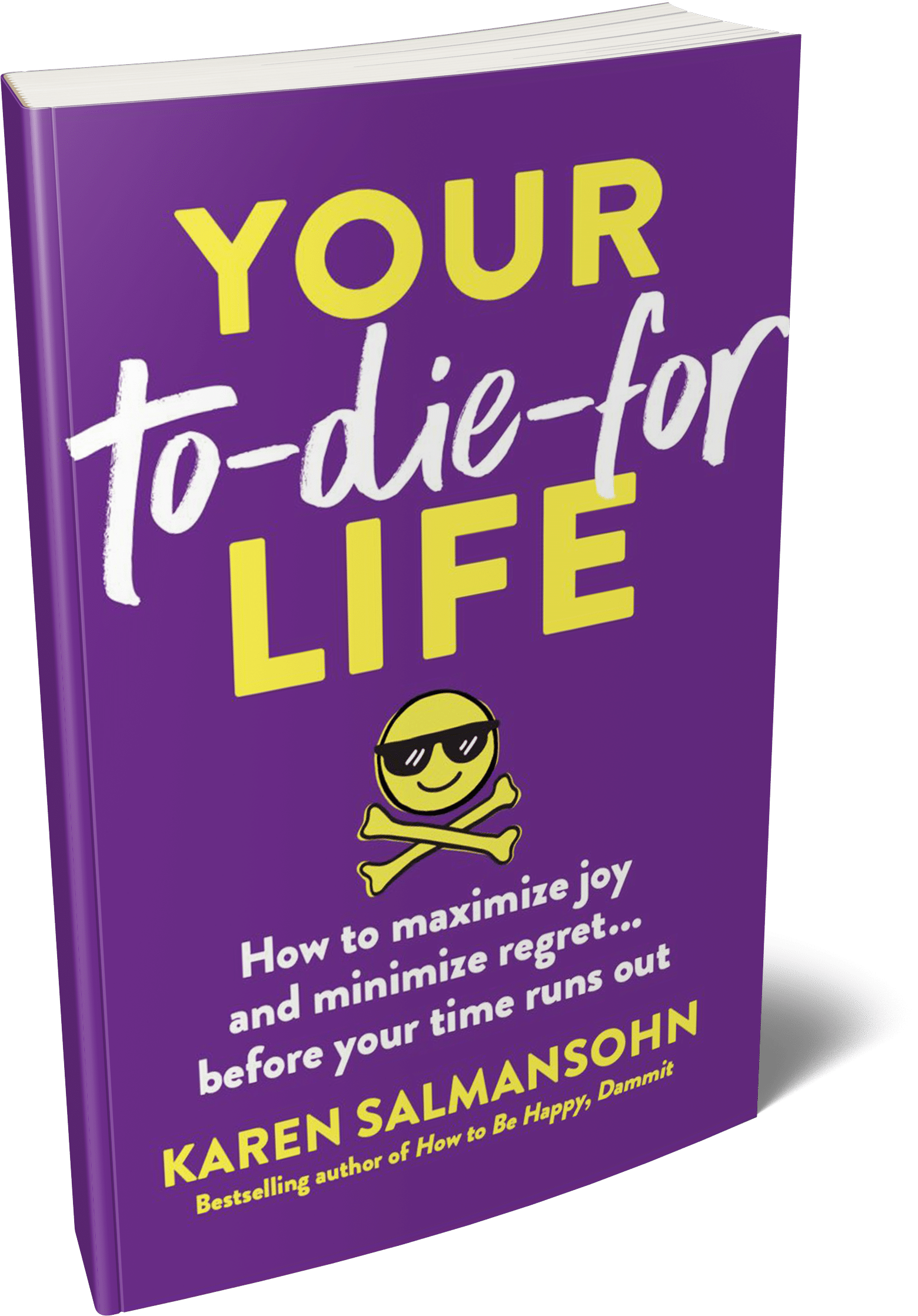

Get A Sneak Peek at my book “Your To-Die-For Life”!
Get a FREE sneak peek! Learn how to use Mortality Awareness as a wake up call to live more boldly.


 Discover how hobbies lower stress, improve mood, support focus, and fit into a busy routine with practical, science-backed daily ideas.
Hobbies act as a natural stress reliever because they give the mind a healthy break from pressure, deadlines, screens, and daily responsibilities. In a busy world where many people move from work to errands to digital noise without a real pause, a hobby creates a protected space for enjoyment, focus, and emotional recovery.
Hobbies help the brain slow down by shifting attention away from worry and into an activity that feels meaningful or enjoyable. Research on enjoyable leisure activities links them with better psychological and physical well-being, partly because they give people a restorative break from stress.
This break matters because stress often grows when the mind keeps repeating the same concerns. Cooking, painting, walking, gardening, reading, learning music, or building something with your hands interrupts that cycle. The activity does not need to be impressive; it only needs to absorb your attention enough to create mental distance.
Stress relief through hobbies works through several simple mechanisms: attention, pleasure, movement, mastery, and connection. When you focus on a task, your brain has less room for anxious thinking. When the activity is enjoyable, it can improve mood. When you repeat it over time, progress creates confidence and a sense of control.
Physical hobbies are especially useful because movement has immediate mental health benefits. The CDC states that a single session of moderate-to-vigorous physical activity can reduce feelings of anxiety, improve sleep quality, and lower blood pressure. Walking, cycling, dancing, swimming, yoga, and casual sports can all become stress-relieving hobbies when done regularly.
Creative hobbies support emotional release because they allow feelings to come out in a safe and structured way. Drawing, writing, photography, pottery, music, sewing, and crafts help people express thoughts that may be difficult to explain in conversation.
Creative work also gives the mind a visible result. A finished sketch, a repaired item, a short song, or a handmade gift can create satisfaction. That sense of completion is powerful in a life where many responsibilities feel endless.
Mindful hobbies build calm by keeping attention in the present moment. Gardening, knitting, journaling, slow cooking, fishing, birdwatching, meditation, and gentle stretching can all train patience and awareness.
Mindfulness practices have been studied for stress, anxiety, depression, sleep, and general quality of life. The National Center for Complementary and Integrative Health notes that meditation and mindfulness may help people manage stress and anxiety, while also cautioning that research quality varies by study and method. This means mindful hobbies are helpful for many people, but they should support—not replace—professional care when stress becomes overwhelming.
Social hobbies reduce isolation because they connect people through shared interest rather than forced conversation. Book clubs, walking groups, dance classes, sports teams, language exchanges, volunteering, gaming groups, and community workshops can make friendship easier.
The American Heart Association recommends maintaining social connections, exercising regularly, practicing relaxation techniques, and finding a stimulating hobby as practical ways to manage stress. This is important because stress often feels heavier when someone carries it alone.
Digital hobbies need healthy boundaries because screens can either relax the mind or overstimulate it. Learning design, editing videos, playing strategy games, taking online courses, or joining creative communities can be positive when time and emotions stay under control.
Adult entertainment or money-based digital activities, including live baccarat online, should not be used as a primary stress-management tool. A healthy hobby should leave you calmer, clearer, and in control; if an activity creates financial pressure, secrecy, guilt, or compulsive behavior, it is no longer functioning as stress relief.
Choosing the right hobby starts with your energy level, schedule, budget, and personality. A tired person may benefit from reading, stretching, puzzles, or music. A restless person may need running, dancing, hiking, or martial arts. A lonely person may benefit from group classes or volunteering. A mentally overloaded person may enjoy repetitive hands-on activities like gardening, baking, or woodworking.
Wildz online slots or other chance-based online games may appear entertaining to some adults, but they should be approached with strict limits and never treated as an emotional escape. The best stress-relieving hobbies are sustainable, affordable, safe, and easy to stop without negative consequences.
Hobbies fit into a busy routine when they are made small and realistic. Ten minutes of reading, fifteen minutes of walking, one recipe per week, one sketch before bed, or one weekend class per month is enough to begin. The goal is not to add another obligation; the goal is to create a repeatable moment of recovery.
A useful method is to attach the hobby to an existing habit. Stretch after brushing your teeth, listen to music while cooking, journal after lunch, walk after work, or read before sleep. This makes the hobby easier to maintain because it becomes part of daily rhythm instead of another task to remember.
A hobby is working when it leaves you feeling lighter, more grounded, or more capable. You may notice better mood, improved patience, deeper sleep, more creativity, or less urge to scroll endlessly. You may also feel proud because you are doing something for yourself without needing outside approval.
A hobby should not create pressure to perform perfectly. Stress relief comes from participation, not perfection. The most helpful hobby is the one you can return to often, enjoy honestly, and use as a healthy pause from the demands of modern life.
P.S. Before you zip off to your next Internet pit stop, check out these 2 game changers below - that could dramatically upscale your life.
1. Check Out My Book On Enjoying A Well-Lived Life: It’s called "Your To Die For Life: How to Maximize Joy and Minimize Regret Before Your Time Runs Out." Think of it as your life’s manual to cranking up the volume on joy, meaning, and connection. Learn more here.
2. Life Review Therapy - What if you could get a clear picture of where you are versus where you want to be, and find out exactly why you’re not there yet? That’s what Life Review Therapy is all about.. If you’re serious about transforming your life, let’s talk. Learn more HERE.
Think about subscribing for free weekly tools here.
No SPAM, ever! Read the Privacy Policy for more information.