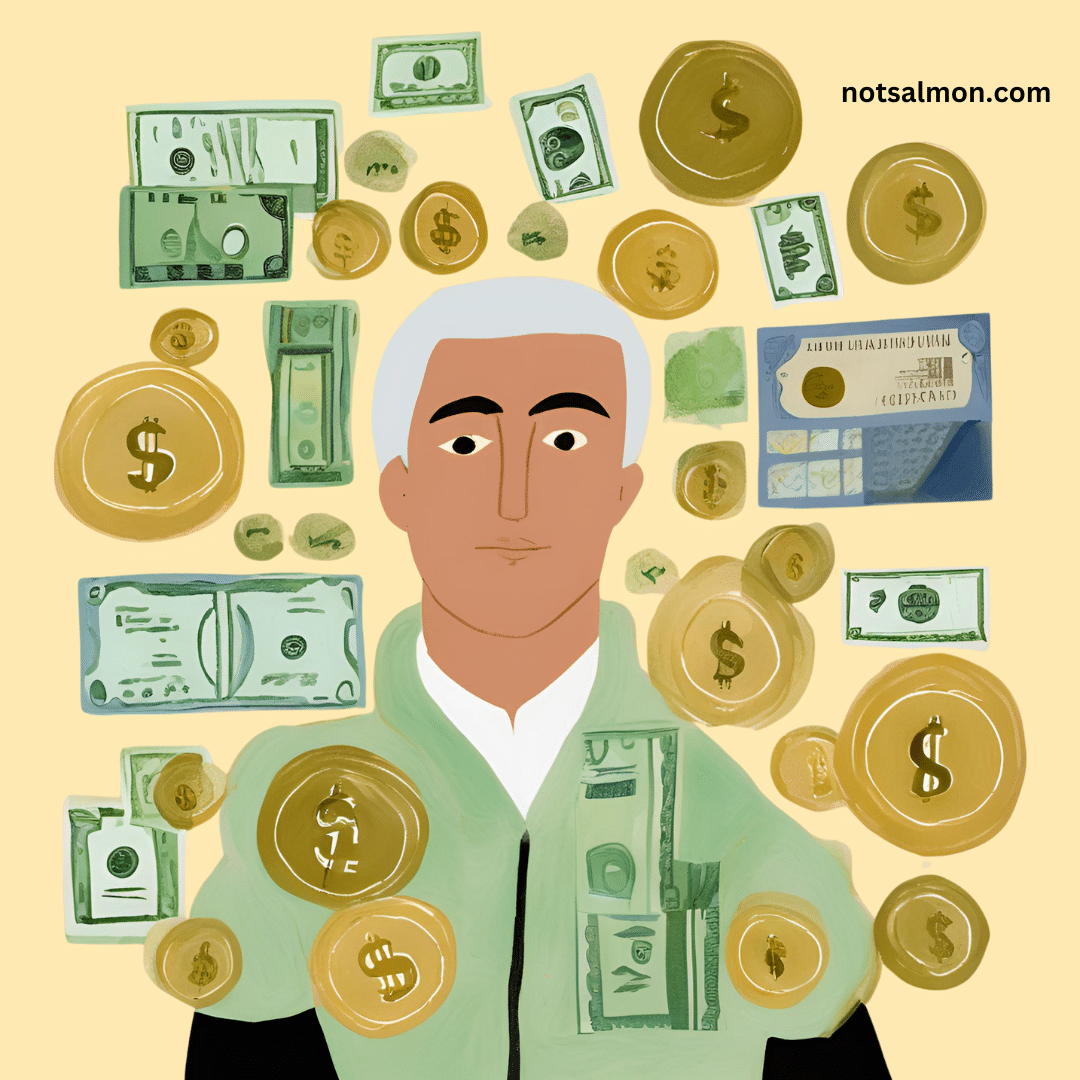
 We often talk about personal finance as if it’s a series of massive, life-altering decisions. We focus on the big house purchase, the career pivot, or the aggressive retirement plan. While those milestones matter, they aren’t actually where our relationship with money is built.
That relationship is forged in the tiny, quiet moments of our daily lives.
It’s found in the micro skills with money that we practice when no one is watching. Most people struggle with their finances, not because they lack intelligence, but because they haven’t mastered the small behaviors that make the system run smoothly. So, if you want to change how you feel about your bank account, you have to change how you interact with it on a granular level. These micro skills are the bridge between knowing what to do and actually doing it.
But where do we actually start when the big picture feels overwhelming?
The Skill of Immediate Execution
One of the most underrated skills in financial health is the ability to handle a task the moment it arises. Procrastination is a quiet tax on your mental energy. When you let a bill sit on the counter or ignore an uncashed check in your wallet, you’re creating a form of financial clutter that weighs you down.
Mastering the quick win is essential. For example, instead of letting a physical check gather dust in your drawer, you can handle it in seconds by using SoFi to deposit a check by phone. This kind of immediate action prevents the task from becoming a mental burden.
And that’s the real secret.
When you shrink the gap between receiving money and moving it into your account, you reinforce the idea that your finances are organized and under control. Have you ever noticed how much lighter you feel after clearing just one small thing off your to-do list?
Cultivating Categorical Awareness
We’re often told to track every penny, but that can lead to burnout. A more sustainable micro skill is categorical awareness. This is the habit of knowing, generally, which bucket a purchase falls into before you even swipe your card.
Is this a need, a want, or an investment in your future self?
When you develop the instinct to categorize your spending in real time, you stop being surprised by your statement at the end of the month. You start to see patterns. You might realize that your morning coffee isn’t just a drink, it’s a ritual of comfort. Once you name the behavior, you can decide if the cost matches the value it brings to your life.
But what if the value is just a momentary distraction?
The Art of the Pause
In a world designed for one-click purchases, the pause is a revolutionary act. This micro skill involves creating a mandatory buffer between the impulse to buy and the completion of the transaction. For some, this is a twenty-four-hour rule for online shopping. For others, it’s simply taking three deep breaths before hitting the checkout button.
This pause allows your logical brain to catch up with your emotional impulses. It gives you the space to ask if this purchase aligns with your actual goals. Most of the time, the need for the item evaporates once the initial dopamine hit of the discovery fades away.
Developing a Positive Check-In Ritual
Many people only look at their bank accounts when they’re worried or when they know they’ve spent too much. This creates a negative feedback loop where looking at money equals feeling stress.
So, how do we break that cycle?
To transform your relationship with money, you must learn the skill of the neutral check-in. This means looking at your balances when things are fine. Spend two minutes a day just observing the numbers without judgment. This habit desensitizes the fear response often associated with personal finance. Over time, your accounts stop being a source of anxiety and start being a simple tool for living your life.
Intentional Friction
We spend a lot of time trying to make life more convenient, but when it comes to money, a little friction is actually a good thing. A powerful micro skill is the intentional creation of hurdles for your bad financial habits.
This might mean deleting your saved credit card information from your favorite retail websites. It might mean keeping your savings in an account that takes a day or two to transfer to your checking.
Convenience is the enemy of intentionality.
By making it just a little bit harder to spend impulsively, you give yourself the opportunity to make better choices. Is it really worth the extra effort to re-enter all those card details for something you don’t truly need?
The Nuance of Forgiveness
Perhaps the most important micro skill is the ability to forgive yourself for a financial misstep. We all overspend sometimes. We all miss a deadline or make a poor investment choice.
And that is okay.
The difference between those who recover and those who spiral is the speed of their self-forgiveness. Shame is a paralyzing emotion. It makes you want to hide, which leads to more avoided bills and more ignored statements. When you learn to view a mistake as a data point rather than a character flaw, you can pivot quickly and get back on track.
Final Thoughts
Transforming your relationship with money doesn’t require a degree in economics. It requires a commitment to the small things. It’s about how you deposit that check, how you pause before a purchase, and how you speak to yourself when you mess up. These micro skills stack up over time, creating a foundation of confidence and clarity that no market fluctuation can take away.
P.S. Before you zip off to your next Internet pit stop, check out these 2 game changers below - that could dramatically upscale your life.
1. Check Out My Book On Enjoying A Well-Lived Life: It’s called "Your To Die For Life: How to Maximize Joy and Minimize Regret Before Your Time Runs Out." Think of it as your life’s manual to cranking up the volume on joy, meaning, and connection. Learn more here.
2. Life Review Therapy - What if you could get a clear picture of where you are versus where you want to be, and find out exactly why you’re not there yet? That’s what Life Review Therapy is all about.. If you’re serious about transforming your life, let’s talk. Learn more HERE.
Think happier. Think calmer.
Think about subscribing for free weekly tools here.
No SPAM, ever! Read the Privacy Policy for more information.
One last step!
Please go to your inbox and click the confirmation link we just emailed you so you can start to get your free weekly NotSalmon Happiness Tools! Plus, you’ll immediately receive a chunklette of Karen’s bestselling Bounce Back Book!


