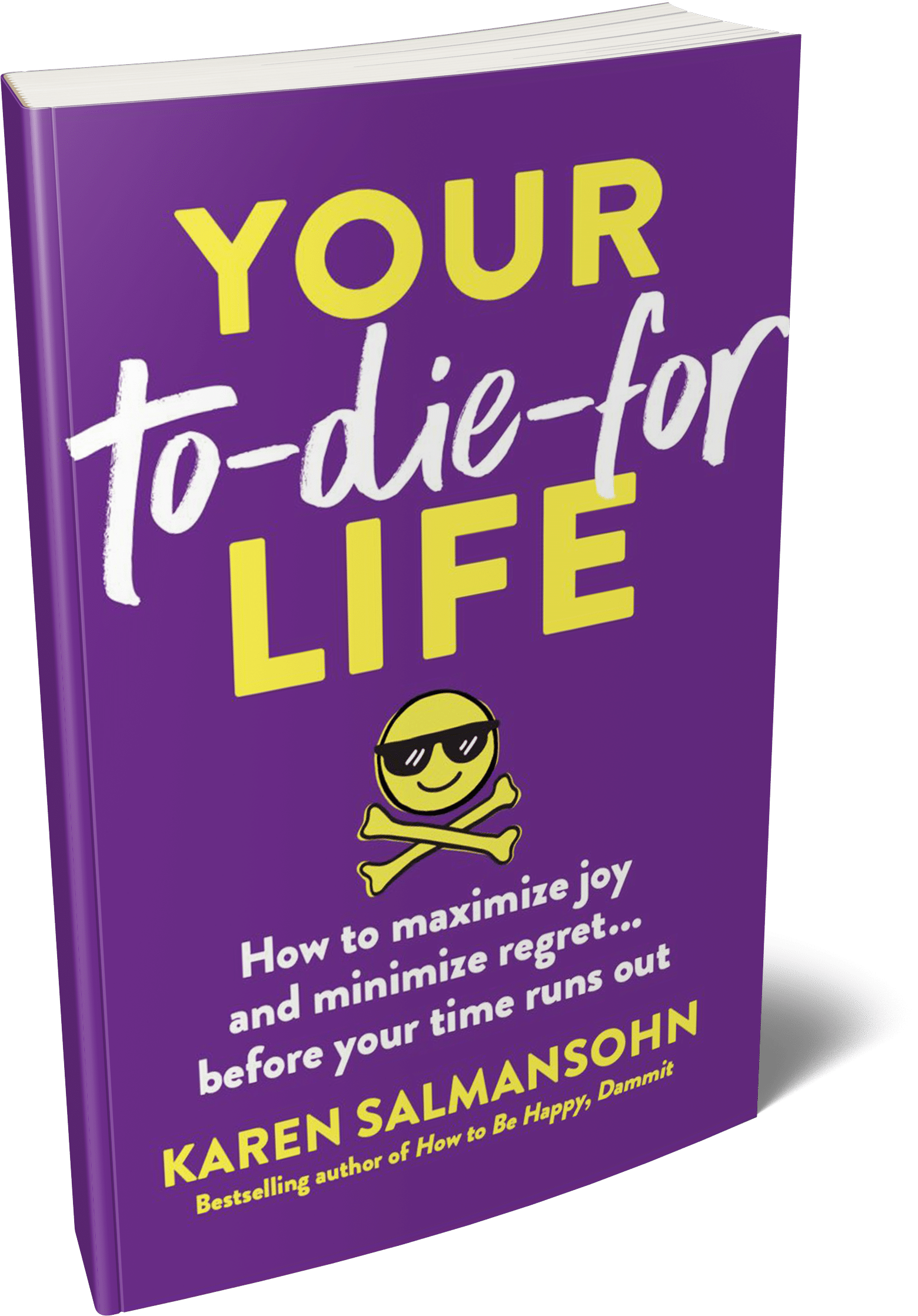

Get A Sneak Peek at my book “Your To-Die-For Life”!
Get a FREE sneak peek! Learn how to use Mortality Awareness as a wake up call to live more boldly.


 Deciding where to live in later life is one of the biggest choices many people face. For decades, staying at home has been the default. It’s familiar, comfortable, and filled with memories. But today, a growing number of retirees are choosing retirement villages instead — not out of necessity, but because they offer a different, often richer way of living.
The question isn’t just about housing. It’s about lifestyle, support, social connection, independence, and peace of mind. What matters most? And what will make your days feel good? What will help you stay active, engaged, and connected?
In this article, we explore the real differences between staying at home and moving into a retirement community. We’ll look at practical factors, emotional considerations, and quality-of-life impacts that matter most in retirement.
Staying at home allows retirees to continue their lives exactly as they have been. Familiar routines, known neighbours, and personal spaces bring comfort. For some people, this sense of continuity is deeply reassuring and hard to replace.
However, daily life at home often comes with responsibilities that don’t disappear with age. Cooking, cleaning, home maintenance, gardening, and managing repairs can slowly start to feel tiring rather than fulfilling. What once felt manageable may begin to take up more energy than expected.
Retirement villages, on the other hand, are designed to simplify daily life. In well-designed settings, luxury retirement homes are built with comfort, accessibility, and lifestyle in mind. This gives residents more time and energy to focus on things they actually enjoy—whether that’s hobbies, socialising, travel, or simply relaxing.
All in all, the biggest lifestyle difference is this: staying at home keeps life the same, while retirement villages are designed to make daily living easier and more enjoyable.
A common concern among retirees is the fear of losing independence. Staying at home often feels like the most independent option—you’re fully in control of your space, schedule, and decisions. But independence at home also means handling everything alone. If something breaks, you arrange repairs. If you need help, you organise it yourself. As needs change, this can become stressful rather than empowering.
Retirement villages approach independence differently. Residents live in their own private homes, but support is available when needed. This might include help with maintenance, access to staff, or future care options. Nothing is forced, but assistance is there if life becomes more demanding.
Many retirees find that this balance actually protects their independence. Knowing support exists allows them to live confidently without worrying about “what if” scenarios.
Social life often changes after retirement. Without work, daily interaction can quickly decrease. Staying at home means socialising depends largely on family, friends, or planned outings. If loved ones live far away, loneliness can slowly creep in.
Retirement villages are built around a community. Shared spaces, group activities, and casual interactions make social connections part of everyday life. You don’t have to go looking for company—it naturally exists around you.
Importantly, residents are never pressured to be social. Privacy is respected. But opportunities for connection are always there, whether it’s a coffee with neighbours or organised events. For many people, this sense of belonging becomes one of the most valuable parts of retirement village living.
Safety is not always the first thing retirees think about, but it becomes increasingly important over time. Staying at home means managing safety yourself—installing adaptations, relying on neighbours, or organising emergency plans.
Retirement villages are designed with safety in mind. Features like accessible layouts, on-site staff, and emergency systems provide reassurance without removing privacy. Knowing help is nearby offers peace of mind to both residents and their families.
This doesn’t mean giving up freedom. It simply means living in an environment that quietly supports wellbeing and prepares for future needs. For many retirees, that peace of mind is a major deciding factor.
Retirement Villages vs Staying at Home: A Quick Comparison
|
Aspect |
Staying at Home |
Retirement Villages |
|
Daily Responsibilities |
All tasks handled personally |
Maintenance and support are often included |
|
Independence |
Full independence, full responsibility |
Independent living with optional support |
|
Social Life |
Requires effort and planning |
Built-in community and activities |
|
Safety |
Self-managed safety measures |
Designed with safety and support in mind |
|
Lifestyle |
Familiar but may become demanding |
Simplified, social, and purpose-built |
Choosing between staying at home and moving into a retirement village is deeply personal. There is no right or wrong answer—only what feels right for you. Some people value familiarity above all else. Others prioritise ease, connection, and peace of mind.
What matters most is choosing a living situation that supports your independence, wellbeing, and happiness—not just today, but in the years ahead.
P.S. Before you zip off to your next Internet pit stop, check out these 2 game changers below - that could dramatically upscale your life.
1. Check Out My Book On Enjoying A Well-Lived Life: It’s called "Your To Die For Life: How to Maximize Joy and Minimize Regret Before Your Time Runs Out." Think of it as your life’s manual to cranking up the volume on joy, meaning, and connection. Learn more here.
2. Life Review Therapy - What if you could get a clear picture of where you are versus where you want to be, and find out exactly why you’re not there yet? That’s what Life Review Therapy is all about.. If you’re serious about transforming your life, let’s talk. Learn more HERE.
Think about subscribing for free weekly tools here.
No SPAM, ever! Read the Privacy Policy for more information.
