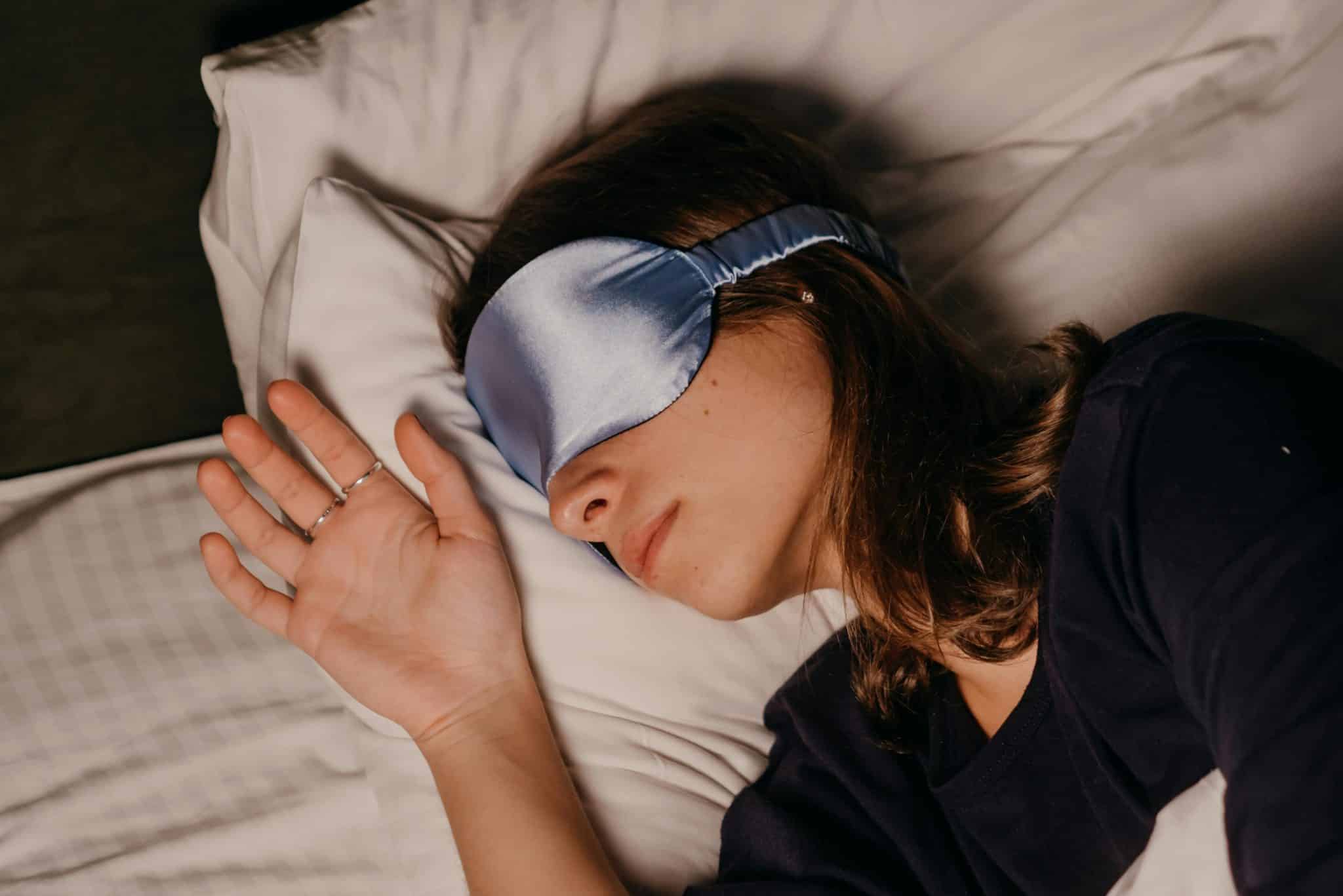
 You’re exhausted, yet sleep feels impossible. Racing thoughts, tense muscles, and that wired but tired feeling have become your nightly companions. Chronic stress does not just ruin your days; it also destroys your nights, creating a vicious cycle that leaves you running on empty. What if the solution were as simple as embracing the cold? Ice baths might be the reset button your body desperately needs.
The Science Behind Cold Water and Stress Relief
When you step into cold water, something remarkable happens in your body. That initial shock is not just uncomfortable. It triggers a cascade of physiological responses that can fundamentally change how your nervous system handles stress.
Cold exposure can have powerful effects on your brain chemistry. A landmark study published in the European Journal of Applied Physiology found that immersion in cold water at 14°C (57°F) increased dopamine concentrations by 250% and norepinephrine by a staggering 530%. These are not minor fluctuations, but significant neurochemical shifts that can last for hours after you have dried off. Dopamine, often called the “feel-good” neurotransmitter, plays a crucial role in mood regulation, motivation, and focus. Norepinephrine contributes to alertness, energy, and emotional balance.
How Ice Baths Activate Your Relaxation Response
While that initial plunge triggers an acute stress response, what happens afterward is what makes cold therapy so valuable for stress management. The vagus nerve—the longest nerve in your body—runs from your brain stem through your neck and into your abdomen, controlling your parasympathetic nervous system.
This is your “rest and digest” system, the opposite of the fight-or-flight response that keeps so many of us stuck in chronic stress mode. Cold water immersion stimulates the vagus nerve, increasing what scientists call “vagal tone.” Higher vagal tone is associated with better stress resilience, improved emotional regulation, and a calmer baseline state. If you’re exploring ways to relieve stress and anxiety, cold therapy offers a powerful addition to your wellness toolkit. It can help you feel more balanced day to day.
Cold therapy is becoming a popular tool for improving health and well-being. For anyone serious about incorporating cold therapy into their wellness routine, investing in quality equipment, such as the products offered by Polar Recovery, can make the practice more accessible and consistent, which is key to experiencing these benefits over the long term. Using the right equipment also makes sessions safer and more comfortable.
How Ice Baths Improve Sleep Quality
Your body’s core temperature naturally drops as you prepare for sleep. This decrease is one of the key signals that tells your brain it is time to wind down. For people whose temperature regulation is disrupted by stress, poor sleep habits, or other factors, falling asleep can feel nearly impossible.
Cold water immersion can jumpstart this natural cooling process. When you plunge into cold water, your core temperature drops rapidly. As you warm back up afterward, your body releases melatonin, the hormone that regulates your sleep-wake cycle.
This mimics and amplifies the natural temperature drop that should happen before sleep. Research on brain connectivity following cold exposure, published in the journal Biology, found that participants felt more alert and positive after cold immersion, with brain changes associated with improved attention control and emotional regulation. These factors contribute to better sleep quality.
Getting enough sleep is one of the most important things you can do for your health. Understanding how and why to get more sleep is essential for overall health. Cold therapy addresses multiple sleep barriers simultaneously: it lowers cortisol, reduces muscle tension, and helps reset your circadian rhythm.
Timing Your Cold Plunge for Better Rest
Here’s where strategy matters. Cold water immersion is stimulating in the short term because your body releases norepinephrine to deal with the cold stress, which increases alertness. If you jump into an ice bath right before bed, you might find yourself too wired to sleep.
Most experts recommend cold plunging one to two hours before your intended bedtime. This allows your body time to go through the initial stimulating phase and then settle into the relaxation response. By the time you are ready to sleep, your core temperature will have dropped, melatonin will be released, and your nervous system will be shifting into parasympathetic mode.
Some people find that morning cold plunges work better for their sleep. The logic is different: by kickstarting your sympathetic nervous system early in the day, you help anchor your circadian rhythm. A clear wake-up signal in the morning can make the wind-down signal at night more effective.
How Cold and How Long?
Effective cold water immersion doesn’t require extreme temperatures or marathon sessions. Water between 10-15°C (50-59°F) is cold enough to trigger beneficial physiological responses without unnecessary risk. For stress and sleep benefits, aim for sessions lasting two to five minutes.
Stanford neuroscientist Andrew Huberman suggests that a total of 11 minutes of deliberate cold exposure per week, spread across two to four sessions, is sufficient to achieve measurable health benefits. The key is finding a temperature that is genuinely uncomfortable but still safe. If you are shivering uncontrollably or feeling numb, it is time to get out. Start gradually with cold showers if you are new to cold therapy and work your way up to full immersion.
Frequently Asked Questions
How quickly will I notice sleep improvements from ice baths?
Most people report noticing changes within the first week of consistent practice. However, research suggests the stress-reduction benefits may take about 12 hours to manifest after each session. Give yourself two to three weeks before evaluating results.
Can cold showers provide the same benefits?
Cold showers can trigger similar physiological responses, though the intensity is typically lower than full immersion. They’re an excellent starting point and remain effective even for experienced cold plungers.
Is it safe to do ice baths every day?
Daily cold exposure is generally safe for healthy individuals. However, two to four sessions per week are sufficient for most stress and sleep benefits. Consult a doctor if you have heart conditions, high blood pressure, or circulation problems.
What should I do after an ice bath to maximize sleep benefits?
Allow your body to warm up naturally rather than jumping into a hot shower. Engage in calming activities like reading, gentle stretching, or meditation to maintain your parasympathetic state as you approach bedtime.
Key Takeaways
- Cold water immersion increases dopamine by 250% and norepinephrine by 530%, creating lasting improvements in mood and stress resilience.
- Ice baths stimulate the vagus nerve, shifting your body from fight-or-flight mode into a calmer parasympathetic state.
- The temperature drop from cold immersion triggers melatonin release and mimics natural pre-sleep cooling.
- Timing matters: plunge one to two hours before bed, or use morning sessions to anchor your circadian rhythm.
- Two to five minutes at 10-15°C, totaling about 11 minutes weekly, is sufficient for benefits.
P.S. Before you zip off to your next Internet pit stop, check out these 2 game changers below - that could dramatically upscale your life.
1. Check Out My Book On Enjoying A Well-Lived Life: It’s called "Your To Die For Life: How to Maximize Joy and Minimize Regret Before Your Time Runs Out." Think of it as your life’s manual to cranking up the volume on joy, meaning, and connection. Learn more here.
2. Life Review Therapy - What if you could get a clear picture of where you are versus where you want to be, and find out exactly why you’re not there yet? That’s what Life Review Therapy is all about.. If you’re serious about transforming your life, let’s talk. Learn more HERE.
Think happier. Think calmer.
Think about subscribing for free weekly tools here.
No SPAM, ever! Read the Privacy Policy for more information.
One last step!
Please go to your inbox and click the confirmation link we just emailed you so you can start to get your free weekly NotSalmon Happiness Tools! Plus, you’ll immediately receive a chunklette of Karen’s bestselling Bounce Back Book!