 Car accidents are among the leading causes of injury worldwide, and their impact extends far beyond physical harm. While broken bones, whiplash, and other visible injuries often receive immediate attention, the psychological aftermath can be just as severe and long-lasting. Survivors may experience anxiety, depression, post-traumatic stress disorder (PTSD), and other mental health struggles that affect both their personal and professional lives.
Understanding the mental health effects of traumatic car accidents is essential for victims, their families, and professionals who support them. Recognizing these challenges is the first step toward recovery and ensuring that emotional well-being receives the same level of care as physical injuries.
Psychological Consequences of Car Accidents
Post-Traumatic Stress Disorder (PTSD)
One of the most common mental health outcomes after a car accident is PTSD. Survivors may relive the incident through flashbacks or nightmares, experience heightened anxiety when driving or riding in vehicles, and struggle with avoidance behaviors. Even seemingly minor accidents can trigger PTSD in some individuals, depending on their prior experiences and resilience.
Anxiety Disorders
Many accident victims develop generalized anxiety or specific phobias. The fear of driving or traveling in a car can limit independence, restrict employment opportunities, and reduce social interaction. In some cases, anxiety escalates into panic attacks triggered by traffic noise, crowded streets, or even simple reminders of the crash.
Depression and Emotional Numbness
Feelings of sadness, hopelessness, and emotional detachment are also common after accidents. Survivors coping with chronic pain, disability, or loss of employment may be at heightened risk of depression. Emotional numbness can further complicate recovery, creating distance from loved ones and diminishing quality of life.
Sleep Disturbances
Insomnia, nightmares, and restless sleep frequently accompany psychological trauma. Poor sleep exacerbates mental health symptoms, leading to irritability, concentration problems, and increased risk of physical health issues such as heart disease or weakened immunity.
Survivor’s Guilt
In accidents involving multiple parties, survivors may struggle with survivor’s guilt, especially if others were injured or killed. This guilt intensifies depressive symptoms and may prevent individuals from seeking help, further prolonging suffering.
The Ripple Effect on Daily Life
Impact on Work and Career
Psychological injuries often disrupt professional life. Survivors may miss work due to anxiety or depression, experience reduced productivity, or struggle to meet deadlines. Employers may notice changes in behavior, such as irritability or withdrawal, that affect teamwork and overall workplace morale. For individuals in roles requiring driving or concentration, symptoms can make continuing in their profession especially difficult.
Strain on Relationships
Emotional difficulties also strain family and social relationships. Survivors may withdraw from loved ones, experience irritability, or struggle with feelings of shame and frustration. Partners and family members often take on caregiving roles, leading to stress and tension within the household. Over time, communication breakdowns may create distance, adding another layer of emotional difficulty.
Financial Pressures
The financial burden of medical bills, therapy, and lost wages compounds the psychological toll. For many, the stress of navigating insurance claims or legal processes exacerbates existing mental health challenges. Working with Chicago car accident attorneys can provide guidance and reduce the burden of handling these legal complexities alone, giving survivors more space to focus on healing.
Lifestyle Adjustments
Survivors may also face limitations in daily routines. Driving may become a source of fear, errands may be avoided, and social engagements may decline. These changes contribute to isolation, which worsens mental health symptoms over time.
Recognizing Signs of Emotional Trauma
Behavioral Indicators
Changes in routine behaviors often signal underlying distress. Increased irritability, withdrawal from social interaction, or avoidance of driving are common red flags. Survivors may also display sudden changes in appetite, work habits, or hobbies.
Physical Symptoms
Psychological trauma can manifest physically. Headaches, digestive problems, muscle tension, and fatigue frequently accompany anxiety and depression. These symptoms are sometimes misattributed to physical injuries, delaying mental health treatment.
Cognitive Changes
Difficulty concentrating, memory lapses, and impaired decision-making are common after trauma. These cognitive changes interfere with everyday responsibilities such as managing finances, caring for children, or returning to work.
When to Seek Help
Persistent or worsening symptoms should never be ignored. When emotional struggles interfere with work, relationships, or daily activities, professional intervention becomes essential for recovery.
Pathways to Recovery
Professional Mental Health Support
Therapists and counselors provide essential support for accident survivors. Cognitive-behavioral therapy (CBT), exposure therapy, and trauma-focused counseling help patients process traumatic experiences, manage symptoms, and rebuild confidence. Early intervention is frequently associated with better outcomes.
Medication and Medical Treatment
In some cases, psychiatrists prescribe medication to manage depression, anxiety, or sleep disorders. Medication combined with therapy often provides the most effective approach for individuals with severe or persistent symptoms.
Social and Family Support
Strong support networks play a critical role in recovery. Family members who listen without judgment, encourage therapy, and assist with daily tasks help survivors regain stability. Social connections also reduce isolation, which can worsen mental health symptoms.
Legal and Financial Guidance
Pursuing compensation for damages can ease financial stress. An experienced car accident lawyer can help victims secure settlements to cover medical expenses, therapy, lost wages, and other damages. Legal assistance not only alleviates financial burdens but also provides a sense of justice, which contributes to emotional healing.
Preventive Strategies for Long-Term Well-Being
Early Intervention
Addressing psychological symptoms early significantly improves recovery outcomes. Survivors should seek evaluation from mental health professionals as soon as distress becomes apparent, even if physical injuries remain the primary focus.
Healthy Lifestyle Habits
Exercise, balanced nutrition, and adequate sleep build resilience against psychological stress. While lifestyle changes cannot erase trauma, they strengthen overall health and support recovery.
Mindfulness and Stress Management
Mindfulness practices, such as meditation and deep breathing, help regulate emotions and reduce anxiety. Stress management techniques equip survivors to handle triggers without becoming overwhelmed.
Gradual Re-Exposure
For individuals struggling with driving anxiety, gradual re-exposure to vehicles under professional guidance can restore confidence. Controlled environments and supportive coaching reduce avoidance behaviors and promote independence.
Peer and Community Support
Support groups allow survivors to share their experiences, gain encouragement, and realize they are not alone. Community-based programs also provide access to resources, from counseling services to educational workshops.
The Broader Social Perspective
Recognizing Invisible Injuries
Society often prioritizes visible injuries, overlooking the profound impact of emotional trauma. Raising awareness about the mental health effects of car accidents reduces stigma and encourages survivors to seek help. Media campaigns, community education, and advocacy by healthcare professionals all play a role in shifting perspectives.
Role of Employers
Employers play an important role in supporting workers after traumatic events. Offering flexible schedules, access to counseling services, and open communication fosters recovery and facilitates reintegration into the workplace. Employers who take these steps often see improved loyalty and long-term productivity from employees.
Community Support Systems
Communities can contribute by providing resources such as support groups, mental health hotlines, and educational programs. These initiatives create safe spaces where survivors can share experiences and find encouragement. Local organizations that collaborate with hospitals and therapists can extend the reach of these resources, ensuring no one feels isolated during recovery.
Policy and Healthcare Systems
Governments and healthcare systems are also increasingly recognizing the importance of addressing psychological trauma. Policies that mandate mental health coverage, encourage trauma-informed care, and support accessible counseling services help create a framework where survivors can heal more effectively.
P.S. Before you zip off to your next Internet pit stop, check out these 2 game changers below - that could dramatically upscale your life.
1. Check Out My Book On Enjoying A Well-Lived Life: It’s called "Your To Die For Life: How to Maximize Joy and Minimize Regret Before Your Time Runs Out." Think of it as your life’s manual to cranking up the volume on joy, meaning, and connection. Learn more here.
2. Life Review Therapy - What if you could get a clear picture of where you are versus where you want to be, and find out exactly why you’re not there yet? That’s what Life Review Therapy is all about.. If you’re serious about transforming your life, let’s talk. Learn more HERE.
Think happier. Think calmer.
Think about subscribing for free weekly tools here.
No SPAM, ever! Read the Privacy Policy for more information.
One last step!
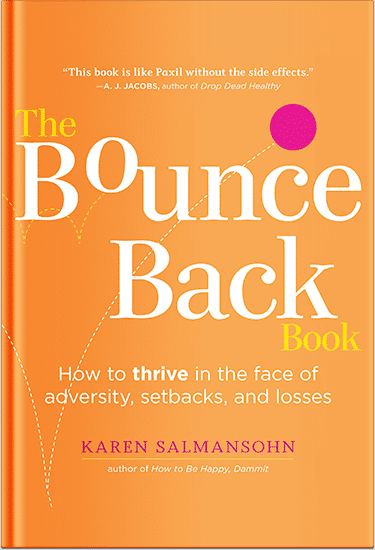
Please go to your inbox and click the confirmation link we just emailed you so you can start to get your free weekly NotSalmon Happiness Tools! Plus, you’ll immediately receive a chunklette of Karen’s bestselling Bounce Back Book!