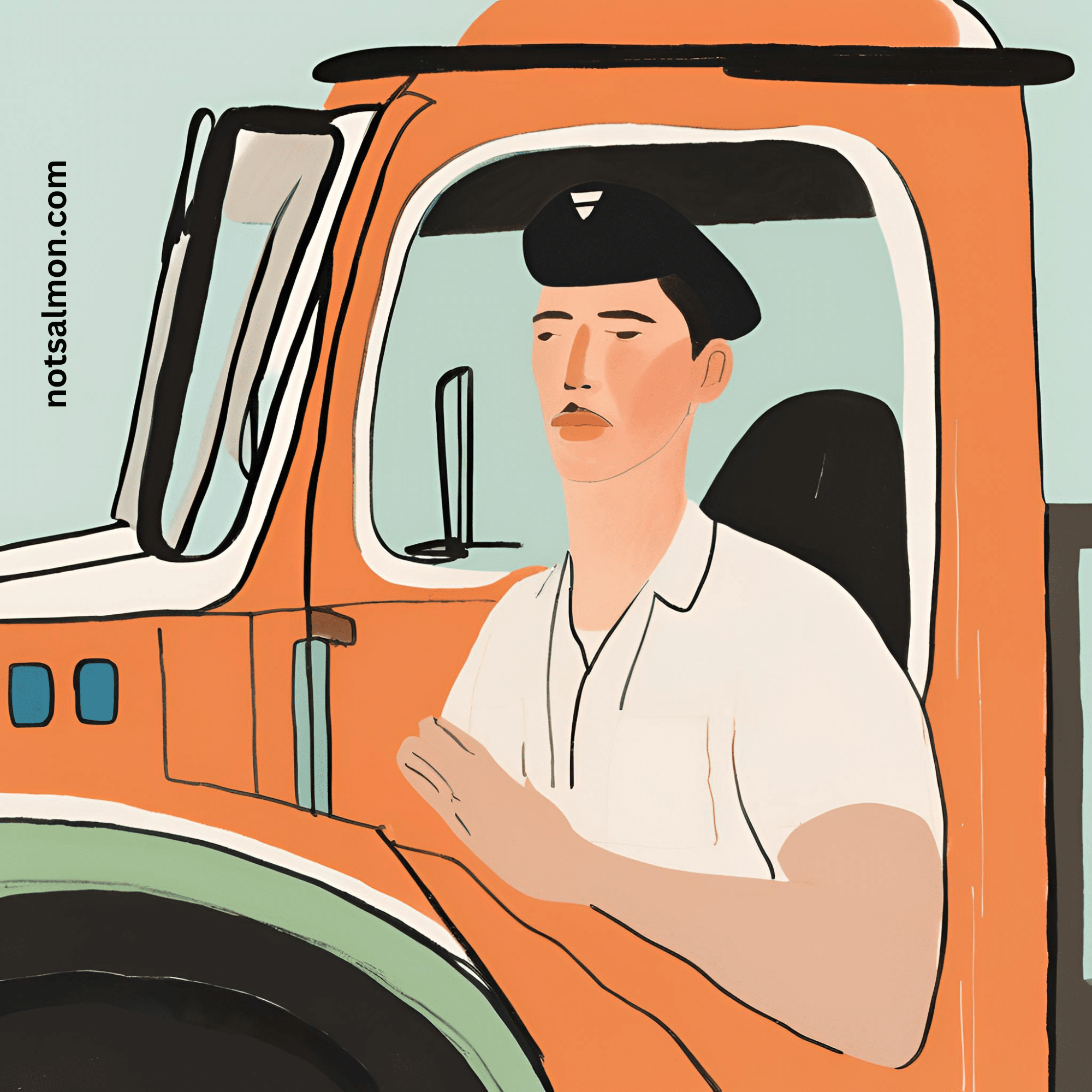
 Pickup truck owners often hear that only a dealership should diagnose or repair their trucks. That belief can turn routine maintenance into an expensive choice. Experienced independent repair shops handle diagnostics, brakes, oil changes, tires, and engine work while owners keep control of their budgets. The real question is which services require specialized equipment and which follow standard repair procedures. The myths below clarify this difference and help you make more informed service decisions.
A dealership is not the only facility with diagnostic equipment. Qualified independent shops can inspect electronic systems, read fault codes, and test charging, braking, and fuel systems. Truck owners should ask which test found the fault, whether the repair needs immediate attention, and whether the warranty requires a particular facility. For Ford service in Knoxville, TN, a written estimate helps compare that diagnosis with an independent shop’s recommendation. That comparison protects the budget without postponing necessary work.
1. Only Dealerships Can Diagnose Modern Pickups
A dealership isn’t the only place with scan equipment. Modern pickup trucks store trouble codes that qualified technicians can read, test, and interpret. Diagnosis requires more than connecting a scanner. Voltage checks, wiring tests, road tests, and service information often identify the failed component. Owners should evaluate the diagnostic process, not the shop’s reputation.
A written diagnosis should explain the symptom, test result, failed part, and recommended repair. If a shop cannot connect those points, another opinion is reasonable. The goal is an accurate diagnosis, whether the truck has a basic gas engine or advanced driver-assistance systems. A second opinion helps when the proposed repair doesn’t match the symptoms or test evidence.
2. Dealer Parts Are Always Necessary
Original-equipment parts meet the specifications established for a vehicle, but not every repair requires them. Quality aftermarket parts fit the application when the supplier lists the correct year, engine, drivetrain, and duty rating. Each estimate should identify the part brand, warranty, and included labor.
Some components deserve closer review. Sensors, ignition parts, brake hardware, and filters affect vehicle operation or safety, so fit and quality matter. Owners can ask why a dealer recommends a particular part and whether an approved alternative affects the warranty. That question creates a measurable comparison. The cheapest part isn’t always economical if it fails early and repeats the labor charge.
3. Warranty Coverage Requires Dealer Service
Routine maintenance does not automatically require dealership labor. Warranty decisions usually depend on proper maintenance, suitable parts, and records showing the work performed. Truck owners should keep invoices, mileage, dates, and part numbers, then follow the maintenance schedule in the owner’s manual.
A warranty concern differs from ordinary wear. If a covered component fails, the owner should ask the warranty administrator which documentation and inspection steps apply before authorizing repairs. A repair shop can document maintenance without claiming that every problem qualifies for coverage. Records also help separate maintenance disputes from failures caused by unrelated damage or neglect.
4. Every Warning Light Needs An Immediate Major Repair
A warning light signals a system condition, not a completed repair order. A check-engine light can result from an emissions fault, ignition problem, loose fuel cap, or sensor issue. The right response is prompt diagnosis, followed by a repair based on test results. Clearing the code without finding its cause removes useful evidence.
Red oil pressure, temperature, or brake warnings require a different response. The owner should stop safely and arrange an inspection instead of continuing to drive. A yellow maintenance reminder usually points to scheduled service, but the owner’s manual provides the correct interval and procedure.
5. A Maintenance Package Saves Money Every Time
Bundled service packages can include useful work, yet each item still needs a clear reason. An oil change, tire inspection, brake check, and fluid review suit many pickup trucks. Extra flushes or replacements depend on mileage, use, and condition. The invoice should separate required maintenance from optional recommendations.
Pickup trucks used for towing, hauling, short trips, or dusty roads face different service demands. Owners should explain how they use the truck, then compare each recommendation with the manual’s schedule. Early service does not prevent every failure, but skipping service can create avoidable repair costs.
Conclusion
Pickup truck owners can control service costs by requesting test results, comparing written estimates, and keeping maintenance records. A dealership remains one repair option, but it does not hold exclusive authority over every diagnosis or routine procedure. Before approving work, the owner should match each recommendation to the symptom, schedule, warranty terms, and truck use. For a Knoxville truck owner, the next step is simple: ask what failed, why it failed, and what evidence supports the repair.
P.S. Before you zip off to your next Internet pit stop, check out these 2 game changers below - that could dramatically upscale your life.
1. Check Out My Book On Enjoying A Well-Lived Life: It’s called "Your To Die For Life: How to Maximize Joy and Minimize Regret Before Your Time Runs Out." Think of it as your life’s manual to cranking up the volume on joy, meaning, and connection. Learn more here.
2. Life Review Therapy - What if you could get a clear picture of where you are versus where you want to be, and find out exactly why you’re not there yet? That’s what Life Review Therapy is all about.. If you’re serious about transforming your life, let’s talk. Learn more HERE.
Think happier. Think calmer.
Think about subscribing for free weekly tools here.
No SPAM, ever! Read the Privacy Policy for more information.
One last step!
Please go to your inbox and click the confirmation link we just emailed you so you can start to get your free weekly NotSalmon Happiness Tools! Plus, you’ll immediately receive a chunklette of Karen’s bestselling Bounce Back Book!